IG4 just took control of Brazil's biggest plastics maker, and Petrobras came with it
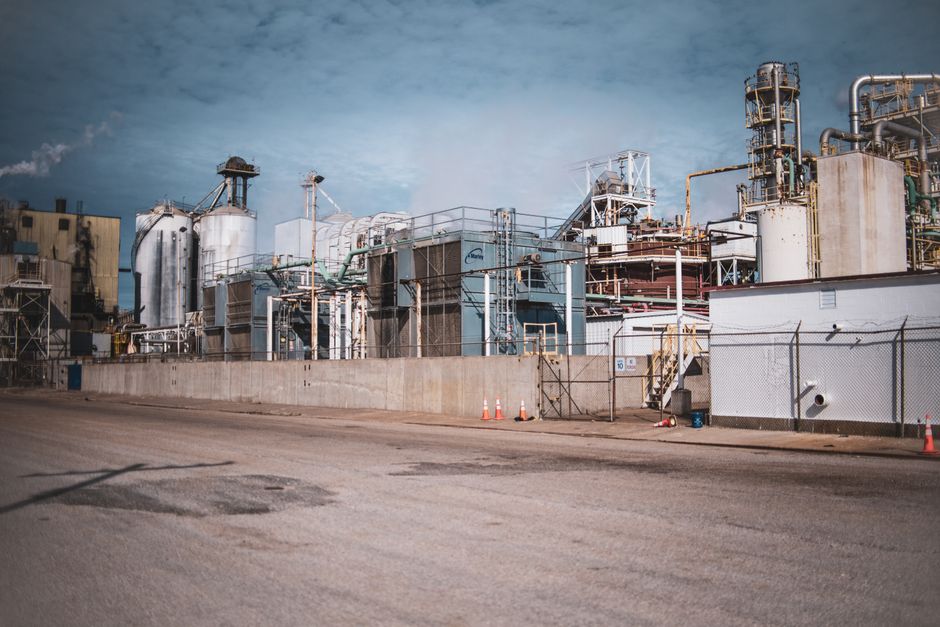
Photo: Brixiv
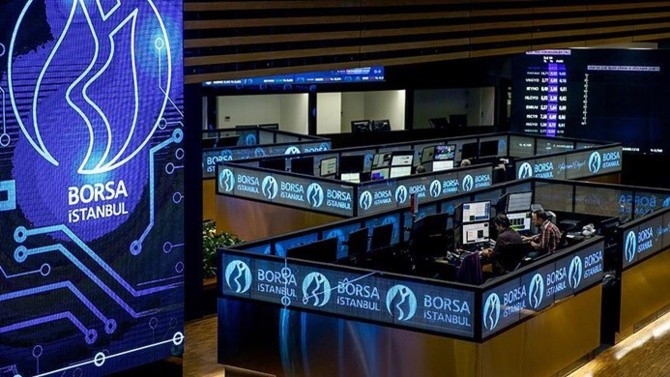
IG4 Capital paid its way into control of Braskem, Brazil's largest petrochemical company, and it didn't come alone. The private equity firm formally became co-controller on Wednesday alongside Petrobras, Brazil's state-run oil giant, completing a deal that was first signed in April and closing a chapter of corporate turbulence that stretches back years.
Under the new structure, IG4, through an investment fund called Shine, holds 50.1% of Braskem's voting shares. Petrobras holds 47%. The previous controlling shareholder, Novonor, formerly known as Odebrecht, keeps a 4% slice of non-voting shares and steps back from the wheel entirely.
How a petrochemical company ended up here
Odebrecht was once one of Latin America's most powerful conglomerates. It collapsed under the weight of Brazil's Lava Jato corruption investigation, which exposed a decade of bribery across the region's construction and energy sectors. Novonor, the renamed remnant, spent years trying to sell its Braskem stake to anyone willing to take it. Multiple deals fell apart. Abu Dhabi's national oil company was in talks at one point. So was LyondellBasell, one of the world's largest plastics producers. Neither went through.
What finally closed the deal was a structure that gave a private equity firm operational control while keeping the Brazilian state's hand on the company through Petrobras. Braskem's new board chair is Petrobras CEO Magda Chambriard, chosen at a previous shareholders meeting. A new board will be elected on June 8.
What Braskem actually does, and why it matters
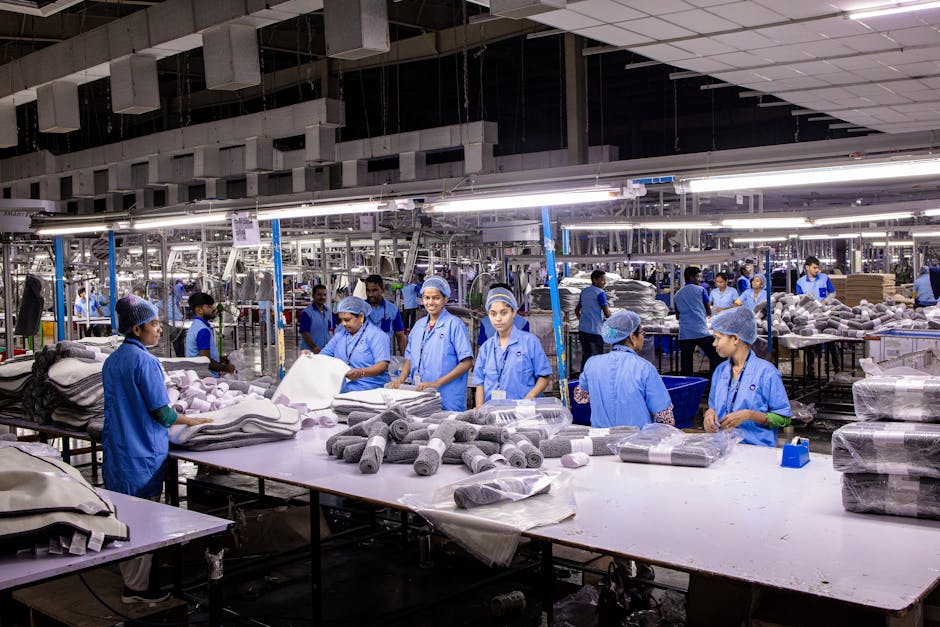
Braskem is the largest petrochemical producer in the Americas by capacity. It makes the basic plastic resins that flow into packaging, pipes, auto parts, and consumer goods across Brazil and beyond. When Braskem's margins tighten, the cost ripples into manufacturing supply chains throughout the region.
The company has been under financial pressure on two fronts. Margins on commodity chemicals have been tight globally, squeezed by oversupply and weaker demand. And Braskem carries specific liabilities tied to salt mining operations in Alagoas, in northeastern Brazil, where underground cavities caused by decades of salt extraction led to ground subsidence, displacing thousands of residents and generating years of legal and remediation costs. Those liabilities have weighed on the company's balance sheet and made potential buyers cautious.
The new co-controllers are inheriting both problems. IG4 is betting it can improve Braskem's operational performance and governance. Petrobras, which supplies much of the feedstock Braskem needs to make its products, has a direct commercial interest in Braskem's stability. The two parties have signed a formal shared controlling agreement that is now in effect.
The bigger bet
This deal is partly a story about Brazil's industrial policy. Keeping Petrobras embedded in Braskem as a near-majority voting shareholder means the Brazilian state retains significant influence over the country's petrochemical sector, even as a private equity firm takes the formal controlling position. That balance is deliberate. Fully privatising Braskem would have been politically difficult given the scale of the Alagoas liabilities and the company's role as a domestic industrial anchor.
Whether IG4 can actually turn Braskem around is an open question. Private equity ownership brings pressure for margin improvement and cleaner governance, both of which Braskem needs. But the Alagoas liabilities aren't going away quickly, and global petrochemical margins are unlikely to recover sharply in the near term. The June 8 shareholders meeting will signal how the new board intends to prioritise those competing demands.
For Brazil's broader industrial base, the more important outcome is simply that the ownership uncertainty is over. Years of Novonor's failed sale attempts left Braskem in strategic limbo. At least now someone is in charge.