Phillips 66 just approved $10 billion to buy back its own stock

Photo: Nothing Ahead
Phillips 66 just handed its shareholders a $10 billion promise, and the timing tells you almost everything about where American refining profits are coming from right now.
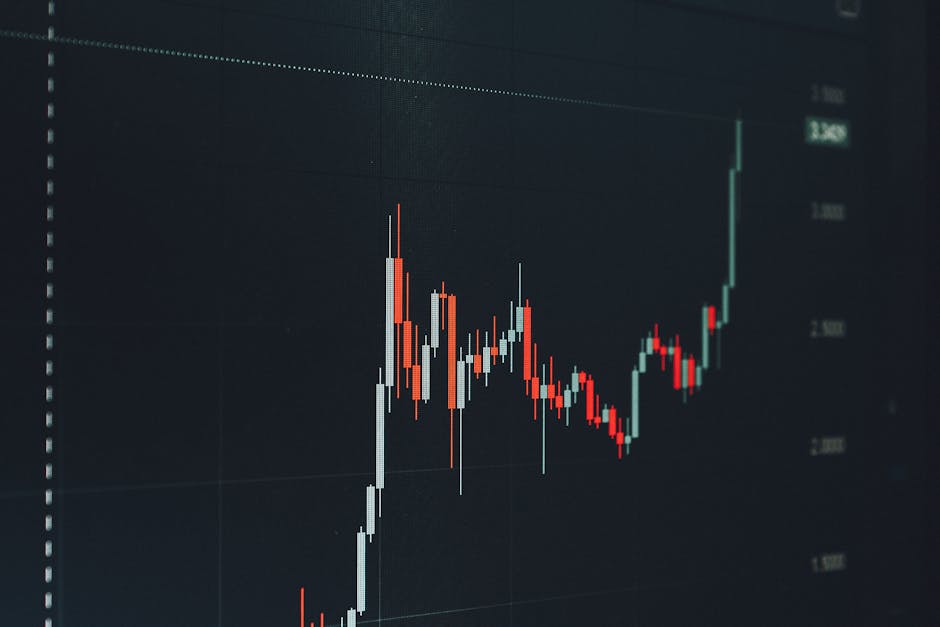
The Houston-based refiner's board approved a $10 billion increase to its share repurchase program on Friday, according to Reuters. The move came after the company said the remaining authorization under its existing program was nearly exhausted, meaning executives had already been spending aggressively to buy back stock before this new round.
CEO Mark Lashier framed it as discipline: "The increased share repurchase authorization supports our commitment to long-term shareholder value, alongside our secure, competitive and growing dividend, disciplined capital investment and continued debt reduction."
What's actually driving the money
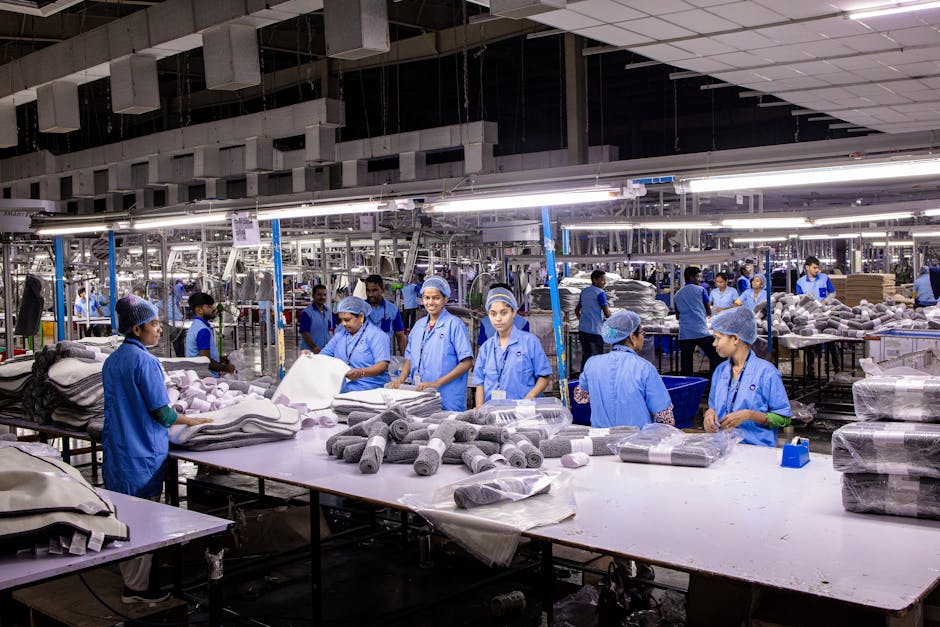
The cash powering this program didn't come from thin air. U.S. refiners have had a strong year because the Iran war tightened global supplies of gasoline and diesel. The conflict raised fears about disruptions to Middle East fuel exports, which pushed up refining margins, the difference between what a refiner pays for crude oil and what it earns selling finished fuel. When that gap widens, refiners profit even if oil prices stay flat.
Phillips 66 is effectively converting those war-driven margins into shareholder returns.
What a buyback actually does
A share repurchase program means the company buys its own stock on the open market, reducing the total number of shares outstanding. Fewer shares mean each remaining share represents a larger slice of the company, so earnings per share rise even if the underlying business doesn't grow. Investors who hold the stock benefit directly. Workers, customers at the pump, and pension funds without energy exposure do not.
For ordinary Americans, the more relevant question is what this says about where refining profits are going. A $10 billion buyback is not a refinery expansion, not a bet on lower fuel prices through new capacity, and not a wage increase. It is a financial engineering move that rewards existing shareholders, which is legal, common, and entirely the point.
The bigger pattern
This is a familiar script in commodity industries. When an external shock, a war, a hurricane, a supply cut, lifts prices and fattens margins, companies face a choice: reinvest in capacity that might lower prices later, or return cash to shareholders now. Most publicly traded companies, under pressure from Wall Street to maximize near-term returns, choose the latter. Phillips 66 is choosing the latter, loudly, to the tune of $10 billion.
That choice has a downstream consequence for consumers. More refining capacity would put downward pressure on fuel margins over time, which could eventually show up at the pump. Buybacks do not. So the Iran war premium baked into fuel prices gets transformed into shareholder wealth rather than structural relief on gasoline costs.
None of this makes Phillips 66 unusual. It makes them typical of how American energy companies have behaved through every price spike of the past two decades. The question worth watching is whether refining margins stay elevated long enough to fund the full $10 billion, or whether a ceasefire, new supply, or a slowdown in fuel demand forces the company to slow the pace of repurchases before the authorization runs dry.
For now, the board has approved the ceiling. How fast they spend toward it will depend on how long the war keeps fuel markets tight.