Air Products just wrote off $2.9 billion on clean energy, and Wall Street cheered
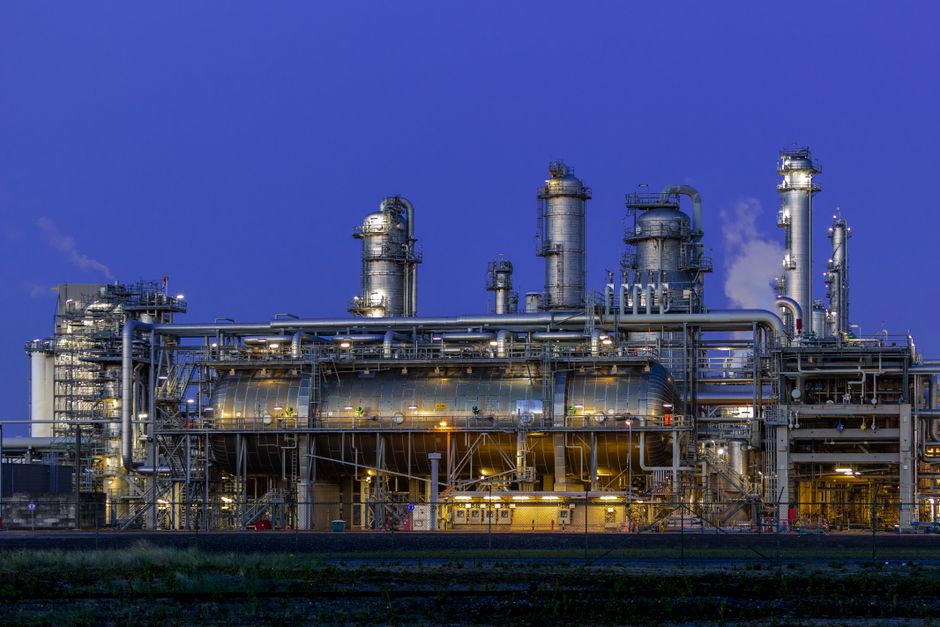
Photo: Igor Passchier
Air Products just walked away from what it had called the world's largest low-carbon energy complex, flagging up to $2.9 billion in charges, and the market responded by sending its stock up 8.6% in a single morning. That reaction tells you almost everything about where clean energy investment stands in America right now.
The project in question was the Louisiana Clean Energy Complex, a facility designed to produce blue ammonia, a form of ammonia made from natural gas with the carbon captured and stored rather than released. Air Products had pitched it to international buyers as a cleaner industrial fuel. On Tuesday, the company said a detailed financial review showed the project's expected returns would not meet its own criteria, and it pulled the plug entirely.
The company also shut down a separate zero-carbon liquid hydrogen facility in Casa Grande, Arizona, along with smaller projects meant to support clean energy distribution more broadly.
What "blue ammonia" actually is, and why it matters
Ammonia is one of the most widely traded chemicals in the world, used in fertiliser, industrial processes, and increasingly proposed as a shipping fuel. "Blue" ammonia is made the same way as conventional ammonia, but with the carbon dioxide emissions captured along the way. It sits in the middle of the clean-energy spectrum, less pure than green hydrogen or green ammonia made from renewable electricity, but lower-carbon than the conventional version.
The bet Air Products was making was that there would be strong international demand, particularly from Asian buyers, willing to pay a premium for lower-carbon industrial inputs. That bet has not paid off. The company cited "challenging commercial conditions," slower-than-expected growth in hydrogen for transport, and project-specific economics as reasons for the exit.
The actual cash cost of walking away will be substantial but smaller than the accounting charge. Air Products said cash expenditures related to the write-off should not exceed $925 million, with the rest being accounting losses on assets and investments that simply did not pan out.
The policy backdrop
The Trump administration's "energy dominance" agenda, built around expanding oil, gas, coal, and nuclear, has made the investment environment for clean energy projects significantly harder. Federal incentives and regulatory tailwinds that existed under the Biden administration have been stripped back or reversed in the past eighteen months. Air Products did not directly blame federal policy in its statement, but the timing and the language about "slower-than-expected development in certain markets" point in that direction.
For ordinary workers and communities, the Louisiana project's collapse means construction jobs and long-term operating roles that were anticipated in the region will not materialise. The Casa Grande facility in Arizona faces the same outcome. Neither Air Products nor Reuters specified exact job numbers in the announcements.
What comes next
Yara International, the Norwegian fertiliser giant that had been in talks to acquire the Louisiana project's ammonia production and distribution assets, confirmed Tuesday it would not proceed with that purchase. Yara said it would redirect its capital toward other U.S. ammonia investment opportunities, suggesting it still sees a market here, just not in this particular project.
Air Products and Yara are also still working on a separate marketing agreement for renewable ammonia from the NEOM Green Hydrogen Project in Saudi Arabia. Analysts at Vertical Research Partners noted the deal has been delayed partly because of the conflict in the Middle East, and said they were "not overly concerned" about that delay.
The investor reaction to a $2.9 billion write-off being treated as good news reflects a broader judgment: that continuing to pour capital into projects with uncertain commercial returns was the bigger risk. Clean energy infrastructure at industrial scale requires long-term buyers willing to commit, supportive policy, and patient capital. Right now, two of those three are in short supply in the United States.