Kroger just paid $1.65 billion for Giant Eagle, and skeptics think the timing is wrong
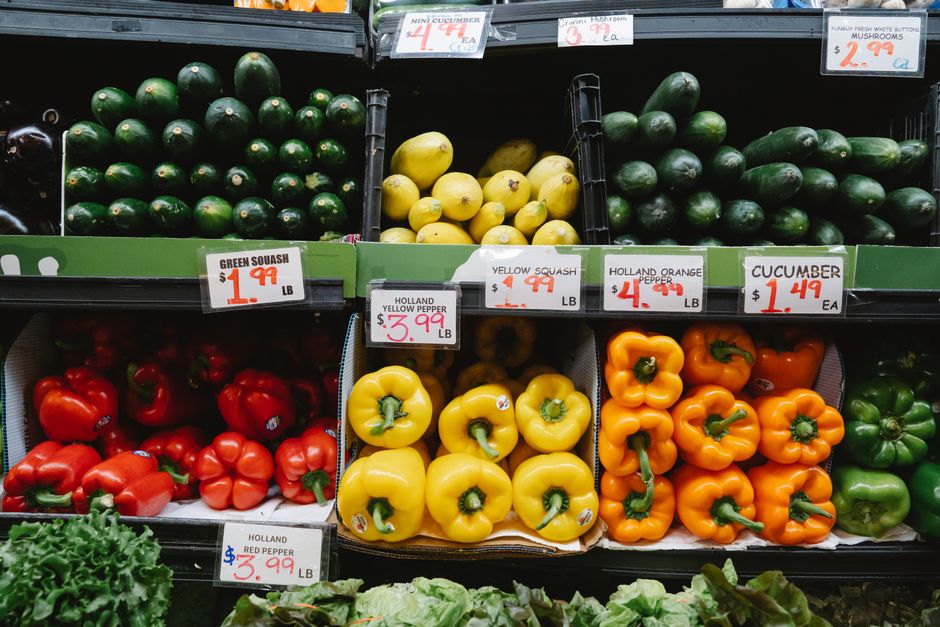
Photo: Greta Hoffman
Kroger just spent $1.65 billion to buy Giant Eagle, a family-owned regional grocery chain, and analysts are already questioning whether a big acquisition is the right move when the company's core business model is under siege.
The deal, announced Wednesday, is Kroger's first major purchase since its attempted $25 billion merger with Albertsons collapsed in 2024. It is also the first major transaction under new CEO Greg Foran. Kroger will pay $1.25 billion in cash and assume roughly $400 million of Giant Eagle's existing debt to take over 197 supermarkets and 11 standalone pharmacies spread across northern Ohio, western Pennsylvania, West Virginia, Maryland, and Indiana. Giant Eagle generates about $9 billion in annual sales.
Kroger's shares fell about 2% in premarket trading after the announcement.
Why Kroger made this move
The logic is geographic. Giant Eagle fills gaps in the Midwest and Mid-Atlantic that Kroger doesn't currently cover well. Foran called the strategic fit "clear," arguing the deal expands the company into "attractive adjacent markets." From a pure map perspective, absorbing nearly 200 stores in one transaction is faster and cheaper than building from scratch.
But the bigger picture is harder to spin. Kroger is under pressure from every direction. Walmart is capturing cost-conscious shoppers with its price and scale advantages. Amazon is chipping away at grocery through delivery and Prime loyalty. Discount chains like Aldi are pulling in customers who have quietly decided that branded supermarkets are no longer worth the premium. And specialty grocers like Trader Joe's are holding the other end, winning shoppers who want something the traditional supermarket format doesn't offer.
Consumer Edge analyst Michael Gunther put it plainly: "This acquisition comes at a challenging time for traditional grocers."
One mild bright spot in Gunther's read: Giant Eagle's customer base skews older, a demographic that tends to be more financially stable and less likely to chase the cheapest option available. That loyalty could hold up better than the average supermarket shopper pool.
What this means in practice
For shoppers in northern Ohio, western Pennsylvania, and the surrounding region, a Kroger acquisition likely means a gradual conversion of Giant Eagle stores into Kroger's system over time, including its loyalty program, private label brands, and pricing structure. Kroger has separately said it plans to cut prices on thousands of items, funded partly through direct imports and better use of technology. Whether those cuts reach former Giant Eagle locations will depend on how quickly the integration moves and how the company balances short-term costs.
The deal is expected to close in 2027. Kroger says it will start contributing to adjusted profit in the second full year after that. If that timeline holds, you're looking at 2029 before shareholders see a clear return on the investment.
In the meantime, Kroger says it will maintain its dividend and its $2 billion share buyback program.
The bigger question
Consolidation among traditional grocers has picked up sharply as the industry tries to generate enough scale to survive a squeeze from both ends: discount challengers below and premium or convenience options above. The Albertsons deal would have been transformative. This one is more modest, but it follows the same logic: get bigger, spread fixed costs, negotiate harder with suppliers.
The risk is that scale doesn't actually solve the problem. If shoppers are leaving traditional supermarkets for structural reasons, buying more traditional supermarkets is a bet that execution and efficiency can win back the ground that format loyalty has already lost. That's a reasonable bet. It's not a guaranteed one.