Martin Marietta just bet $13.5 billion on limestone

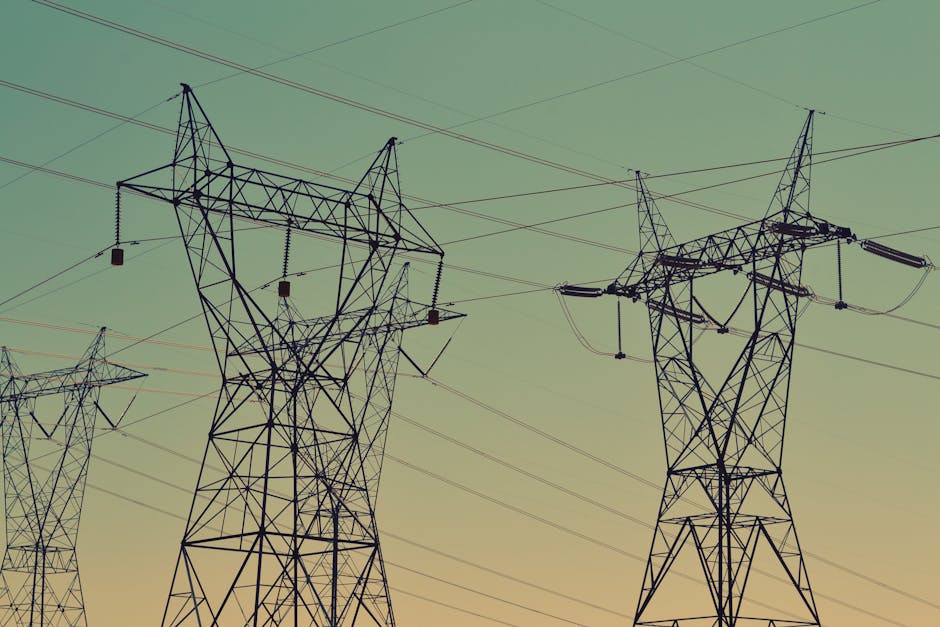
Photo: Volker Braun
Martin Marietta Materials just committed $13.5 billion to buy limestone supplier Lhoist North America, and its own investors reacted by selling the stock. Shares fell about 1.5% in premarket trading Monday after the Wall Street Journal reported the deal, signaling that Wall Street sees this as a stretch, not a sure thing.
The price is significant. Martin Marietta, headquartered in Raleigh, North Carolina, plans to fund the acquisition with $7 billion in cash and $6.5 billion in its own stock. That structure matters because paying in shares dilutes existing shareholders, and it hands Lhoist's controlling Berghmans family a roughly 15% stake in the combined company. They won't just be sellers walking away with a check. They'll be co-owners, which typically signals they believe the combined business is worth more than what they accepted for Lhoist today.
What these two companies actually do
Martin Marietta is one of the largest producers of aggregates in the United States. Aggregates are the crushed stone, gravel, and sand that go into nearly every construction project in the country. Roads, bridges, airport runways, building foundations, the substrate under a parking lot: all of it is built on a base layer of material that Martin Marietta quarries and sells.
Lhoist North America supplies limestone specifically, and its primary customers are industries that need calcium carbonate and lime: steel mills, water treatment plants, and industrial chemical producers. Limestone is also a core ingredient in cement, which means this deal ties two businesses together that both feed into the same construction and infrastructure supply chain.
Together, the combined company would control more of that supply chain at a moment when American infrastructure spending is unusually high. The federal infrastructure law passed in 2021 has been pumping roughly $110 billion annually into roads, bridges, and transit upgrades. Demand for the raw materials that go under and into those projects has followed.
The tension in the price tag
The 1.5% premarket drop reflects a straightforward concern: $13.5 billion is a large number for a materials company to absorb, and a significant portion of it is going out the door in cash. Martin Marietta will almost certainly take on debt to fund the cash portion, which means higher interest payments at a moment when borrowing is still expensive by the standards of the last decade.
The bet embedded in this deal is that infrastructure and construction spending stays elevated long enough to generate the cash flow needed to justify the price. If federal infrastructure funding slows, if housing construction cools further, or if industrial customers pull back, the math gets harder quickly.
There's also a structural dimension worth noting. Limestone and aggregates are not commodities you can easily import at scale. Quarrying is geographically constrained; you need to be near where the rock is, and near where the customer is building. That makes regional market position genuinely durable, which is part of why Martin Marietta is willing to pay a price that makes investors nervous. Scale in this business compounds in ways that don't show up cleanly in a first-look valuation.
The Berghmans family keeping 15% of the combined entity is, in that light, a reasonable read that the combined company's regional quarry footprint is worth owning for the next decade, not just cashing out today.
For ordinary Americans, the direct effect is indirect but real. The companies that build roads, water treatment facilities, and industrial plants buy from businesses like these two. If this combination raises prices on aggregates or lime, those costs filter into construction bids, municipal contracts, and ultimately the taxes and utility rates that fund public infrastructure. That transmission is slow and diffuse, which is why no one headline can trace it cleanly. But the underlying logic is worth keeping in mind: the raw materials layer of the American economy is consolidating, and the people paying for it in the end are the ones who use the infrastructure it produces.