Unilever is circling a $4 billion supplement brand, and your vitamin aisle is next
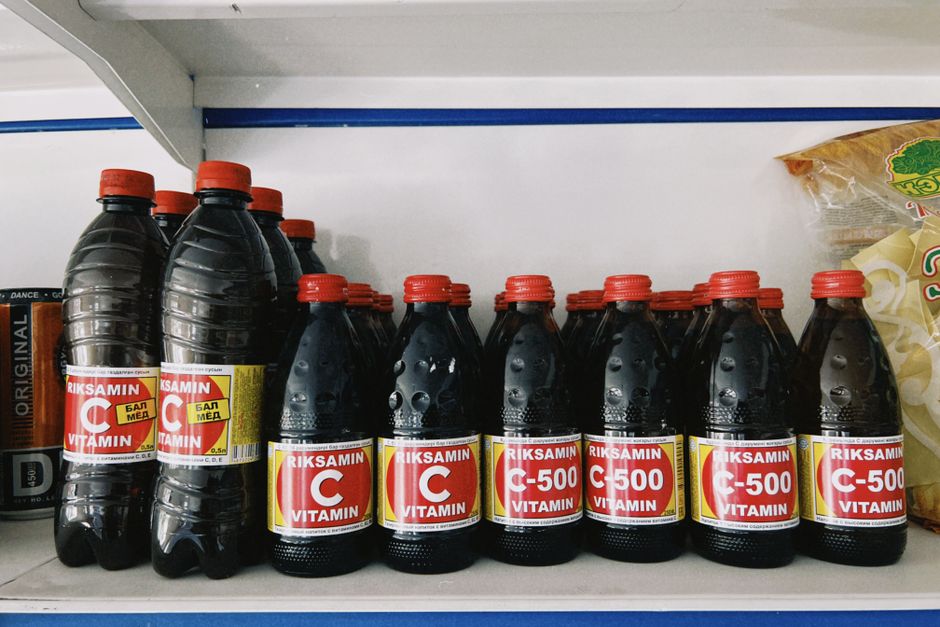
Photo: Aibek Skakov
Unilever is exploring a bid for Thorne, a South Carolina supplements company valued at up to $4 billion, and the move signals something bigger than one acquisition: the company that built its name on Dove soap and Axe deodorant is placing a very large bet that your medicine cabinet is worth more than your shower.
The Financial Times reported the bid interest on Friday. According to Reuters, Unilever is one of several bidders, with consumer healthcare group Haleon also among those who have expressed interest. Thorne was acquired in 2023 by L Catterton, a private equity firm backed by LVMH, for $680 million. A potential sale at up to $4 billion would represent nearly a sixfold return in roughly three years, a number that tells you how hot the supplements market has become.
A company rewriting its own identity
Fernando Fernandez took over as Unilever's CEO in March 2025 and has moved quickly to reshape what the company actually is. Last March, Unilever announced it would combine its food business with U.S. spice maker McCormick, effectively stepping back from a category that made it a household name for decades. Then it bought Grüns, a nutritional supplements brand, for an undisclosed amount. Before Fernandez arrived, Unilever had already picked up Nutrafol (hair supplements, 2022), SmartyPants Vitamins (2020), and Olly Nutrition (2019).
Thorne would be by far the largest and most expensive piece of that puzzle.
The pattern is deliberate. Unilever is not just adding a product line; it is trying to reposition itself as a beauty and wellness company rather than a legacy consumer goods manufacturer. The strategic logic is straightforward: margins in supplements and wellness products tend to be higher than in detergent or mayonnaise, and the category is growing faster than the traditional grocery staples that built Unilever's business over the past century.
What this means in practice
For consumers, consolidation of this kind tends to flow in a predictable direction. When large consumer goods companies acquire smaller wellness brands, they gain the distribution scale to put those products in front of many more people. That can lower prices in the short term through volume and efficiency. But it can also sand off the brand identity that made the product appealing in the first place, and it raises the longer-term question of whether premium wellness products, once absorbed into a conglomerate's portfolio, stay premium or drift toward the middle of the shelf.
Thorne's existing customer base skews toward people who are already engaged enough in their health to seek out professional-grade supplements. That is a different consumer than someone who picks up gummy vitamins at a drugstore. Whether Unilever's ownership would preserve that positioning or gradually broaden it down-market is the real tension inside this deal.
The broader picture is this: the supplement and wellness industry has grown large enough that it is now attracting the same corporate consolidation that reshaped packaged food, beer, and personal care before it. When giants start paying $4 billion for brands that sold for $680 million three years ago, they are not just buying a company. They are trying to own the category before someone else does.
Thorne, Unilever, and L Catterton all declined to comment or could not be reached. No deal has been confirmed.