Union Pacific and Norfolk Southern's $85 billion merger just hit a wall
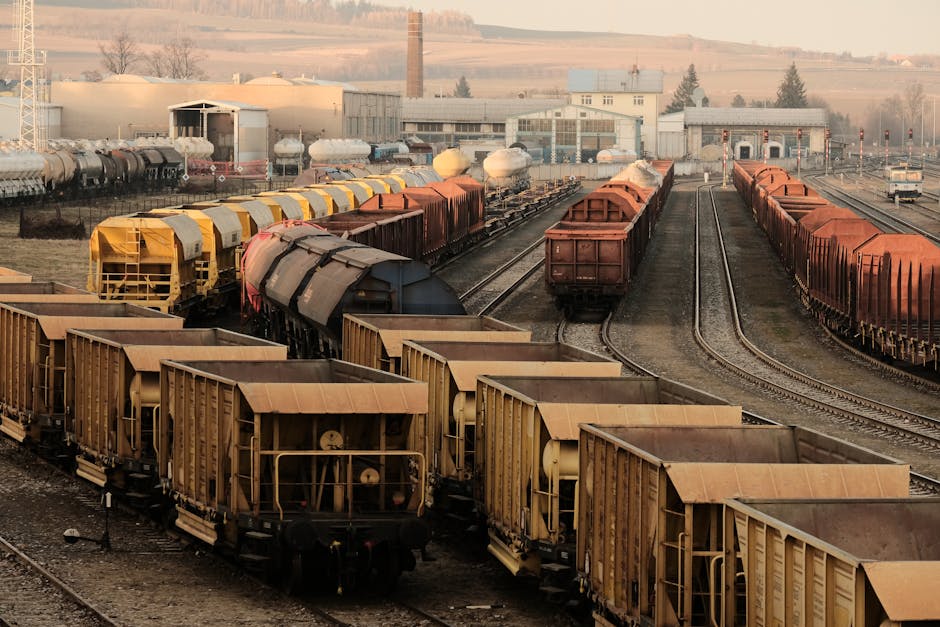
Photo: Jiri Ikonomidis
Union Pacific and Norfolk Southern want to build a single railroad stretching coast to coast, and the price tag is $85 billion. The federal regulator overseeing the deal just told them to go back and do their homework first.
The U.S. Surface Transportation Board, which has exclusive authority over railroad mergers, paused its review on Thursday. The agency said several parts of the companies' application are "unclear or underdeveloped." It wants more detail on competition, market share projections, and what this merger would mean for the broader rail industry before anyone moves forward. The companies have until July 27 to respond.
This is the second time the application has been sent back. The board rejected the original proposal in January. The companies filed a revised version in April. Now that version has run into the same wall.
Why this matters beyond the railroads
Freight rail is infrastructure in the most literal sense. It moves the grain that becomes your bread, the chemicals that make your cleaning products, the auto parts that keep car prices from rising further. When railroad markets concentrate, the companies that ship on those rails, farmers, manufacturers, chemical producers, have fewer options and less leverage to push back on rates.
A coalition of business groups, rival railroads, and labor unions has already lined up against the deal, arguing it would stifle competition and raise costs for manufacturers, farmers, and consumers. That's not abstract. If a single operator controls the routes connecting the eastern and western halves of the country, shippers who need to move goods across that network have nowhere else to go.
The deal's defenders argue the opposite: that a coast-to-coast network would make U.S. freight more efficient, reduce truck traffic, and lower supply chain costs over time. Union Pacific and Norfolk Southern said in a joint statement they "will continue working closely with the STB to provide the requested information."
What the timeline looks like now
The companies originally expected to close the deal in April 2027. That target has slipped to mid-2027. Once the July 27 submission is in, the STB will spend roughly a year reviewing the evidence, then issue a decision within three months after that.
RBC analyst Walter Spracklin wrote that the delay is not likely to change whether the deal ultimately gets approved, calling Thursday's development "neutral to sentiment." Investors weren't quite so calm: Union Pacific shares fell 4.2% and Norfolk Southern dropped 5.4% on the news.
The deeper issue is what the STB is actually asking for. The board wants to understand downstream merger impacts, meaning whether this deal makes a future wave of railroad consolidation more likely. Two railroads becoming one doesn't just affect the two companies. It changes the competitive math for every other carrier, every shipper, and every community that depends on rail access.
Rail consolidation in America has been running for decades. The industry that once had dozens of major operators now has a handful. This merger would collapse that number further, giving two companies control over almost the entire national freight rail map. The STB's caution, asking for detailed competition analysis before even beginning the formal review clock, suggests the board understands that once a merger of this scale closes, it cannot be undone.
The question regulators are really asking is not whether these two companies can run a bigger railroad. It's whether the country that depends on that railroad will be better or worse off when there's no one else to call.