Big oil found a quiet way to avoid UK taxes. That gap is closing.
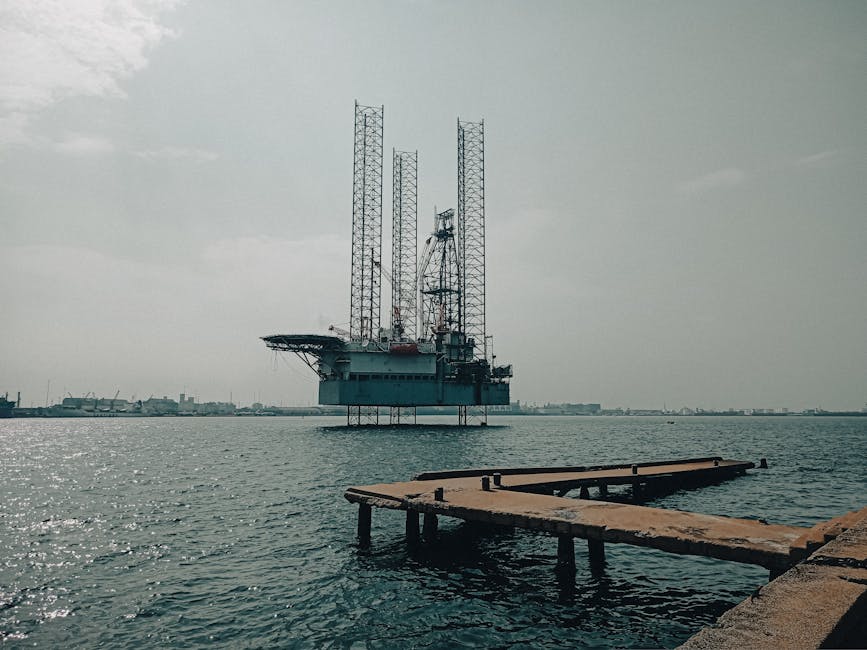
Photo: Paul Uchechukwu
Some of the world's largest oil and gas companies have been legally paying little or no corporation tax on their British energy trading profits. The British government just announced it is ending that arrangement.
Finance minister Rachel Reeves told parliament on Thursday that she would close a loophole that allowed multinationals to use losses from their foreign branches to shelter UK profits from tax. The change is expected to raise hundreds of millions of pounds a year, and Reeves said it would help fund free bus fares for children, lower tariffs on food, and a tax break for family attractions.
How the structure worked
A company operating in Britain through an international corporate structure could, in some cases, have foreign branch losses count against its UK profits, reducing the amount it owed the British government. The profits were there. The tax bill was not. Reeves told parliament that some oil and gas groups "have structured their tax affairs in a way which ensures they pay little or no corporation tax on their UK energy trading profits."
That is a notable admission to make on the floor of parliament about legal behavior. It signals that the government decided the arrangement was too far from the spirit of the tax code to leave standing.
The firms named in the North Sea, including Shell, BP, Ithaca Energy, and Harbour Energy, did not respond to requests for comment from Reuters.
What this means in practice
For ordinary people, the mechanism is a few steps removed from daily life, but the destination is concrete. Tax revenue that was being reduced to near zero by corporate structure will now be collected, and the government has explicitly tied the money to consumer-facing spending: cheaper travel for children, lower food costs through tariff cuts, and reduced entry costs at family attractions.
That connection between corporate tax compliance and household budgets is the real political logic here. Reeves is not just closing a loophole. She is making visible who paid for it.
For the energy companies, the change arrives in an already demanding tax environment. Britain already operates one of the heaviest tax regimes for oil and gas producers in the world. A windfall levy of 38% kicks in when energy prices exceed government-set thresholds, which combined with the standard rate pushes the total tax burden in those circumstances to 78%. The loophole being closed applied to UK energy trading profits specifically, so its financial impact on each firm will depend on how significantly they relied on the foreign branch structure.
Reeves also said the reform brings Britain into line with how other major economies treat foreign profits, framing it less as a punitive measure and more as a correction of an anomaly that most comparable tax systems had already addressed.
The broader pattern worth watching is how governments are tightening the definition of acceptable tax planning. For decades, the gap between the legal and the legitimate in corporate taxation was wide enough to drive a pipeline through. That gap has been narrowing across Europe and the United States, driven partly by political pressure and partly by international coordination on minimum tax standards. Britain's move fits that trend. The specific structure being closed here is narrow, but the direction is consistent: profit booked in a country, tax paid in that country.
For energy companies with North Sea operations, this is another line item in a tax regime that has already become expensive. For the government, it is a reminder that the easiest revenue to raise is sometimes the revenue that was already owed.