BlackRock just froze $1 billion in Brazil clean power, and the grid is why
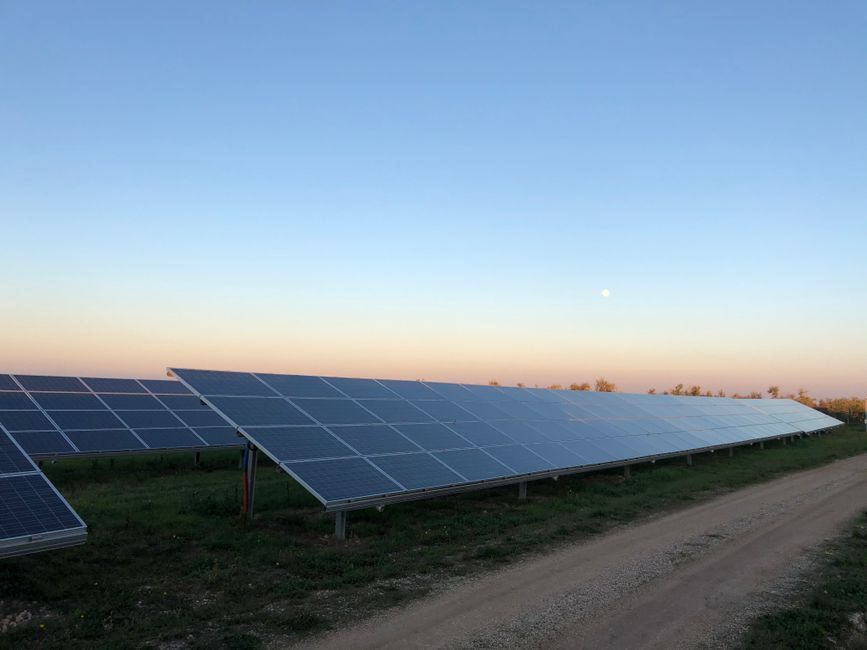
Photo: Diego Vivanco
BlackRock's infrastructure arm just put $1 billion in Brazilian solar and wind projects on ice, and the reason has nothing to do with politics or prices. The grid keeps saying no.
Atlas Renewable Energy, one of South America's largest clean power companies and owned by BlackRock's Global Infrastructure Partners unit, told Reuters this week that it has frozen plans for roughly 1.5 gigawatts of new capacity in Brazil. CEO Carlos Barrera said curtailments, the share of energy the grid operator rejects even when plants are fully capable of generating it, hit 15% to 25% for Atlas's existing Brazilian projects just in the April-to-June quarter.
That is not a rounding error. It means that on some days, up to a quarter of the clean electricity those plants could have produced was simply turned away.
The rule that makes it worse
Here is the part that turns a grid problem into a financial crisis. When Brazilian renewable companies have their output rejected, they are still legally required to honour their power contracts. So they go into the market and buy replacement electricity, often at twice the price they originally contracted to sell for. Barrera put it plainly: "You're being curtailed, but you're buying energy at 2x the cost... that's what's been problematic."
Fitch Ratings flagged this dynamic last month, assigning negative outlooks to 11 Brazilian renewable project financings and warning that curtailments will continue through 2030, weighing on cash flow and the ability to service debt. Average curtailments for projects Fitch tracks surged to a range of 7% to 25% in 2025, up from 6% to 12% the year before.
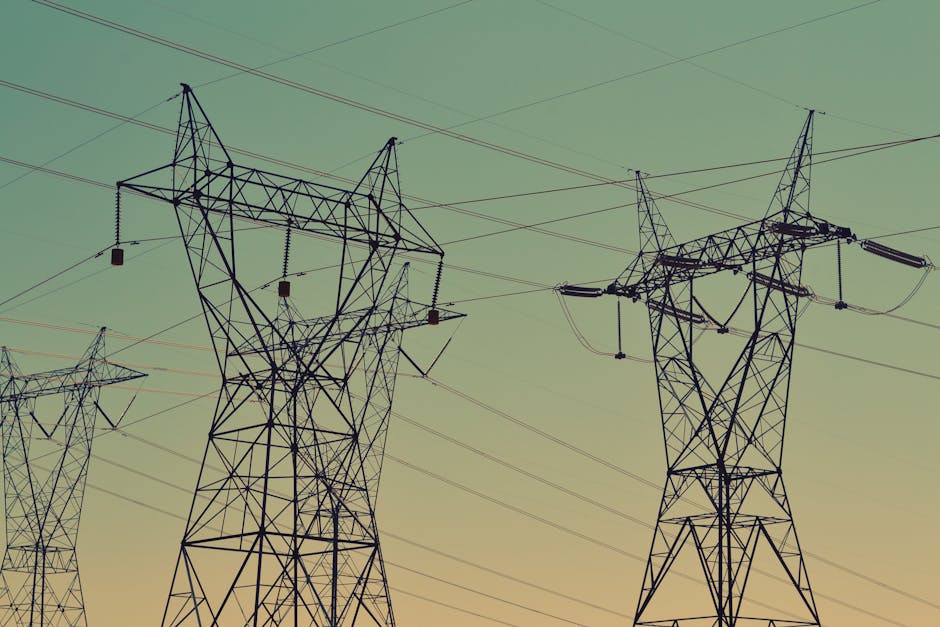
The underlying cause is a mismatch that has become a pattern worldwide. Brazil built solar capacity fast, but transmission infrastructure, the actual cables and substations that carry power from generation sites to cities, did not keep pace. Barrera is blunt about the diagnosis: "The real issue is overcapacity of solar. Even if you fix all the transmission issues in Brazil, you're still going to have overcapacity, you're still going to have curtailment."
What gets cut along with the power
The practical consequences reach beyond spreadsheets. When renewable companies are forced to scale back operations, jobs go with them. Brazil's clean energy boom was supposed to create durable employment in construction, maintenance, and grid operations. A wave of curtailment-driven retreats by major investors reverses that logic quickly.
Barrera does not expect the Brazilian government to redesign its electricity market rules before 2028, with national elections scheduled later this year. He does expect curtailments to ease gradually as the pace of new solar additions slows and power demand continues to grow, essentially letting the grid catch up to the capacity already built. But that is a multi-year process, and the $1 billion now sitting on hold is a concrete signal that investors are not willing to wait on good intentions.
Brazil is not alone. Curtailment is a growing constraint in Australia, Japan, India, and Chile, all countries where the buildout of generation capacity has outrun the physical infrastructure to carry that power where it needs to go. The broader lesson is one the energy transition keeps producing: adding clean capacity is the easy part. The harder, slower, and more expensive work is building the grid that makes it actually usable.
For a country the size of Brazil, the stakes are significant. It is already the world's fifth-largest wind and solar market. Whether it can convert that installed capacity into reliable, affordable electricity depends on a market design and transmission build-out that, right now, is pushing the biggest investors toward the exit.