The electricity merger that could reshape your power bill
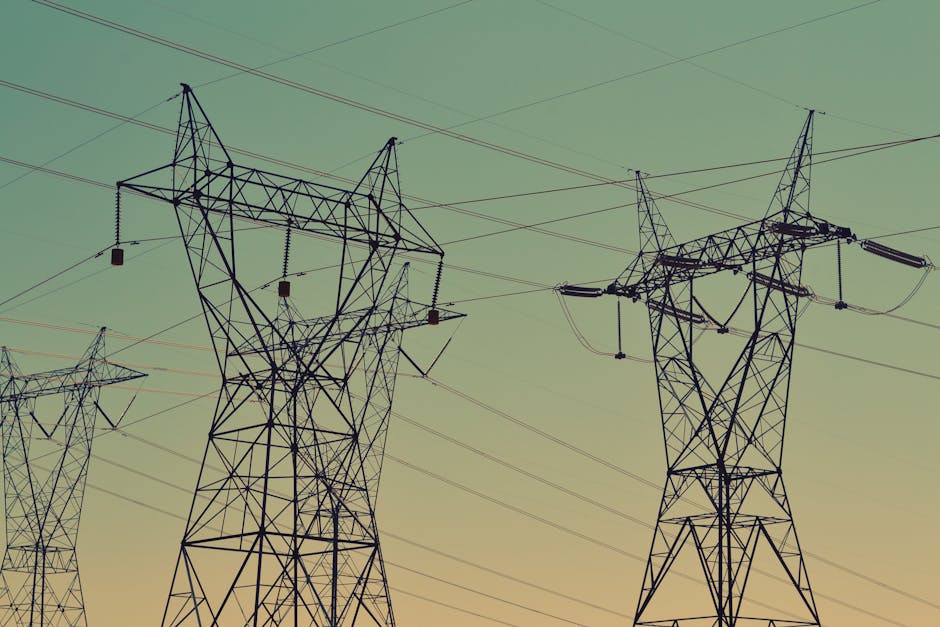
Photo: Snapwire
If you live in Virginia, North Carolina, or South Carolina, your electricity likely flows through Dominion Energy. If this deal closes, it would soon flow through the country's largest power company — one built in Florida, shaped by wind and solar, and now positioned to own a significant slice of the American grid.
NextEra Energy, the Florida-based giant behind some of the world's biggest renewable energy projects, is in talks to acquire Dominion Energy at roughly $76 per share, Bloomberg News reported Sunday. That's about a 21% premium over where Dominion's stock closed on May 15. The all-in price, including debt, would value the combined company at roughly $400 billion, according to an earlier Financial Times report. A deal could be announced as early as Monday.
The structure is mostly a stock swap: NextEra would exchange about 0.8 of its own shares for each Dominion share, with a small cash component on top. NextEra shareholders would own about 75% of the merged company.
Why now
The timing is not accidental. U.S. power demand hit record levels in 2025, and it's expected to keep climbing over the next two years. The reason is data centers — the physical infrastructure behind AI, cloud computing, and the rest of the digital economy — which consume enormous and predictable amounts of electricity. Data-center operators are rushing to lock in long-term supply deals with utilities, and that's making electricity infrastructure dramatically more valuable.
In that environment, scale matters. A combined NextEra-Dominion would be one of the largest power companies in the country by market value, with a footprint stretching from Florida through the mid-Atlantic and Southeast — precisely the regions where data-center investment is concentrated.
What this means beyond the stock price
For ordinary customers, the most immediate question is what consolidation does to rates and service quality. That won't be settled by the deal itself — utility mergers of this size require approval from the Federal Energy Regulatory Commission and state regulators in every jurisdiction where Dominion operates, a process that can take a year or more and often extracts commitments on rate caps or infrastructure investment as conditions of approval.
NextEra's record as an operator of regulated utilities is worth watching here. The company has built its reputation largely on renewable energy development rather than on running traditional customer-facing utilities at scale. Dominion serves millions of households in states with significant political sensitivity around energy costs and reliability.
The deeper pattern is harder to ignore: the American grid is being quietly transformed by the same AI wave reshaping every other sector. Data centers need power the way factories once needed steel — in quantity, reliably, and preferably cheap. That demand is turning electricity infrastructure into one of the most strategically valuable assets in the country, drawing in capital and consolidation at a pace not seen in decades.
What gets built next — and who controls it — will shape energy costs, grid resilience, and even which regions attract the next wave of economic investment. A $400 billion power company with ambitions across renewables and the mid-Atlantic grid is one answer to that question. Whether it's the right one is what regulators will now have to decide.