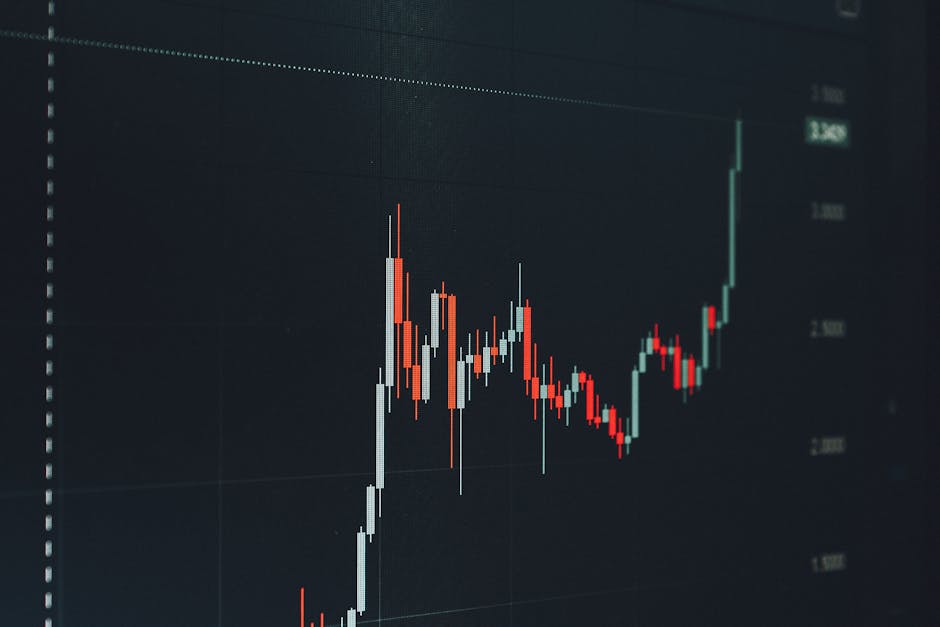
Oil hits $110 as Gulf attack raises the odds of a wider war
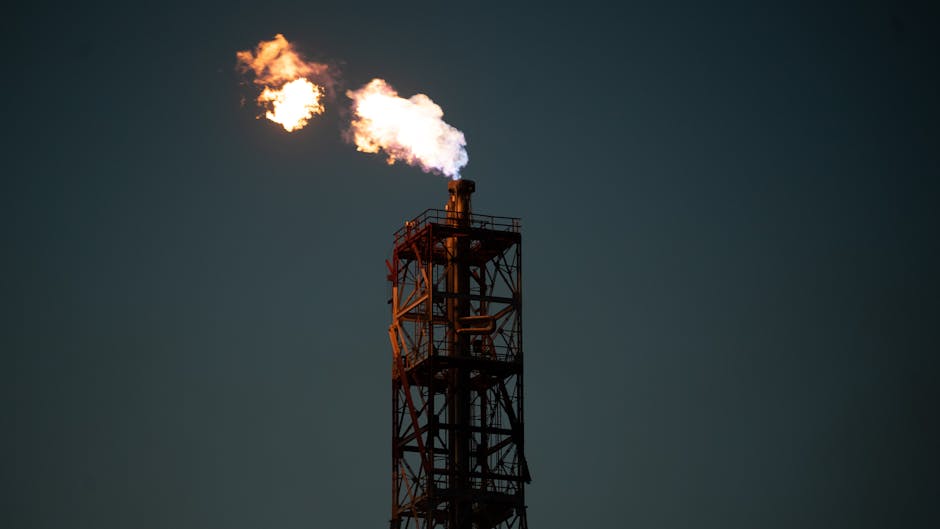
Photo: Ulises Castillo
The price of oil crossed $110 a barrel on Monday. That number matters not as a market statistic but as a pressure point that runs through almost everything, gasoline, shipping, groceries, airfare, plastics. And right now, it's moving in the wrong direction.
Brent crude, the global benchmark, climbed to $110.62 a barrel on Monday. U.S. crude reached $107.26. Both are up more than 1% in a single session, and the reasons behind the move are more alarming than the percentages suggest.
What happened
A drone struck a nuclear power plant in the United Arab Emirates over the weekend. Simultaneously, Reuters reported that efforts to end the U.S.-Israeli war with Iran appear to have stalled. President Trump, according to the report, is expected to discuss military options against Iran.
That combination, an attack on critical infrastructure in the Gulf, peace talks going cold, and a U.S. president weighing military escalation, is exactly the kind of threat that oil markets price immediately and ordinary life feels within days.
Why the Gulf still controls your gas bill
The Persian Gulf and the waters around it are the bottleneck through which roughly a fifth of the world's oil supply flows. The UAE is itself a major producer. Any serious disruption to production, shipping lanes, or regional stability does not stay in the Gulf, it shows up at American gas stations, usually within two to three weeks.
At $107-plus per barrel for U.S. crude, the math is already uncomfortable. The rule of thumb is rough, but a $10 rise in oil typically adds about 25 cents to a gallon of gasoline over time. American drivers were already paying elevated prices before this weekend. A sustained run toward $120, which analysts have flagged as plausible if the Iran situation deteriorates further, would push average pump prices well above $4 nationally, and higher in states with heavier fuel taxes.
Gas is the visible tip. The less visible part is that oil price increases bleed into nearly every physical good that gets made or shipped. Trucking costs rise. Airlines raise fares or cut routes. Petrochemicals, the basis for packaging, fertilizer, clothing fibers, get more expensive. Inflation that had been slowly cooling has a direct pressure point here.
The harder problem
The immediate price move is one thing. The bigger risk is duration and direction.
If the drone attack on the UAE plant is a one-off provocation, oil markets will likely absorb it and settle. But if it reflects a broader escalation, Iran-linked forces expanding targets, U.S. military options moving from discussion to action, Gulf allies hardening their postures, then the current price is not a spike. It's a floor.
That distinction matters enormously for the Federal Reserve, which has been trying to hold interest rates high enough to keep inflation from re-accelerating. An oil-driven inflation surge is the kind the Fed can do almost nothing about; raising rates doesn't produce more oil. If energy prices stay elevated for months, the Fed faces an ugly choice between holding rates high while the economy slows, or easing while prices are still climbing.
The last time oil spiked on geopolitical shock, the Russian invasion of Ukraine in 2022, inflation hit 9%. The conditions aren't identical, but the transmission mechanism is the same.
Monday's $1-plus move is a signal, not a verdict. What it signals is that one of the world's most consequential chokepoints is under active threat, and that the people who price risk for a living are taking it seriously.