China's biggest developer wants to pay 40 cents now and the rest later
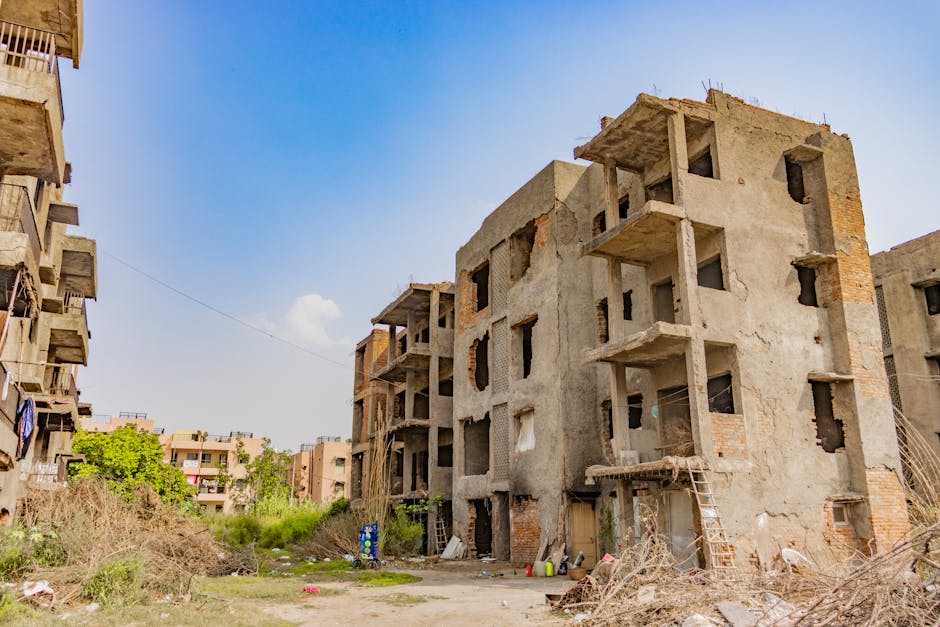
Photo: Shantum Singh
China's largest property developer is asking the people it owes money to for more time, again.
China Vanke, one of the biggest names in Chinese real estate, has proposed paying back only 40% of principal on four bonds due this summer, then extending the remaining 60% by one year. Two of those bonds are medium-term notes worth 2 billion yuan each, due on June 15 and July 7. Two more corporate bonds due or eligible for early repayment in July are under the same proposal. A bondholder meeting is set for June 5, with a vote deadline of June 9, according to Reuters.
This is not Vanke's first attempt at this kind of arrangement. In January, the company won investor approval to extend three other yuan bonds under nearly identical terms, paying 40% upfront and deferring the rest. That earlier approval is probably why Vanke is trying the same approach now: it worked before.
What this actually means
For the bondholders involved, mostly Chinese institutional investors and asset managers, the choice is a familiar one in a distressed debt situation. Accept a partial payment today and hope the company can cover the rest in a year, or push for full repayment now and risk getting less in a messy restructuring. Neither option is comfortable.
For everyone watching from the outside, the more important signal is what this says about the state of China's property sector.
Vanke was for years considered one of the safer names in Chinese real estate, a developer with strong government ties and conservative management, distinct from the reckless borrowers like Evergrande that collapsed earlier in the decade. The fact that Vanke has now twice in six months gone back to bondholders asking for extensions suggests the financial stress in the sector runs deeper and lasts longer than official timelines have implied.
Chinese authorities have taken steps to support the property market, including easing mortgage rules and pushing state-owned enterprises to buy up unsold housing inventory. But those measures have not been enough to restore the cash flow that developers need to meet obligations as they come due. Sales volumes have improved modestly in some cities, but the pipeline of debt coming due across the sector remains enormous.
Why it matters beyond China
For American readers, the direct financial exposure is limited. Most U.S. investors do not hold Chinese property developer bonds. But there are a few broader threads worth following.
China's construction and real estate sector has historically accounted for a substantial share of global demand for steel, copper, and other industrial materials. A prolonged, slow-motion debt workout at major developers keeps a lid on that demand, which in turn affects commodity prices globally, including the prices that American manufacturers and exporters face.
There is also the question of what a weakened Chinese consumer and a depressed property market mean for global growth more broadly. Housing wealth is central to how Chinese households feel about their finances. When that wealth is impaired, spending softens, and that ripple reaches the companies and countries that sell goods into China.
Vanke's request is a small transaction in a large story. But the fact that one of China's most trusted developers is still, in mid-2026, renegotiating debts on a rolling basis suggests the resolution of China's property crisis is not imminent. The sector is not collapsing dramatically anymore. It is contracting slowly, one bondholder meeting at a time.
Related Posts




Recent


Oct 10, 2026