Chesapeake is spending $1.2 billion to pipe more gas into South Florida

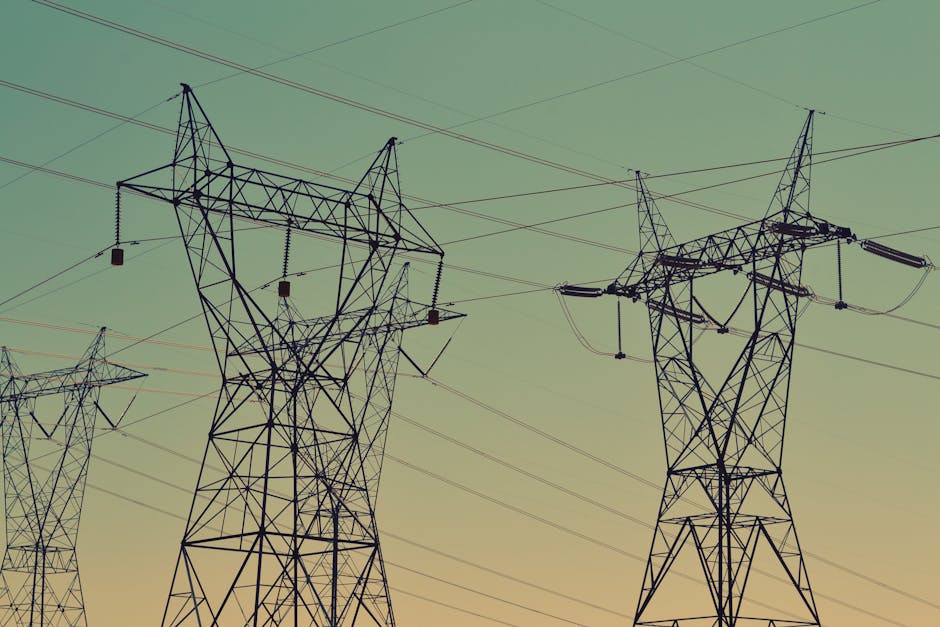
Photo: Ray Bran
Chesapeake Utilities is betting $1.2 billion that South Florida is running out of room to grow, and the region's energy constraints are about to become everyone's problem.
The company announced Monday that its subsidiary, Peninsula Pipeline Company, will build a new natural gas pipeline running from Palm Beach County south to Miami-Dade. The project, called the Florida Energy Pathway, is expected to carry nearly 250,000 dekatherms of gas per day (roughly the amount needed to heat or power several hundred thousand homes, depending on use) once it enters service in 2030.
Chesapeake CEO Jeff Householder framed the investment bluntly: "Florida continues to lead the nation in population and economic growth, which drives increasing energy demand. In the south Florida area, this has led to significant energy supply constraints."
Why this matters now
South Florida's growth is not theoretical. The region has absorbed a wave of residents and businesses since 2020, adding pressure to infrastructure built for a smaller population. When gas supply tightens in a fast-growing area, the effects ripple outward. Utilities struggle to guarantee reliable service. Power plants that run on natural gas face fuel shortages, which can drive up electricity prices. Developers slow construction if they can't guarantee energy access for new buildings.
Chesapeake is positioning this project as the fix. The pipeline will be a 24-inch line, which is large by regional standards, and the company says it already has firm shipping commitments backing the capacity. That means customers, likely utilities and large commercial buyers, have already agreed to pay for access to the pipeline regardless of whether they use it. Those committed contracts are what make a $1.2 billion regulated infrastructure investment financeable.
To spread the cost, Chesapeake says it plans to bring in one or more outside partners who could own up to 49% of the project. That structure is common in large pipeline deals: it lets the lead developer retain control while sharing the capital burden and regulatory risk.
The 2030 problem
The gap between now and 2030 is not trivial. Four years is a long time for a region straining under current demand. The pipeline will need permits, environmental review, and construction time through some of the most densely developed land in the state. None of that is fast, and any of it can slip.
Until the pipeline is operational, South Florida's energy constraints are not going away. That means residents and businesses in the region face continued exposure to supply tightness, with electricity reliability and utility costs both dependent on a grid that has less headroom than the population growth curve demands.
There is also a longer-run question baked into any $1.2 billion gas infrastructure commitment: this is a project designed to operate for decades, well into a period when the broader energy system is expected to include far more solar, battery storage, and electrification. Florida already has enormous solar capacity, and the economics of gas generation are being tested across the country. Chesapeake is making a long-term bet that natural gas remains central to South Florida's grid through the 2030s and beyond. Regulators, environmental groups, and eventually ratepayers will all have a say in whether that bet holds.
For now, the immediate story is simpler. A fast-growing region needs more energy infrastructure than it has, one company thinks it can build that infrastructure at a profit, and the people who live and work between Palm Beach and Miami will wait until at least 2030 to find out if it was enough.
Related Posts





Recent


Oct 10, 2026