Europe is cutting tariffs for Trump. The safety net is the fight.
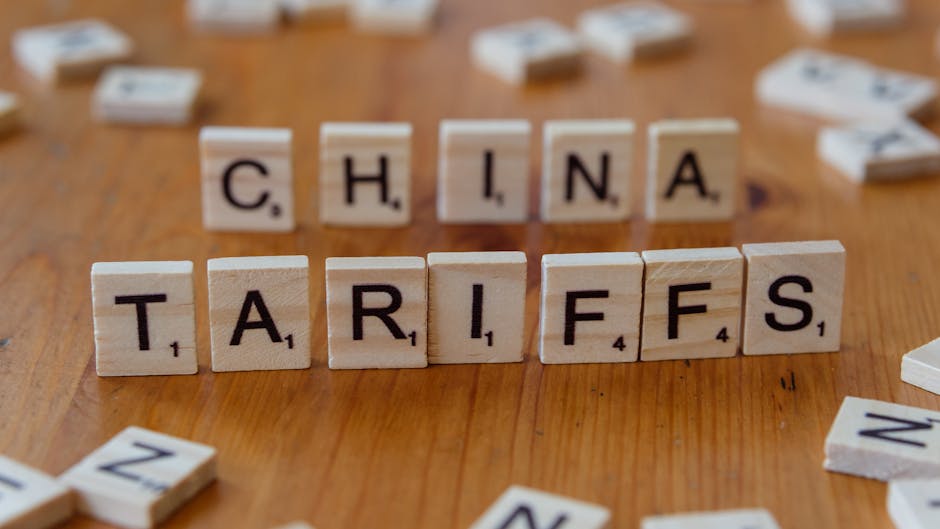
Photo: Markus Winkler
The price of avoiding a trade war just got a little clearer for Europeans: zero import duties on American industrial goods, and preferential access for American farm and seafood products. In exchange, the United States keeps its tariffs on most European exports at 15%. That is the deal. The fight right now is over what the EU gets to do if America breaks it.
EU negotiators were expected to meet Tuesday evening in Brussels for what both sides described as a final round of talks. European Parliament lawmakers said they were confident an agreement would land before Wednesday morning. If it does, a formal Parliament vote would follow in mid-June, putting the bloc on track to meet a July 4 deadline set by President Trump.
What the deal is, and where it came from
The terms were struck last July at Trump's Turnberry golf resort in Scotland. The EU promised to remove duties on American industrial goods and open its market more to American agriculture. The U.S. promised to hold its tariffs on European goods at 15%, rather than push them higher. That 15% already hits European cars, machinery, food, and pharmaceuticals heading into the American market.
Ten months later, the EU still had not passed the legislation to make its side of the deal official. Parliament kept pausing the process, first when Trump threatened higher tariffs on European allies who refused to support his push to acquire Greenland, and again when the U.S. Supreme Court struck down his global tariff order. Each pause reflected a genuine question: if the legal foundation on the American side keeps shifting, how much should Europe commit to on paper?
Trump answered by raising the stakes. He threatened to push tariffs on European car imports from 15% to 25% if the EU did not implement its commitments by July 4. That pressure, more than anything else, is why negotiators are now meeting at 9 p.m. on a Tuesday.
The safeguard fight
The substantive disagreement is not about whether to do the deal. It is about what the EU can do if Trump later ignores his side of it.
Parliament wants three protections. A "sunrise clause" would mean European duty cuts only kick in once the United States has actually followed through on its commitments, not just promised to. A suspension mechanism would let the EU freeze its concessions if America breaches the agreement. And a "sunset clause" would automatically end the entire arrangement on March 31, 2028, giving Europe a defined exit point rather than an open-ended obligation.
EU governments are cooler on all three. Their concern is practical: provisions that look like escape hatches could irritate the Trump administration and create legal uncertainty for European companies that have already started adjusting supply chains around the deal's terms.
That tension, Parliament wanting leverage and governments wanting stability, is the real negotiation. The tariff numbers are largely settled. The question is whether Europe locks itself into the deal unconditionally or preserves some ability to respond if things go wrong.
For European exporters, especially German and French automakers whose cars face that potential 25% tariff, the answer to that question matters less than whether a deal exists at all. A done agreement, even an imperfect one, is better than tariffs that make European vehicles meaningfully more expensive in the American market and cost factories their orders.
The broader pattern here is one that has played out across trade negotiations for the past two years: countries that trade heavily with the United States are being asked to move first, accept asymmetric concessions, and trust that the other side will follow. Whether the EU builds in formal protections against that risk, or simply takes it, is what Tuesday night's talks will decide.