Germany is selling off the company that nearly broke its energy grid
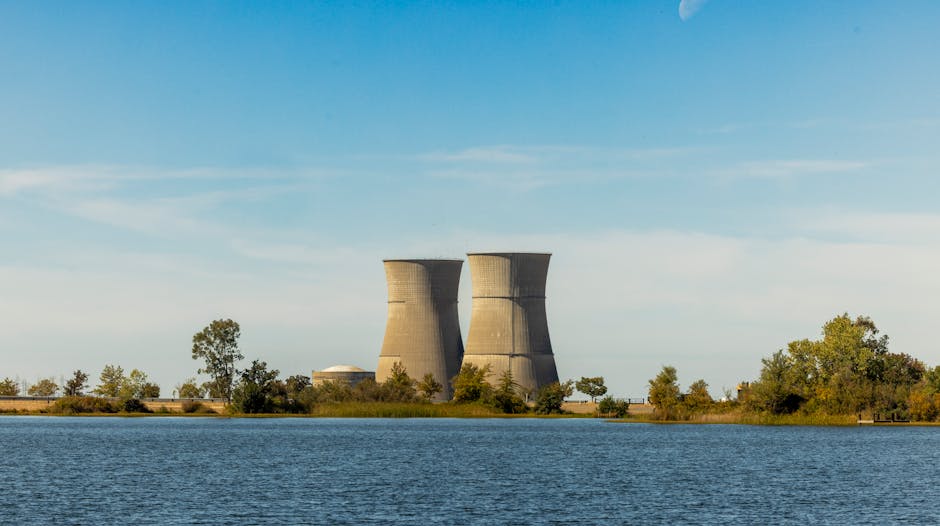
Photo: Sean P. Twomey
Three years ago, Germany effectively nationalised an energy company to stop a financial collapse that could have left homes and factories without heat. Now it wants to sell that company back.
Germany's finance ministry has launched a formal process to sell down its stake in Uniper, the country's largest natural gas importer, according to the Sueddeutsche Zeitung newspaper. Interested buyers have until June 12 to make contact. The government currently owns 99.12% of the company and wants to bring that down to 25% plus one share by the end of 2026, through either a sale to private investors or a stock market listing.
How Uniper ended up in government hands
The short version: Russia cut gas supplies to Europe in 2022, and Uniper was caught badly exposed. The company had built its business around cheap Russian gas, and when that gas stopped flowing, it had to buy replacement supplies on the open market at prices that were many times higher. The losses mounted so fast that without government intervention, Uniper would have collapsed, and the ripple effects through Germany's energy system would have been severe.
Berlin stepped in with a rescue package that gave the government an overwhelming ownership stake. It was one of the largest corporate bailouts in German history, and it happened with extraordinary speed because the alternative was worse.
That crisis also helped drive Germany's energy bills to painful highs, squeezed industrial production, and forced a fundamental rethinking of where Europe's energy would come from. The emergency is over in the narrow sense. The acute crisis passed. But the underlying questions about energy security, dependence on single suppliers, and what happens when those suppliers disappear remain very much alive.
What the sale means
For ordinary Germans, the most direct question is whether a privatised Uniper will keep energy prices stable or push them higher. That is genuinely hard to answer at this point. The government has not laid out what conditions, if any, it will attach to a sale. A private owner will answer to shareholders, not to voters, and the two sets of priorities don't always align.
The government's goal of reducing its stake to 25% plus one share is significant in one specific way: under German corporate law, a 25%-plus-one holding is a blocking minority. That means the state would retain a veto over major decisions even after selling most of the company. It is a way of saying "we want the private sector to run this, but not without limits." Whether that veto gets used in practice depends on who buys the rest of the company and what they try to do with it.
The timeline is tight. June 12 is the deadline for interested parties to signal interest, and the government wants the transaction completed by year-end. A stock market listing would take longer to organise than a direct sale to an industrial buyer or a financial investor. Both paths are apparently on the table, and the structure matters because it determines who ends up with influence over a company that still handles a significant share of Germany's gas supply.
There is a broader pattern here worth noting. Across Europe, governments that intervened heavily in energy markets during 2022 and 2023 are now facing the question of how to exit those positions without creating new instability. Germany's Uniper sale is one of the larger tests of whether emergency nationalisation can be unwound cleanly, or whether the state, once deeply embedded in a critical industry, finds it harder to leave than it expected.