Solstice just bet $14.5 billion that AI runs on chemistry
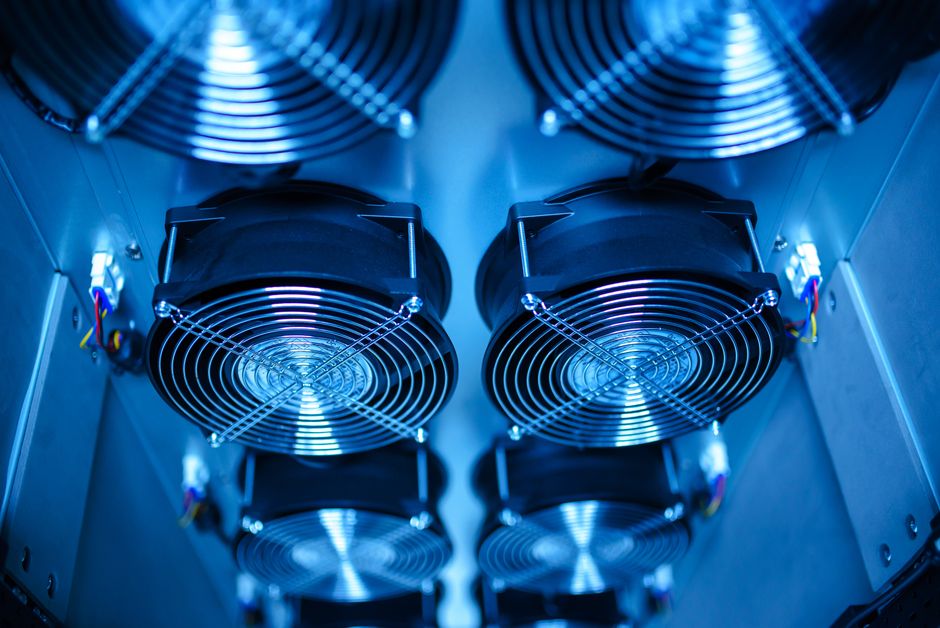
Photo: panumas nikhomkhai
Solstice Advanced Materials just agreed to pay $14.5 billion for Element Solutions, and its own shareholders voted with their feet: the stock dropped nearly 13% on Monday. That gap between what the company believes and what the market thinks tells you almost everything about the bet underneath this deal.
Solstice spun out of Honeywell not long ago and has been building itself into a supplier of the unglamorous but essential materials that modern technology runs on: refrigerants, specialty chemicals, uranium conversion, and now, through this acquisition, the full portfolio of chemicals that go into making semiconductors and electronics. Element Solutions brings that electronics chemistry piece in one transaction.
Why AI needs chemistry
The connection between a chemical company and an AI data center is less obvious than it sounds, but it is real and growing fast.
Data centers generate enormous heat. The chips inside them require ultra-pure chemical processes to manufacture. Cooling those facilities at scale demands advanced refrigerants and thermal-management fluids, the kind of specialty materials Solstice already makes. Meanwhile, the semiconductor fabs producing the chips that power AI models depend on precisely formulated chemicals at every stage of production. Element Solutions supplies many of those chemicals now.
Put the two companies together and you get a single supplier sitting across several of the physical supply chains that AI infrastructure actually depends on. That is the logic CEO David Sewell laid out on the deal call Monday.
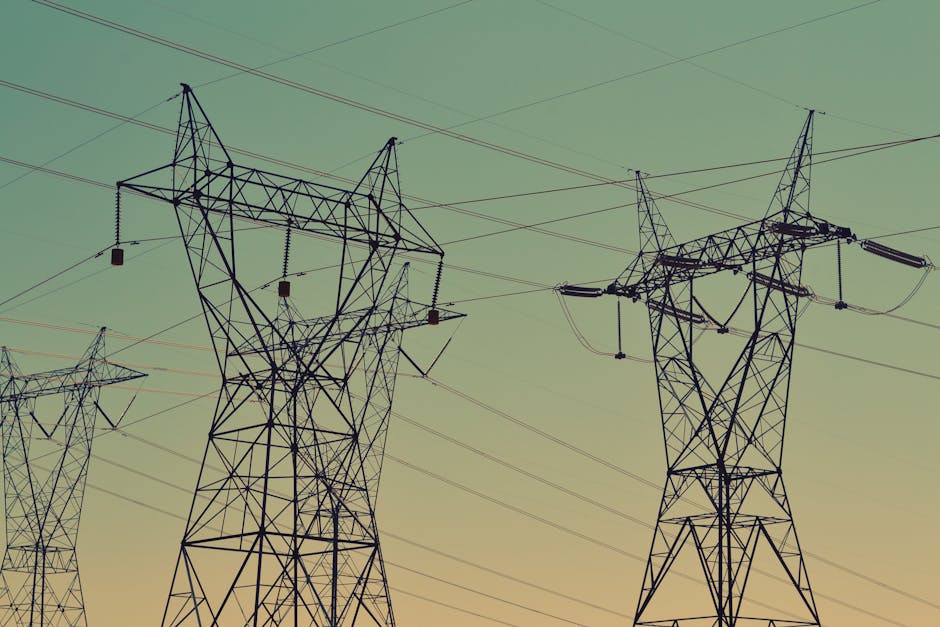
Sewell also pointed to Solstice's uranium conversion and nuclear services business as a longer-term piece of this story. Nuclear power is increasingly discussed as the only energy source that can realistically supply the consistent, around-the-clock electricity that large data center campuses require. Having a footprint in nuclear services positions the combined company to benefit from that buildout, executives said.
What it costs and who pays
Element shareholders are getting $10 in cash plus half a Solstice share for each share they hold. That works out to roughly $50.10 per share, about 15% above where Element was trading before the announcement. Element shares still fell 2.1% Monday, suggesting some skepticism about whether the deal actually closes or delivers its promised value.
Solstice is funding the transaction with a mix of stock, new debt, and cash. Goldman Sachs has committed an initial $4.7 billion bridge loan to backstop the financing. That debt load is part of why Solstice's own stock sold off so sharply. Investors who already owned Solstice now face dilution from the new shares issued, plus the weight of that borrowing sitting on the combined company's balance sheet.
The deal is expected to close in the first half of 2027. Sewell stays as CEO. Element's CEO Ben Gliklich joins the board.
The bigger pattern
Solstice is making a structural argument, not just a deal. The argument is that AI is not only a software story. It is a physical infrastructure story, and the companies that supply the materials enabling that infrastructure, the chemicals, the cooling systems, the power sources, are systematically undervalued relative to the chip designers and cloud platforms that get most of the attention.
That argument may be correct. Semiconductor chemical supply chains have become geopolitically sensitive enough that governments are actively trying to secure them. The United States passed legislation specifically to support domestic chip manufacturing, and the materials side of that supply chain matters as much as the fabs themselves.
Whether $14.5 billion is the right price for this particular bet is what Solstice shareholders spent Monday questioning. The company says the deal will generate more than $180 million in annual cost savings within three years. That number will need to arrive on schedule, and so will the AI infrastructure buildout that justifies the premium, for this deal to look smart rather than expensive.