The U.S. has 19.7 tons of Cold War plutonium and no cheap way to use it
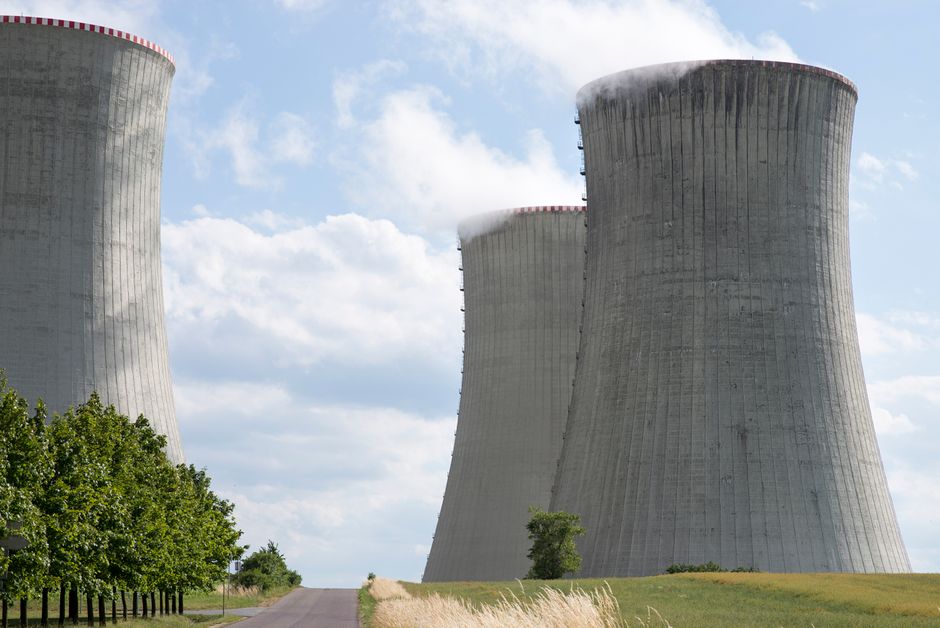
Photo: Vladimír Sládek
The Trump administration has selected five companies to negotiate rights to 19.7 metric tons of plutonium, some of it from dismantled nuclear warheads, and turn it into fuel for the next generation of American reactors. The pitch sounds elegant: solve a waste problem and a power shortage at the same time. The problem is that plutonium is not uranium, and the difference is not academic.
A grapefruit-sized piece of the material, in the wrong hands, could produce an atomic weapon roughly as powerful as the one the United States dropped on Nagasaki. Even inhaling its dust can be lethal. The element stays radioactive for 24,000 years. These are not edge-case engineering concerns. They are the central cost drivers for any facility that handles the stuff.
Ross Matzkin-Bridger, who spent his career at the Department of Energy working to secure plutonium stockpiles around the world, put it plainly: "This is weapons-usable plutonium. I'm very concerned that there are big pieces of the risk that the taxpayers are going to be tackling."
Why this is happening now
The immediate pressure is electricity. Data centers are multiplying across the country, and the power grid is straining to keep up. President Trump has set a goal to quadruple U.S. nuclear capacity by 2050, and the administration is casting around for every available fuel source to get there.
Plutonium has always been an awkward asset. Storing it is expensive, disposing of it is politically complicated, and the U.S. government has been trying for decades to figure out what to do with Cold War-era stocks. Last year, the administration halted an existing disposal program, clearing the path for this new fuel approach.
Oklo, one of the five companies in talks, argues the logic is sound: using plutonium as reactor fuel would at least eliminate the cost of the old disposal plan, which involved diluting and burying the material. Energy Secretary Chris Wright previously sat on Oklo's board, though a Department of Energy spokesperson said he recused himself from matters involving the company and forfeited unvested shares before joining the administration.
Who pays for the security
Here is where the plan gets genuinely contested. The Department of Energy expects that most workers at any plutonium-handling facility will require the highest-level security clearances. It has also said it does not expect to pay for "the specialized proliferation, security, and health protections required to process surplus plutonium." That cost falls to the private companies.
Oklo says it will invest in transport, fuel fabrication infrastructure, and all licensing requirements. But the company has not disclosed what it estimates those costs to be.
Representative Bill Foster, an Illinois Democrat and the only physicist currently serving in Congress, said his "brain goes on high alert" at the proposal. He warned that keeping any such facility "robust against terrorism" would likely require sky-high security spending, and called for close scrutiny of the economics before any project moves forward.
The concern is not that the technical challenge is impossible. The concern is that when the security, licensing, and safety costs are added up honestly, the fuel produced may cost far more than alternatives, and that if private companies cannot absorb those costs, the public eventually will.
There is also a timing issue. Oklo has described plutonium fuel as a bridge at least until the U.S. expands domestic production of a more enriched form of uranium, most of which is currently made in Russia. That bridge, if built, would require years of regulatory approvals, facility construction, and security infrastructure. The data centers need power on a much shorter timeline.
The plutonium is real, the energy demand is real, and the desire to solve both problems at once is understandable. What is not yet real is any evidence that the math works.