Vulcan Materials made $2.16 billion last quarter on America's building boom

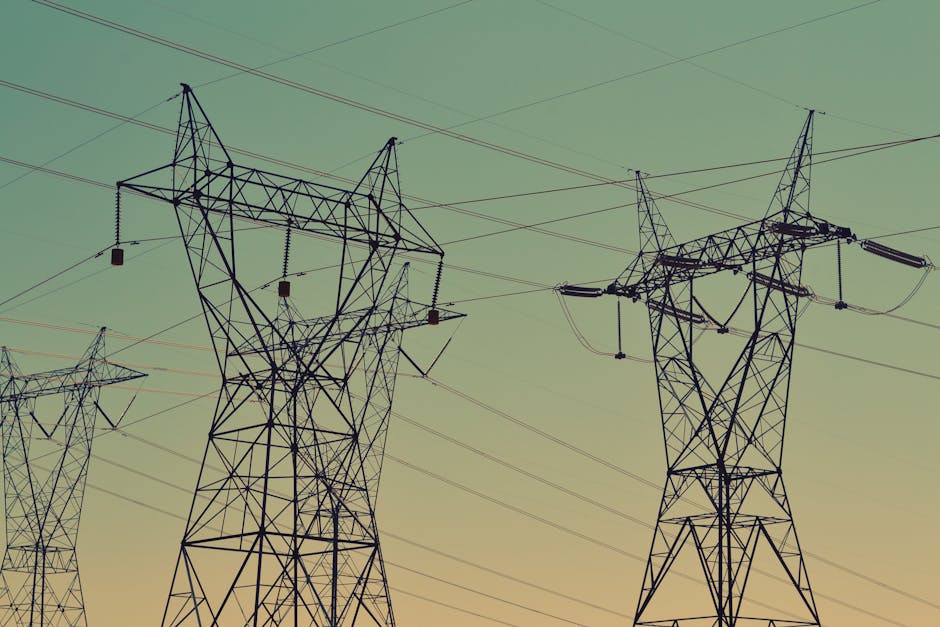
Photo: Miguel Delima
Vulcan Materials just reported $2.16 billion in quarterly revenue, beating Wall Street's expectations, and the story behind that number says something important about where the American economy is actually spending its money right now.
Vulcan is not a glamorous company. It mines and sells crushed stone, sand, and gravel, the raw materials that go under every road, building foundation, and data center floor in the country. When Vulcan does well, it usually means construction is doing well. And right now, construction is doing very well.
The company's adjusted profit came in at $2.59 per share for the quarter ended June 30, up from $2.45 a year ago and ahead of what analysts had forecast. Revenue rose about 3% from the same period last year.
What is driving the demand
Three forces are colliding to keep Vulcan's order books full. Federal infrastructure spending, which has been flowing through the economy since the infrastructure legislation of earlier this decade, is still generating projects. Data center construction is booming as technology companies race to build the physical infrastructure behind artificial intelligence. And energy projects, from pipelines to grid upgrades, are adding to the workload.
Together, these are the kind of large, long-duration projects that require enormous volumes of aggregate materials, the industry term for the crushed stone and gravel Vulcan sells. Shipments rose 1% in the second quarter compared to the same period a year ago.
That 1% growth sounds modest, but it came despite a significant drag. Heavy rainfall in Texas and parts of the Southeast during May and June disrupted shipments in some of Vulcan's biggest markets. The company also flagged higher asphalt costs and lower shipments in its non-aggregate division because of the weather. Strip out the weather disruption and the underlying demand picture looks stronger.
What this costs, and who pays
The complication in Vulcan's story is input costs. Geopolitical tensions and higher energy prices have pushed up what it costs to mine, process, and ship these materials. Quarrying and crushing rock is energy-intensive work, so when fuel prices rise, the cost of producing aggregate rises with them.
Those higher costs eventually travel downstream. Contractors building roads, bridges, and data centers pay more for materials, and those costs get folded into project bids. Publicly funded projects absorb the increase through government budgets. Private projects pass it on through higher construction costs, which ultimately land on whoever is financing the building.
For ordinary people, this transmission is slow and indirect. But it is real. Higher construction costs contribute to why new housing remains expensive to build, why infrastructure projects run over budget, and why the price of almost any major construction project has been sticky even as some other inflation has cooled.
CEO Ronnie Pruitt said on Wednesday that "the pipeline for strategic acquisitions remains active," signaling the company intends to grow through purchases as well as organic demand. Vulcan also reaffirmed its full-year operating profit forecast, which tells you their internal view is that current demand levels hold through the rest of 2026.
The bigger pattern here is that the physical economy, the one made of rock and concrete and steel rather than software and financial instruments, is running hot in ways that don't always make headlines but shape costs across the entire built environment. As long as data centers keep getting built, roads keep getting funded, and energy infrastructure keeps expanding, companies like Vulcan sit at a chokepoint. Every one of those projects starts with a truck full of crushed stone.