A $13.6 billion energy deal awaits its verdict in Brussels

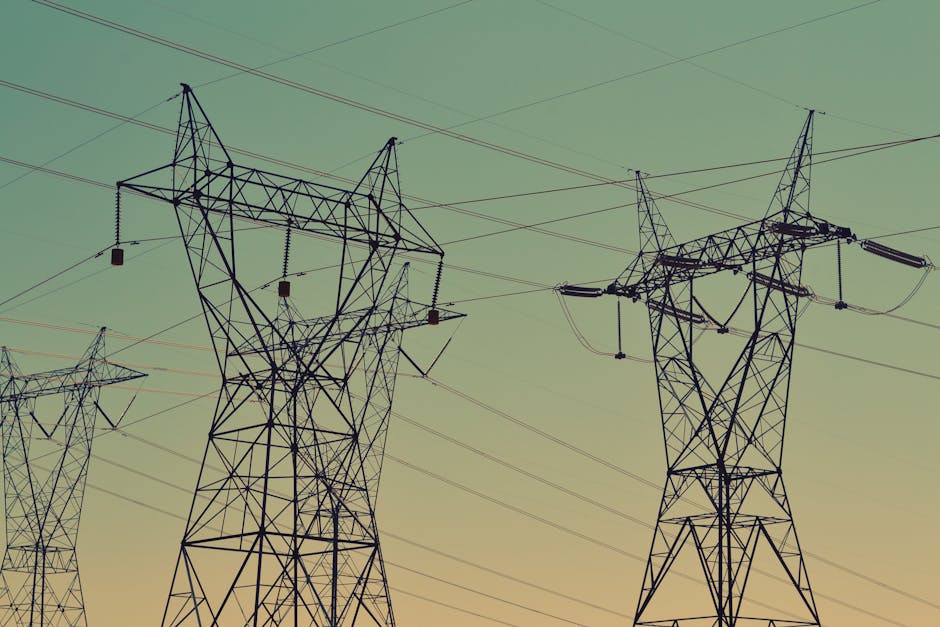
Photo: Diego F. Parra
By the end of next month, European regulators will determine whether one of the biggest consolidations in industrial energy equipment goes ahead or gets blocked. The European Commission has until June 26 to rule on Baker Hughes' $13.6 billion bid to acquire Chart Industries, a manufacturer whose equipment moves gas and liquid through some of the most critical infrastructure on the planet.
Baker Hughes announced the deal last July. The logic was straightforward: the company wanted a stronger foothold in two fast-growing markets, liquefied natural gas (LNG) and data centers, while adding Chart's manufacturing capabilities to its existing energy technology portfolio.
Chart is not a household name, but its products are everywhere in the industrial world. The company makes valves, measurement technology, and handling equipment for gas and liquids. It runs 65 manufacturing facilities and more than 50 service centers around the world.
Why Brussels gets a say
When a merger of this size involves companies that operate across the European Union, the European Commission steps in as the competition enforcer. Its job is to decide whether combining two major players would leave customers with fewer choices and less negotiating power, or whether it would simply create a more efficient competitor.
The Commission has three options by June 26. It can approve the deal outright. It can approve it with conditions, typically requiring the companies to sell off certain business lines or product categories to preserve competition. Or, if it has serious concerns, it can open a full investigation, which would extend the timeline significantly and add real uncertainty about whether the deal closes at all.
What hangs on the outcome
For LNG in particular, the stakes are substantial. Global demand for liquefied natural gas has surged as Europe moved away from Russian pipeline supplies after 2022, and the infrastructure to produce, move, and store LNG depends heavily on specialized equipment of exactly the kind Chart makes. A merged Baker Hughes and Chart would sit at an unusually powerful position across that supply chain.
The data center angle matters too. As artificial intelligence applications drive electricity demand to new heights, data center operators have been exploring gas-powered generation as a backup and primary power source. The equipment that controls how gas moves through those systems is increasingly valuable, and Baker Hughes clearly wants to own more of that value chain.
Whether regulators see this concentration as a problem depends largely on how they define the relevant markets. If Chart's products are specialized enough that few other companies can easily supply them, a merger could meaningfully reduce competition. If substitutes are available, the concern shrinks.
The broader pattern here is familiar. Large industrial deals are increasingly running into longer regulatory timelines, particularly in Europe, where competition enforcement has grown more assertive. Companies that once assumed big mergers would get a routine green light now build extended regulatory review periods into their planning. For Baker Hughes, the deal announced nearly a year ago still has no final answer.
June 26 is the deadline, not necessarily the decision. A cleared deal would let Baker Hughes move quickly. An investigation would push the question well into the fall, and possibly further. Either way, the companies and their customers in the LNG and data center sectors will be watching closely.