SpaceX is building its own gas pipeline and may drill its own wells

Photo: SpaceX
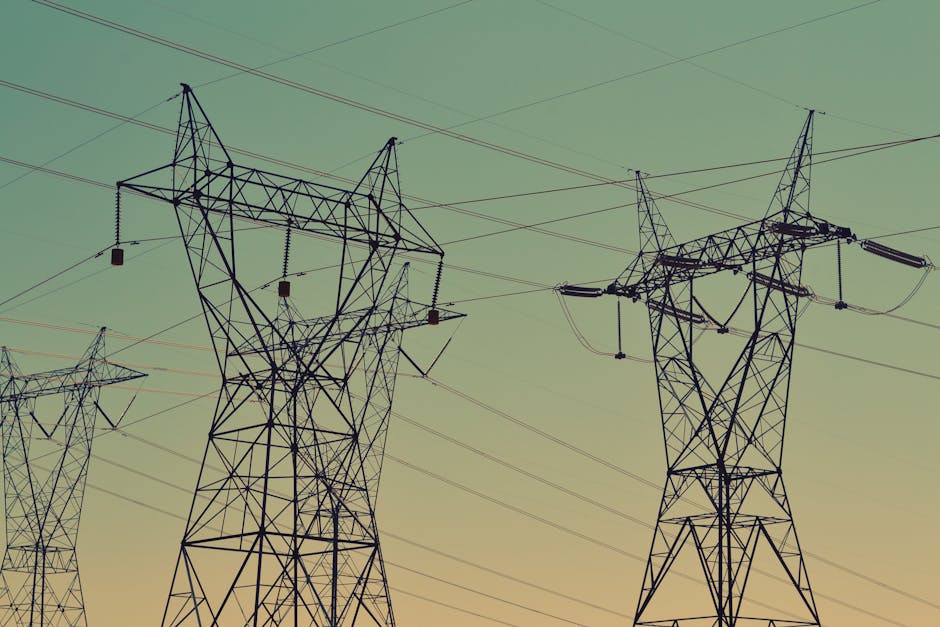
SpaceX is building an eight-mile natural gas pipeline in South Texas called "Starpipe," and the company's own filings suggest that is only the opening move in a plan to one day drill, process, and pipe its own rocket fuel from ground to launchpad.
That is an unusual thing for a space company to attempt. It is also a direct signal of how fast Elon Musk intends to fly.
The basic math
Each Starship launch burns roughly 630,000 gallons of liquid methane. Right now, SpaceX delivers all of that fuel by tanker truck, a convoy-intensive process that takes hours and caps how frequently the company can launch. Musk has stated he wants to go from dozens of launches per year to eventually hundreds, then thousands. Tanker trucks cannot scale to that. A pipeline can.
According to county filings reviewed by Reuters, SpaceX affiliate Lone Star Mineral Development plans to begin construction next month on a 16-inch pipeline connecting the Port of Brownsville to SpaceX's company town of Starbase on the Texas coast. The target completion date is January 26. Engineering plans filed with the U.S. Army Corps of Engineers show SpaceX also wants to build a liquefaction facility at Starbase to convert the piped-in natural gas into the liquid methane Starship actually burns.
The pipeline's diameter, according to Reuters, suggests fuel capacity exceeding what 25 Starship launches per year would require. That is the current annual launch rate the Federal Aviation Administration has approved. SpaceX is clearly building ahead of where the regulators currently sit.
A supply chain that starts underground
The pipeline may be just the beginning. SpaceX President Gwynne Shotwell told CNBC on June 12, when the company went public, that SpaceX planned to build pipelines, process its own propellant, and was actively looking into drilling its own natural gas.
Reuters reviewed Cameron County land records and found that SpaceX has signed more than 100 paid-up oil and gas leases with Texas property owners since 2023. That is the paper trail of a company seriously considering becoming its own upstream energy producer.
Stan Lindsey, an oil and gas consultant in Texas, called it a challenging pursuit for a company with no drilling experience. "I'm not saying it's beyond the realm of possibility," he told Reuters, but added that if the drilling plans fall short, Starpipe gives SpaceX "a fallback position." The pipeline itself could tap into Enbridge's Valley Crossing Pipeline expansion project, which would run close to Starpipe's starting point.
Why this matters beyond rockets
SpaceX has long operated on the principle that owning your supply chain beats depending on outside vendors. That logic built its reusable rocket business when no one thought reusability was economical. Applied to energy, it means SpaceX could one day control the fuel cost that sits beneath every single launch, insulating itself from natural gas price swings that would hit any competitor relying on spot market deliveries.
The Starbase facility is already central to SpaceX's near-term commercial ambitions: expanding Starlink broadband, deploying orbital data center satellites, and eventually carrying NASA astronauts to the moon under existing contracts. A higher launch rate directly accelerates revenue across all of those lines. So the pipeline is not an engineering curiosity. It is infrastructure that, if it works, turns Starship from an occasionally flying test vehicle into something closer to a production line.
The deeper pattern here is that SpaceX is doing something most aerospace companies never attempted: vertically integrating down into the energy sector, not just the hardware sector. Whether a rocket company can successfully become a gas driller is a genuinely open question. But the leases are signed, the pipeline is being built, and construction starts next month.