A flesh-eating parasite just reached Texas, and beef prices may follow
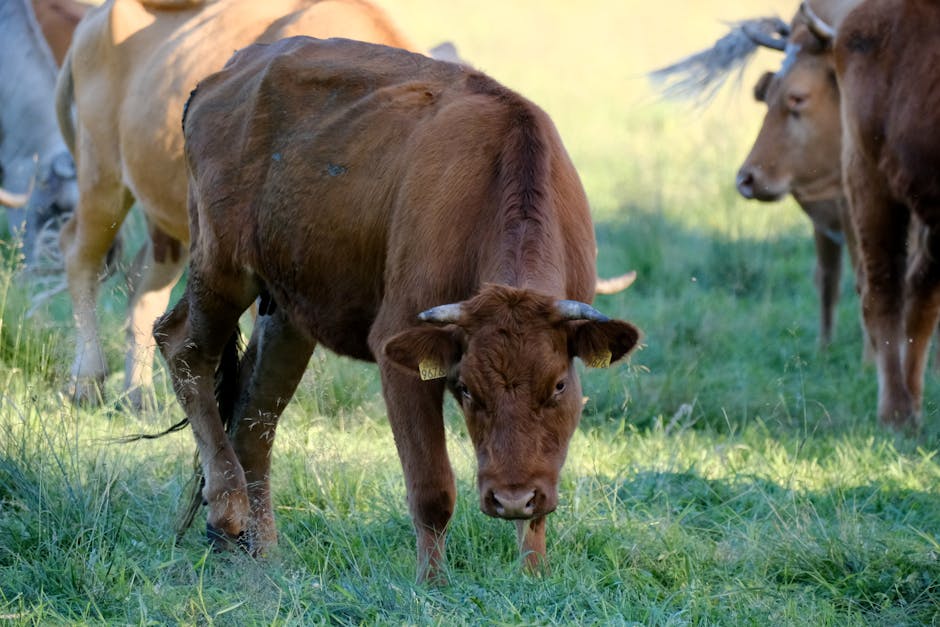
Photo: Roman Biernacki
The USDA confirmed Wednesday that New World screwworm, a flesh-eating parasite that burrows into living animals and kills them from the outside in, has been found in a Texas calf. It is the first confirmed case in the state since 1966. The cattle herd it is now threatening is already the smallest in 75 years, and experts say unchecked spread could cost Texas livestock producers up to $1.8 billion.
That combination, a pest arriving at the worst possible moment, sent feeder cattle futures on a wild ride Thursday. Prices first dropped as traders worried consumers would pull back from beef. Then they reversed sharply, climbing more than 3%. The reason for the swing tells you everything about the bind the US beef market is already in: even a disease outbreak could push prices higher, because there simply aren't enough cattle to absorb any additional losses.
How the herd got this thin
The US cattle supply has been shrinking for years, driven by a persistent drought that pushed up feeding costs and forced ranchers to sell off animals they could no longer afford to keep. That contraction left major meatpackers, including JBS, Cargill, and Tyson Foods, already struggling to find enough animals to run their processing plants at full capacity.
Screwworm arrives into that shortage like a spark near dry grass.
The parasite, which has been advancing north through Mexico over the past year, lays eggs in open wounds on livestock. The larvae eat living tissue. Animals that go unnoticed for even a few days can die. That last part is the practical nightmare: as Lee Haines, an associate research professor of biological sciences at the University of Notre Dame, put it, "the burden falls hardest on farmers who must monitor animals scattered across vast open rangeland, often going unobserved for days at a time."
USDA Secretary Brooke Rollins said Thursday that the agency believes it can contain this initial case. The agency has frozen animal movement in an area around the confirmed infection. The Meat Institute, representing processors, is already pushing back, urging USDA to allow "low-risk" shipments (animals moving directly to slaughter from farms with no sign of infestation) to continue. That tension between containment and commerce will define how this plays out in the coming weeks.
What this means at the grocery store
If screwworm spreads, it further shrinks a herd that was already producing a historically tight supply of beef. Tighter supply with steady or growing demand means higher prices, and beef has already been expensive. A $1.8 billion economic hit to Texas livestock alone would ripple quickly through the supply chain, landing eventually on anyone who buys ground beef, steaks, or fast food.
Even the possibility of that outcome was enough to move markets by 3% in a single session.
The deeper issue is structural. The US spent millions of dollars on prevention measures to keep screwworm out, and the parasite arrived anyway, most likely spreading through wildlife that cross borders without inspection. Containing it in a single calf is the optimistic scenario. Haines noted that once screwworm establishes itself in wildlife populations, eradication becomes exponentially harder. Wild deer, pigs, and other animals can carry and spread the fly without anyone noticing until domestic livestock start dying.
The US hasn't dealt with this pest in nearly sixty years. The ranching infrastructure, the monitoring protocols, the institutional knowledge of what a widespread outbreak looks like, are all a generation removed. Rebuilding that capacity quickly, while managing a herd already stressed by drought and tight margins, is the challenge now sitting on every Texas rancher's plate.