Boeing beat a fraud lawsuit. The bigger questions didn't go away.
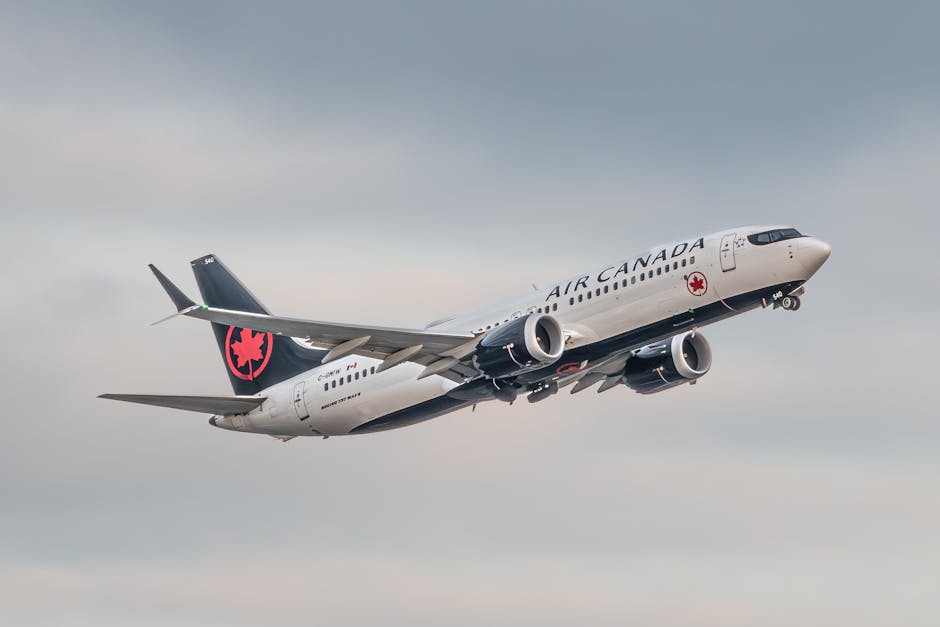
Photo: Airborne YVR
A jury took three hours to clear Boeing of fraud on Friday. The company had been accused of hiding a critical safety change from a major airline customer, a change later linked to two crashes that killed 346 people.
LOT Polish Airlines brought the case, arguing that Boeing withheld information about an altered flight-control system on the 737 MAX jets it sold the airline in the years before two fatal crashes, one in Indonesia in 2018 and one in Ethiopia in 2019. Those crashes triggered a 20-month worldwide grounding of the aircraft. LOT said the grounding cost it $153 million and asked the jury in U.S. District Court in Seattle to make Boeing pay.
After two weeks of trial, the jury said no in roughly three hours.
"We are gratified by the jury's verdict in our favor today," a Boeing spokesperson said. LOT acknowledged the outcome but kept the door open, saying "the legal process may not yet be concluded" and declining to comment further.
What the verdict actually decided
The jury's finding is narrow. It says LOT did not prove, to the standard required in a civil fraud case, that Boeing deliberately concealed the flight-control system change from the airline. That is a specific legal question about intent and disclosure in a commercial transaction, and the jury answered it in Boeing's favor.
It does not address whether the flight-control system itself was adequately designed. It does not address what regulators were or weren't told. It does not settle anything for the families of the 346 people who died.
For Boeing as a business, the verdict matters. A $153 million loss in a civil fraud case would have stung, but the real cost would have been the precedent: other carriers that were also grounded for 20 months might have felt emboldened to file similar suits. Boeing operates in a world where its commercial reputation with airline customers is foundational, and a fraud finding would have attached a label that does not wash off easily.
The longer reckoning
Boeing's legal exposure around the 737 MAX has been sprawling and uneven. The company reached a deferred prosecution agreement with the U.S. Justice Department years ago, paid billions in settlements, and more recently faced pressure to revisit those arrangements. The Friday verdict is one data point in a much longer legal and reputational story.
The more durable question hanging over Boeing is not whether it committed fraud against LOT specifically, but whether the sequence of decisions that led to two crashes reflects something structural about how the company managed safety, pressure, and disclosure during a period of fierce competition. That question is still being worked through in regulatory proceedings, congressional records, and public memory, none of which a civil jury in Seattle can close.
What the verdict does give Boeing is breathing room. It removes one financial liability and, at least for now, one damaging headline. LOT's hint at an appeal means this particular case may not be finished. But for a company that has spent years trying to rebuild trust with airlines, regulators, and travelers, winning a fraud trial is the kind of result it badly needed.
Whether it earned that result by being innocent of fraud, or simply by the plaintiff failing to clear a high legal bar, is a distinction worth keeping in mind.