Chevron is building a 2.67 GW gas plant just for Microsoft's AI

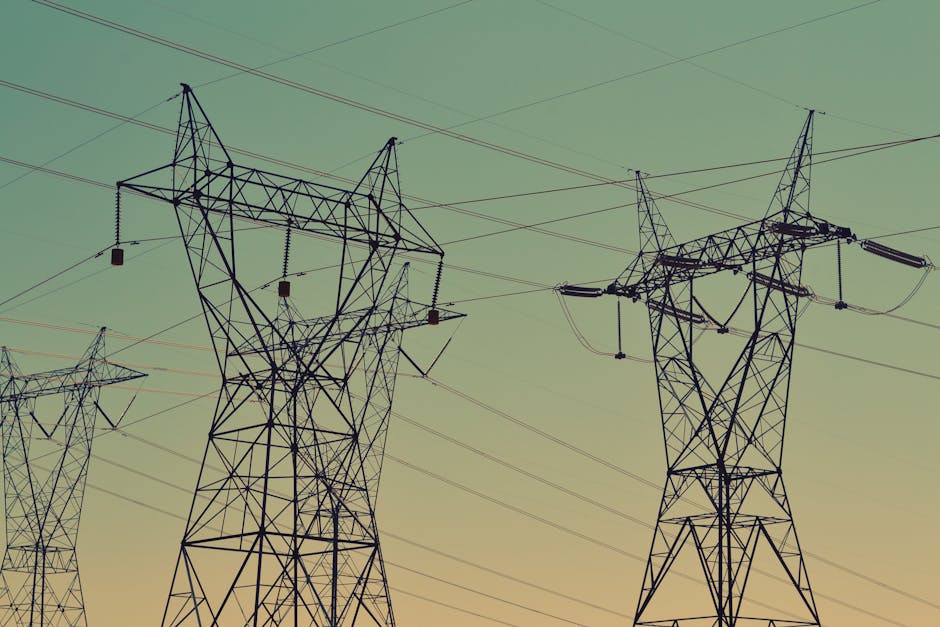
Photo: Tanhauser Vázquez R.
Chevron just committed to one of the largest dedicated natural gas power projects in American history, and the only customer is Microsoft.
The deal, announced Monday, ties Chevron to Microsoft for 20 years. A new power facility in Pecos, West Texas, called Project Kilby, will eventually generate 2.67 gigawatts of electricity, all of it flowing to a single data center campus built to run Microsoft's AI services including Copilot and the infrastructure behind ChatGPT. Chevron expects to make a final investment decision before the end of 2026, with first power arriving in 2028.
The campus itself represents a multi-billion-dollar investment from Microsoft spread over five to seven years. It is expected to support more than 6,000 construction jobs and hundreds of permanent roles in a part of Texas that does not have many of either.
Why a data center needs its own power plant
The honest answer is that the existing grid cannot keep up.
AI models are extraordinarily energy-hungry. Training and running them requires enormous computing clusters that run around the clock, drawing more power per square foot than almost any other industrial facility. The national grid was not designed for demand that large, that concentrated, or that constant.
So technology companies are increasingly going around the grid entirely. Instead of buying power from the shared network, they are contracting directly with energy producers to build dedicated generation right next to, or on the same property as, their data centers. This is what "co-located" means in practice: the power plant and the data center share a fence line, and the electricity never travels far enough to lose much of it or to compete with anyone else for it.
Project Kilby will run primarily on turbines from GE Vernova, with additional capacity from Solar Turbines, a subsidiary of Caterpillar. Chevron partnered last year with investment firm Engine No. 1 and GE Vernova to structure the project.
What this means beyond one deal
For West Texas, the immediate consequences are concrete. Construction jobs, permanent operations roles, and the kind of long-term institutional presence that comes with a 20-year supply contract. Pecos sits in an area where oil and gas employment has always been cyclical. A data center with its own captive power source is a different kind of anchor.
For the broader energy picture, the deal is a data point in a trend that is accelerating fast. Chevron calls this leveraging "America's natural gas advantage," and that framing is deliberate. The US sits on enormous natural gas reserves, and the combination of cheap feedstock, existing pipeline infrastructure, and flexible turbine technology makes natural gas the fastest path from blank land to reliable gigawatts. Renewables can eventually supply AI data centers, and some companies are pursuing that route, but the build timelines for large solar and wind projects, along with storage requirements for 24-hour reliability, make gas the default answer for anyone who needs power by 2028.
That creates a tension worth naming directly. Microsoft has committed publicly to ambitious climate targets, including a goal to be carbon negative by 2030. Locking in 20 years of natural gas generation, at this scale, will make those targets harder to hit unless offset technologies or carbon capture are layered on later. The Reuters report does not mention any such provisions in the Kilby deal.
The bigger pattern here is structural: AI is quietly becoming one of the most significant drivers of American energy infrastructure investment, and the decisions being made right now, about where to build, what fuel to use, and how long to commit, will shape the country's energy mix well into the 2040s.
A power plant with one customer, locked in for two decades, is not just a corporate supply deal. It is a bet on what the world looks like in 2046.