Curaleaf just bet $260 million on European weed. Green Thumb is watching.
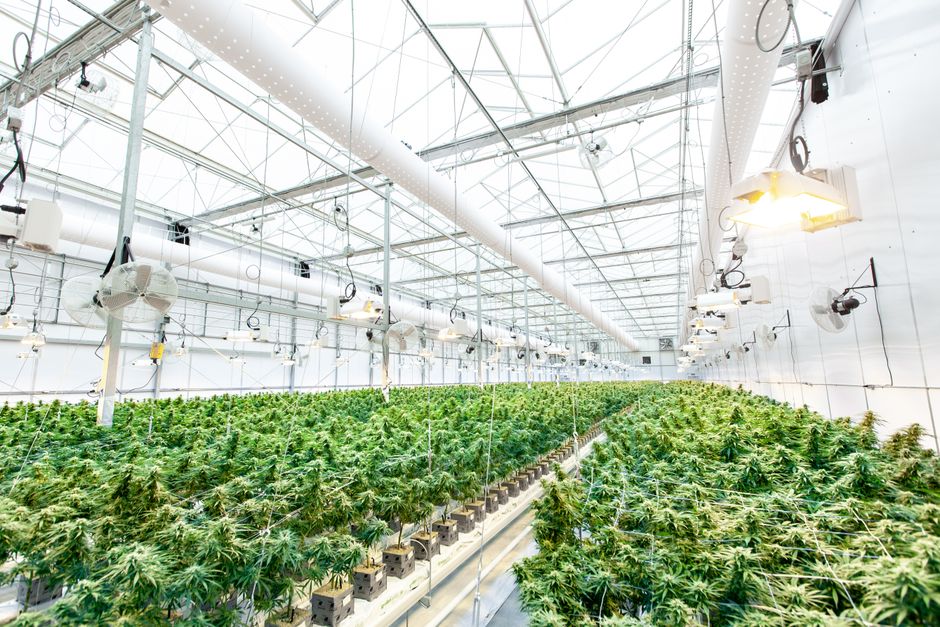
Photo: Richard T
Curaleaf just launched a $260 million takeover bid for Aurora Cannabis, and the move is less about Aurora than about what comes next for an entire industry that has been waiting years for a catalyst.
The offer, announced August 18, would give Aurora shareholders 0.3463 Curaleaf shares plus $0.75 in cash per share, working out to about $4 per Aurora share and capped at $5 if Curaleaf's stock climbs past a set threshold. Aurora closed Friday at $3.94, essentially at the bid price.
Aurora is not a trophy acquisition. The Canadian medical marijuana retailer lost money in its most recent quarter and carries $93.7 million in debt. What Curaleaf is actually buying is a foothold in Europe, where Aurora has real market share and a reputation for high-quality product. For a U.S. cannabis company eyeing a world beyond American dispensaries, that geography is the point.
The tax change that changes everything
The deeper story here is federal rescheduling. Cannabis is currently classified as a Schedule I drug under federal law, the same tier as heroin, which means cannabis businesses cannot deduct ordinary business expenses like rent on their federal tax returns. That single provision, known as Section 280E, has drained cash from profitable dispensaries for years.
The Drug Enforcement Administration recently wrapped up hearings on moving cannabis to Schedule III. The outcome is still pending, but if the reclassification goes through, those deductions become legal again. That means cannabis companies suddenly retain far more of the money they earn. More cash on hand means more capacity to do deals.
That is why Curaleaf's move now makes sense as a signal, not just a transaction. It is a bet that the regulatory window is opening and that companies with the balance sheet to act quickly will define the industry's shape for the next decade.
Green Thumb is watching
Green Thumb Industries, which operates more than 140 retail stores across 14 U.S. states, is the other major player the market is watching. It is one of the most consistently profitable cannabis companies in the country, and it has a history of acquisitions.
Whether Green Thumb moves aggressively into M&A or plays defense is a genuine open question. The company has been filing DEA registration applications for its medical facilities and expanding its share buyback program, both of which signal management confidence in its own balance sheet rather than urgency to buy someone else's. Those are not the moves of a company that feels it needs to rush.
The most likely outcome, based on what the company has shown, is disciplined dealmaking rather than a spending spree. Green Thumb would probably target acquisitions that extend its geographic reach or add specific operational capabilities, not bulk up for its own sake.
But there is a second possibility worth naming: Green Thumb could become a target. As the consolidation wave builds and larger capital, potentially from tobacco or alcohol companies looking for a cannabis entry point, starts circling the sector, the most profitable and well-run operators become attractive precisely because of their stability.
What this means beyond the dispensary
For ordinary consumers, consolidation in cannabis carries the same mixed promise it does in most industries. Bigger companies bring more consistency, better supply chains, and potentially lower prices over time. They also tend to flatten out the regional and craft diversity that has made state-legal cannabis markets feel locally rooted.
For the workers and small operators currently filling that space, a consolidation wave typically means fewer players, more standardized employment conditions, and in some cases, closures as redundant stores get folded or shut.
The rescheduling decision, when it finally lands, will be the moment this all accelerates or stalls. Companies like Curaleaf are not waiting to find out which. They are positioning now, on the assumption that the answer will be yes.