Cypress Creek just raised $3.5 billion to power the AI boom
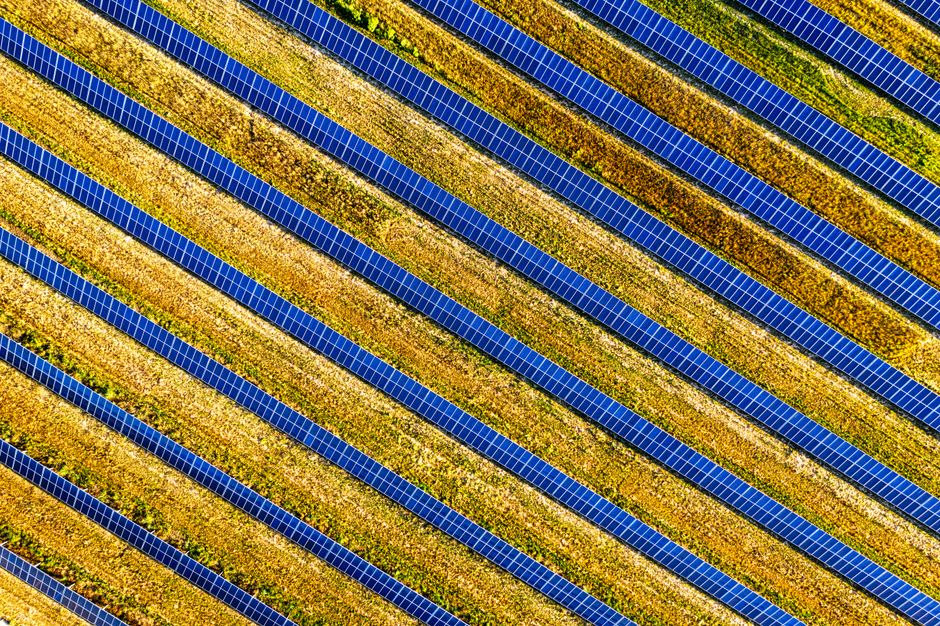
Photo: Tom Fisk
Cypress Creek Energy just secured $3.5 billion to build one of the largest solar and battery storage projects in the United States, and the company is making no secret of why: artificial intelligence is eating electricity faster than the grid can keep up.
The project is called the Arkansas Steel River Energy Center. When complete, it will deliver 2.45 gigawatts of solar capacity, enough to power roughly two million average American homes, alongside 2.9 gigawatt-hours of battery storage to keep that power flowing after the sun goes down. The first two phases alone add 1.63 gigawatts of solar and 1.9 gigawatt-hours of storage to the regional grid.
Why this is happening now
U.S. electricity demand hit record levels in 2025. The main driver is not population growth or an industrial comeback, though those play a role. It is data centers. Tech firms are building the computing infrastructure for AI workloads at a pace that utilities and grid operators are struggling to match. Google and Meta have both announced deals this year to lock up tens of thousands of megawatt-hours of battery storage, plus solar and other clean power, specifically for AI operations.
That scramble for reliable, large-scale electricity is what made a $3.5 billion financing deal possible. Barclays, BNP Paribas, Santander, and Wells Fargo underwrote the deal, with tax equity from an undisclosed major investor. Cypress Creek has also already secured long-term power sales through what is called a virtual power purchase agreement, basically a contract where a large buyer commits to purchase the electricity output at a set price before a single panel is installed. That kind of guaranteed revenue stream is what unlocks billions in financing for projects that otherwise carry years of construction risk.
What it means beyond the balance sheet
For ordinary Americans, this story operates on two levels.
The first is the grid itself. Energy storage capacity in the U.S. grew 32% in the most recent quarter compared to a year earlier, according to a joint report by the Solar Energy Industries Association and Benchmark Mineral Intelligence. That growth matters because solar power without storage is an intermittent resource. Batteries change that equation. A project like Steel River does not just add clean power to the grid; it adds reliable power, the kind that can be dispatched when demand spikes in the evening or during a heat wave.
The second level is about who the grid is being built for. The immediate customers here are tech giants running AI infrastructure, not residential customers looking for lower bills. That is not necessarily a problem, but it is a tension worth naming. More generation capacity on a regional grid generally helps keep wholesale electricity prices from spiking, which does eventually filter through to what households and small businesses pay. But the timeline for that transmission from "big project financed" to "my bill stabilizes" is long, and it is not guaranteed.
Cypress Creek expects all three phases of the project to be completed by 2029. That is three years of construction in Arkansas, bringing solar panels, battery systems, and grid infrastructure online in a state that is not typically associated with the renewable energy buildout concentrated along the coasts.
The bigger pattern here is a reshaping of where power investment flows. For decades, electricity infrastructure followed population. Now it increasingly follows compute. The places that can offer land, transmission access, and a permitting environment friendly to large projects are becoming industrial anchors for the AI economy, whether they set out to or not. Arkansas may be an unlikely symbol of that shift, but $3.5 billion has a way of making things legible.