Hungary may finally unlock frozen EU cash after years of standoff
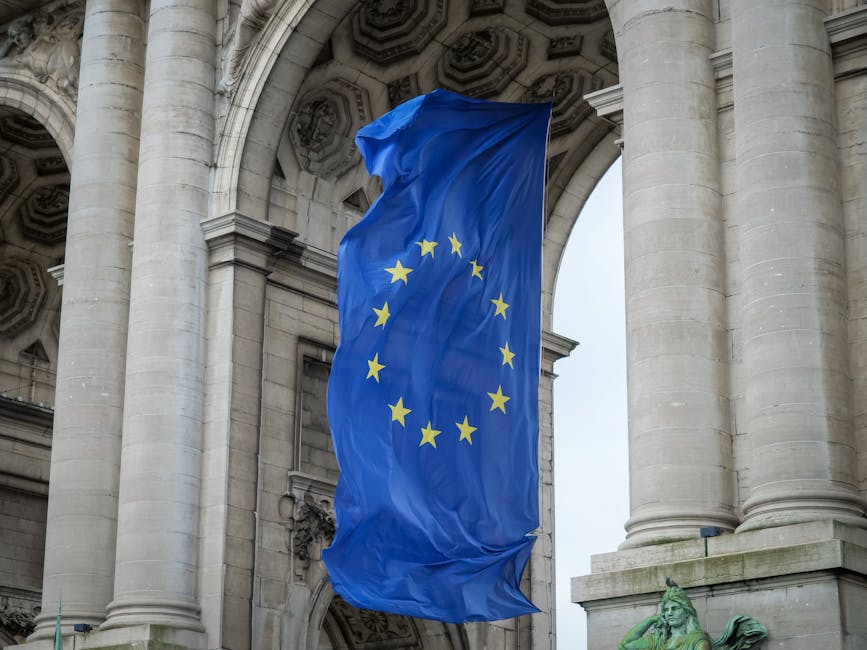
Photo: Petrit Nikolli
Hungary has been locked out of billions in European Union money for years. That may be about to change.
Prime Minister Peter Magyar said Saturday that negotiations over the suspended funds are "progressing well" and that he plans to travel to Brussels on Thursday to sign a deal releasing them. He told TV channel RTL that he had spoken with European Commission President Ursula von der Leyen multiple times recently and exchanged letters on the subject.
The details of the agreement haven't been made public yet. Magyar said he plans to announce them on Thursday, the same day he meets NATO Secretary General Mark Rutte and Belgian Prime Minister Bart De Wever.
Why this matters now
Magyar inherited a difficult economic situation when he took office. Hungary's budget deficit had ballooned, and the economy had barely pulled itself out of recession in the first quarter of 2026 after years of near-stagnation. The government is now projecting GDP growth of around 2% for the year, possibly slightly higher, but that forecast is hard to meet without plugging the gap in public finances.
The suspended EU funds represent one of the most direct levers available. The European Union had withheld money from Hungary over concerns about rule-of-law and democratic standards under the previous government. Restoring access would give Magyar's administration fiscal breathing room it badly needs.
What it means for ordinary Hungarians
When a government is running a large deficit and cut off from outside funding, the options narrow quickly. It can borrow at higher rates, cut public services, raise taxes, or let inflation do the work. All of those paths carry real costs for people: higher borrowing costs on mortgages and car loans, slower public investment, or a quiet erosion of purchasing power.
Unlocking EU funds doesn't fix all of that overnight, but it shifts the government's bargaining position. It means Hungary can fund more of its spending at lower cost than it would face on open bond markets, and it reduces the pressure to make sharp cuts or tax increases to close the gap.
For businesses operating in Hungary, the signal matters too. Years of frozen EU funds created uncertainty about whether large infrastructure or investment projects would proceed. A deal restores at least some of that pipeline.
The bigger picture
Magyar's Brussels trip is about more than money. Hungary under the previous government had positioned itself as the EU's most difficult member, blocking joint decisions on Ukraine aid and maintaining close ties with Moscow. Magyar came to power on a different platform, and his willingness to negotiate with Brussels, and to travel there personally to sign a deal, signals a deliberate shift in posture.
Whether the deal holds will depend on what commitments Hungary makes in return. The EU does not release frozen funds without conditions attached, typically reform benchmarks tied to judicial independence, anti-corruption measures, or procurement rules. Those conditions shape what the money can be spent on and how quickly it flows.
The announcement Thursday will be the first real test of whether this is a durable reset or a one-time transaction. If the terms are credible and Hungary follows through, it opens the door to a more stable relationship with the bloc and the investment climate that comes with it.