Magnolia just spent $4 billion to own more of South Texas

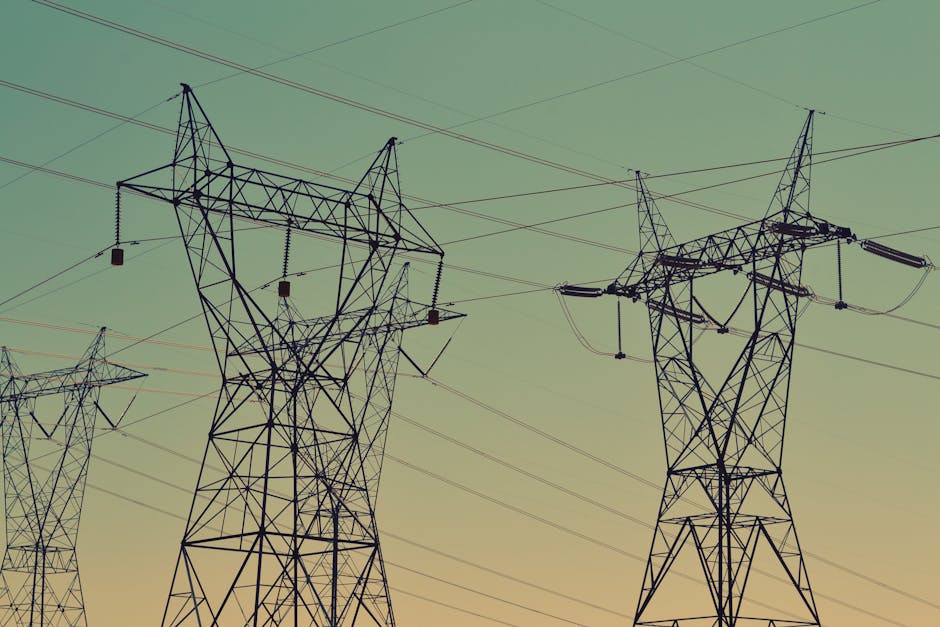
Photo: zhou shen
Magnolia Oil & Gas has agreed to pay $4.06 billion for WildFire Energy, and the company is betting that owning more of the same patch of South Texas is worth every dollar. Analysts and investors will be watching whether that logic holds up as oil prices remain volatile and the era of blockbuster shale megamergers has visibly cooled.
The deal, announced Monday, centers on the Giddings field, a producing area that sits above three overlapping rock formations: the Austin Chalk, the Eagle Ford, and the Woodbine. WildFire brings roughly 810,000 net acres to the table, more than doubling Magnolia's position there to over 1.25 million net acres. That scale, in theory, gives Magnolia the ability to plan longer drilling campaigns, spread overhead costs across more wells, and keep more of the money each barrel generates.
What Magnolia is actually buying
The acreage is only part of the story. WildFire also owns a sand mine that currently supplies about 80% of Magnolia's annual sand needs, plus more than 500 miles of gas gathering pipelines. Sand is a critical input for hydraulic fracturing, the process that unlocks oil and gas from shale rock. Owning the supply rather than buying it on the open market is a meaningful cost advantage, and it reduces Magnolia's exposure to supply-chain disruptions that have periodically squeezed shale producers.
Magnolia CEO Chris Stavros described the acquisition as "a hand-in-glove fit," pointing to what he called focused, high-quality assets with a low capital reinvestment rate and steady free cash flow. That last phrase matters: free cash flow is what's left after a company pays its drilling and operating bills, and it's what funds dividends, buybacks, and debt repayment. The company says the combined operation should generate more than $100 million in annual cost savings and operational synergies.
Under the deal's terms, WildFire's owners will receive 32.2 million newly issued Magnolia shares. Magnolia will also absorb $600 million of WildFire's debt, notes due in 2029. The deal is expected to close late in the third quarter of 2026.
On the same day, Magnolia raised its quarterly dividend by 9%, to 18 cents per share. The company also lifted its standalone production growth forecast for 2026 to 6%, up from 5%, after reporting second-quarter output of around 106,100 barrels of oil equivalent per day.
The broader pattern
This deal is small by the standards of the last shale merger wave, which produced combinations worth tens of billions of dollars. But it reflects something durable in the industry's logic right now. With the easiest acreage already acquired and oil prices offering less of a cushion than they did two years ago, producers are shifting their ambitions from expansion into new basins toward locking down and optimizing what they already operate.
Owning a contiguous block of land, a dedicated sand supply, and the pipelines to move the gas means fewer outside vendors, fewer bottlenecks, and more predictable costs. That is a different kind of growth from drilling into new territory, and it is increasingly the kind Wall Street rewards in an environment where capital discipline matters as much as production volume.
For the communities and workers in South Texas, a larger, better-capitalized Magnolia with lower operating costs and a stated commitment to shareholder returns likely means more sustained drilling activity than a smaller, standalone WildFire might have supported on its own. Whether that translates into lasting employment gains depends on how aggressively the company pursues the cost savings it has promised, and how much of that $100 million annual target comes from consolidating labor rather than consolidating pipelines.
That detail, Magnolia has not yet disclosed.