Tesla and NatPower are betting $5 billion that Europe can't store enough power

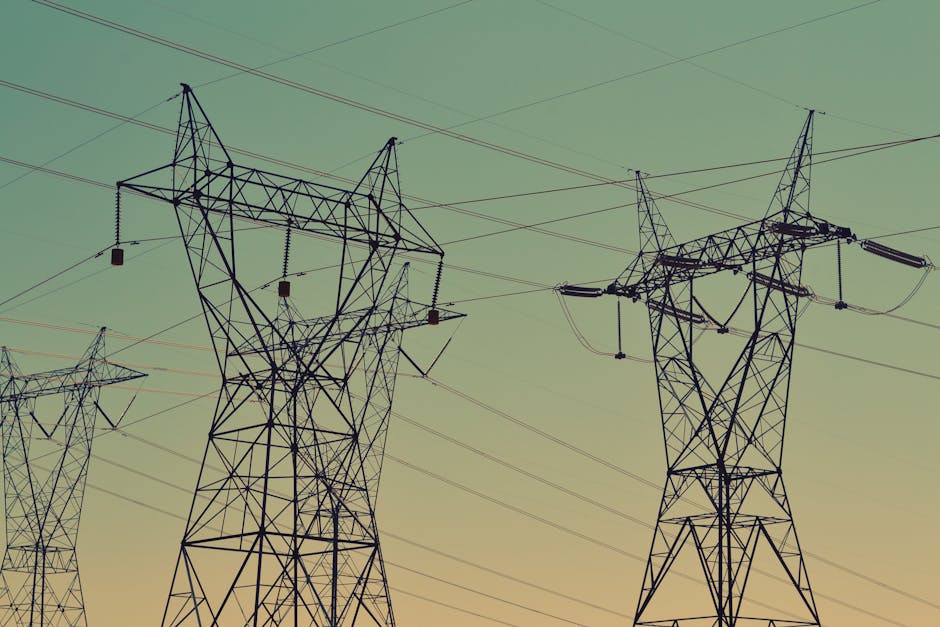
Photo: Jae Park
Tesla and NatPower just signed a deal to build 25 gigawatt hours of battery storage across Italy and Britain, the opening move in a construction program worth up to $5 billion. The bet behind it: Europe is adding solar and wind capacity faster than it can store the electricity those sources generate, and that gap is a business opportunity large enough to anchor a 20-year revenue stream the two companies estimate at over $15 billion.
The deal, announced Tuesday, covers five initial projects and uses Tesla's Megapack units, the large industrial battery systems the company sells to utilities and grid operators. NatPower will also run Tesla's trading software, which decides in real time when to buy electricity from the grid and when to sell it back. That software is arguably as important as the hardware. A battery sitting idle during the wrong hours earns nothing. One that charges when solar output floods the grid and discharges when demand spikes in the evening earns on every cycle.
Why Europe needs this now
The underlying problem is a familiar one. Solar panels and wind turbines generate electricity when conditions allow, not when people want to use it. Until recently, Europe managed this by keeping gas plants on standby to fill the gaps. That worked, but it kept fossil fuels embedded in a grid nominally transitioning away from them.
Battery storage offers a different answer: capture surplus renewable electricity and release it on demand. But the buildout has been slower than the renewable rollout it is meant to support.
SolarPower Europe, an industry group, released a report the same day estimating that the European Union will reach roughly 470 gigawatt hours of total battery storage capacity by 2030, up from 77 gigawatt hours today. That sounds like rapid growth, and it is. But the group calculates the EU needs 600 gigawatt hours to meet its own security and climate targets. At current trajectory, Europe arrives at 2030 short by about a fifth.
Europe did install 36 gigawatt hours of new battery storage last year, up 48 percent compared to the year before. Germany, the UK, and Italy led the continent. Ukraine and Bulgaria posted the fastest growth rates. By 2030, utility-scale projects like the NatPower-Tesla sites are projected to account for roughly three quarters of Europe's annual storage market, up from just over half last year.
What this means beyond Europe
The NatPower-Tesla deal is structured to be copied. NatPower CEO Fabrizio Zago described what they built as "an ecosystem that enables alignment between capital and execution, and that can be replicated across multiple markets." That language matters. The plan eventually targets more than 100 gigawatt hours of capacity total, roughly four times the size of the current first phase.
For Tesla, this is also a signal about where the company's energy business is heading. Megapack sales have grown into a meaningful revenue line, and large utility contracts provide the kind of predictable, multi-year demand that car sales do not. A $5 billion construction commitment with a partner who intends to expand is exactly the pipeline that justifies scaling Megapack production further.
For ordinary electricity users in Britain and Italy, the near-term effect will be indirect. More storage capacity on a grid tends, over time, to reduce the price spikes that occur when renewable output suddenly drops and gas peakers have to compensate at short notice. Those spikes feed through to household bills. They also feed through to industrial energy costs, which affect the price of nearly everything manufactured locally.
Europe's grid is being rebuilt in real time, and storage is the piece that makes renewable-heavy systems stable rather than fragile. The continent is moving in the right direction, as SolarPower Europe put it, but not yet fast enough. A $5 billion bet from Tesla and NatPower is, at minimum, evidence that the private sector thinks the gap is worth closing.