Uber is suing NYC to keep the power to fire its drivers
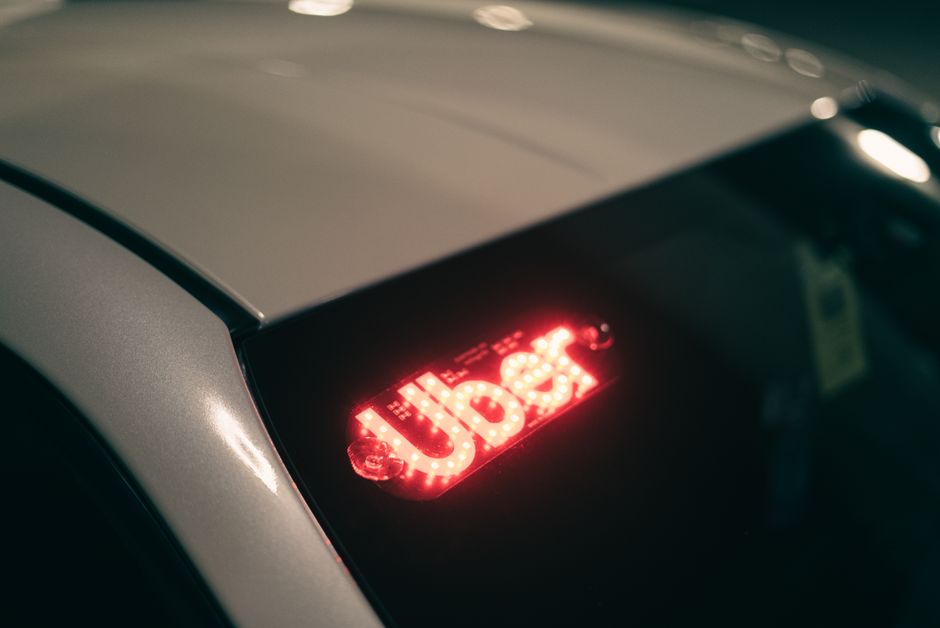
Photo: Erik Mclean
Uber filed suit against New York City this week to block a law that would limit its ability to remove drivers from the platform, and the company is framing the fight in blunt terms: keep this law in place, and passengers are in danger.
The law in question, Local Law 52, passed the City Council 46 to 5 in January and is set to take effect July 28. It would require large ride-share companies to show a genuine business reason or "just cause" before deactivating a driver. Dismissals would still be permitted for fraud, account sharing, and what the law calls "egregious misconduct," including violence, sexual harassment, and discrimination. But outside those defined categories, Uber would lose the broad discretion it currently holds to remove drivers at will.
Uber filed its complaint in Manhattan federal court Tuesday night, asking for a permanent injunction and costs. It argues the law violates its free-speech and due-process rights under both the U.S. Constitution and New York's state constitution.
Why Uber is alarmed
The company's sharpest objection is about timing. Under the law, Uber would have to give drivers 14 days' notice before deactivation. Uber says that window creates an opening for a driver to retaliate against the passenger who reported them. That is not a hypothetical concern the company invented: as of June 1, Uber was named in 3,571 lawsuits filed in federal court in San Francisco by passengers accusing drivers of sexual misconduct.
Uber also objects to being potentially forced to reinstate drivers who were removed as far back as 2019, because those earlier deactivations did not follow the new notice requirements. And it takes particular issue with a privacy provision that would require passengers to share their abuse reports with the accused driver as part of any dispute process.
The company called the arbitration and agency proceedings the law creates "kangaroo" proceedings, arguing the structure presumes deactivations are unjust and shifts the burden to Uber to prove otherwise.
Why the city passed the law anyway
Drivers, for their part, are not wrong that the current system leaves them exposed. Under Uber's existing rules, the company can deactivate an account with little explanation and limited recourse. For the roughly 80,000 drivers who work through Uber in New York City, that can mean losing their primary income with almost no warning and no clear path to appeal. The law was a direct response to that precarity.
The tension here is genuine and not easy to resolve. Uber is not wrong that fast removal of dangerous drivers protects passengers. Driver advocates are not wrong that unchecked deactivation power can be, and has been, used in ways that are arbitrary or discriminatory.
What happens next
New York City's law department said it is reviewing the complaint. Lyft, which would also fall under the law, had not commented as of Tuesday.
Whether a federal court grants an injunction before July 28 will determine whether the law ever takes practical effect. If the court blocks enforcement while the case proceeds, the status quo stays in place for months or years, regardless of how the underlying legal questions are eventually resolved.
The deeper issue outlasts this lawsuit. New York City has been the most aggressive American city in regulating gig-economy labor conditions, from minimum earnings guarantees for delivery workers to pay floors for ride-share drivers. Each new rule has tested the same basic question: when a company controls access to your livelihood but calls you an independent contractor, how much protection does the law owe you? That question does not have a settled answer, and courts, city councils, and companies are going to keep arguing about it for a long time.