US drillers just added the most rigs in four years

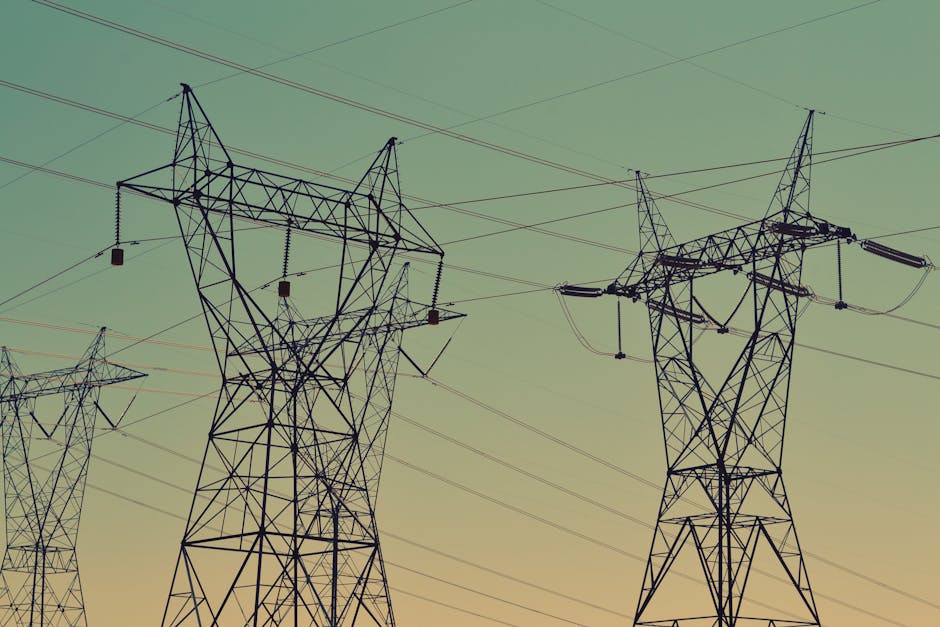
Photo: Thomas Parker
American energy companies just made their biggest push to drill new wells in four years, and the reason tells you a lot about where oil and gas prices, electricity bills, and geopolitics are all heading at once.
Baker Hughes, the energy services firm that tracks drilling activity across the country, reported Friday that the total number of active oil and gas rigs rose by 10 in the week ending June 26. That is the largest single-week jump since June 2022. The total now sits at 573 rigs, the highest count since May 2025, and sits 5% above where it was this time last year.
Why drillers sat on their hands for three years
The story behind that number is as much about restraint as it is about acceleration. The rig count fell 20% in 2023, another 5% in 2024, and 7% again in 2025. That wasn't because America ran out of oil. It was because energy companies, burned by years of boom-and-bust cycles, made a deliberate choice to pay down debt and return cash to shareholders rather than pour money into new production. Cheap oil prices gave them little incentive to do otherwise.
That calculus is shifting.
Prices for West Texas Intermediate crude, the US benchmark, are expected to rise through 2026 because of supply disruptions tied to the Iran war. Higher prices mean that drilling a new well is worth it again. So companies are drilling.
Texas, which produces more oil and gas than any other state, accounted for seven of the ten new rigs added this week. Its total climbed to 268, the highest since May 2025.
What more drilling actually means
Rig counts are an early signal, not an immediate outcome. It takes months for a new well to move from drilling to producing. But the direction is clear. The US Energy Information Administration projects crude output will grow from a record 13.6 million barrels per day in 2025 to 13.7 million barrels per day in 2026.
On the natural gas side, the numbers are bigger. Gas rigs rose by three to 125 this week, and the agency projects total gas output will jump from a record 107.7 billion cubic feet per day in 2025 to 111 billion cubic feet per day in 2026. Two forces are pulling gas demand upward simultaneously: the explosive growth of power-hungry data centers that need electricity around the clock, and rising exports of liquefied natural gas to overseas buyers.
For ordinary Americans, the implications branch in different directions. More domestic oil production can put modest downward pressure on gasoline prices over the medium term, though global markets ultimately set the price, and the Iran war is a wildcard that could offset any production gains quickly. More gas production matters more directly for your utility bill, since natural gas generates a large share of US electricity, and for the economics of AI infrastructure that increasingly shapes the broader economy.
The deeper pattern here is one of energy companies finally believing, after three years of skepticism, that prices will stay high enough to justify long-term investment. When producers collectively make that bet, production tends to rise, which eventually moderates prices, which can cool the incentive to drill. That cycle is slow and noisy. But the turn in the rig count suggests the industry has decided the current price environment is real, not a blip.
The next thing to watch is whether output actually follows the rigs. If it does, the US will be producing more oil and gas than it ever has in its history, which matters for trade balances, for the country's leverage in energy geopolitics, and for whether Americans pay more or less to heat their homes and fill their tanks next winter.