A $3 billion bet on cleaner jet fuel, built in Brazil's northeast
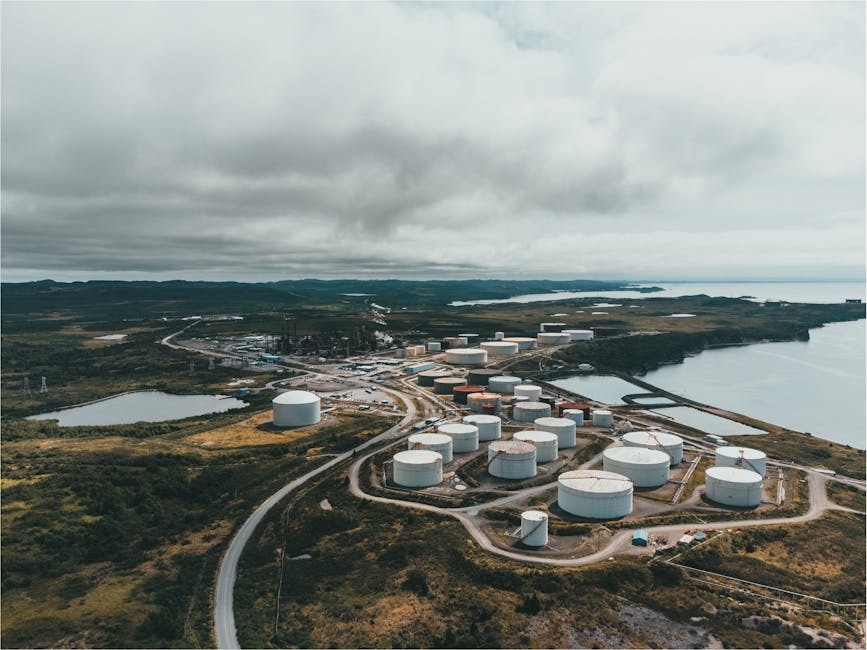
Photo: Erik Mclean
The next time an airline promises a greener flight, part of that claim may trace back to a patch of northeastern Brazil where a native palm tree is about to become a major industrial crop.
Acelen, a Brazilian refiner owned by Abu Dhabi's sovereign wealth fund Mubadala, announced Thursday that it has secured $1.5 billion in financing to begin construction of a biofuels refinery in the state of Bahia. The full project is expected to cost around $3 billion. A group of 10 financial institutions, led by HSBC and the World Bank's International Finance Corporation, is backing the first half.
The refinery is designed to produce up to 1 billion liters per year of sustainable aviation fuel (SAF), a category of jet fuel made from biological sources rather than petroleum, and renewable diesel. It is expected to begin operations in 2029.
Why this matters beyond the runway
Aviation is one of the hardest parts of the economy to decarbonize. Planes cannot run on batteries at commercial scale. For now, SAF is the most viable path the industry has toward lower emissions. Airlines, facing pressure from regulators and corporate travel clients, have been signing long-term SAF supply commitments. The problem has always been supply: there simply isn't enough of the fuel being produced to matter yet.
A refinery producing a billion liters a year would be a meaningful addition to global capacity. For context, global SAF production in recent years has remained a fraction of a percent of total jet fuel consumption. This single facility would not solve the gap, but it would move the needle.
The feedstocks are part of what makes this project unusual. Acelen plans to use soybean oil and used cooking oil, which are common in biofuel production, but also macauba, a native Brazilian oilseed palm. Macauba grows in degraded land and requires less water and fertilizer than many competing crops, which matters both for the economics and for the environmental credibility of the fuel. Whether macauba can scale to industrial volumes is still an open question, but Brazilian researchers and producers have been working on it for years, and this project is the largest commercial test yet.
Who wins from this, and who is watching
Bahia's economy gets a major infrastructure investment in a region that has historically lagged Brazil's wealthier south. Construction jobs come first, followed by agricultural supply chains for macauba cultivation. If the project performs, it becomes a template for similar investment across Brazil's interior.
For Mubadala, this fits a broader pattern. Abu Dhabi has been deploying its sovereign wealth globally into energy transition assets, taking positions that allow it to stay relevant in a world that is slowly reducing its dependence on Gulf oil. Owning a major SAF refinery in Brazil is a hedge: if clean aviation fuel becomes mandatory in key markets, Mubadala will be a supplier.
For airlines and the passengers who fly them, the practical effect is further out. SAF today costs significantly more than conventional jet fuel, and those costs get passed through ticket prices. More production capacity tends to push prices down over time, but the 2029 start date means the market impact is years away.
The World Bank's involvement is a signal worth noting. The International Finance Corporation typically takes on projects where commercial lenders alone won't carry the risk, especially in emerging markets. Its presence here suggests the financing required a credibility anchor, and that other lenders needed reassurance before committing.
Whether the project arrives on schedule and at budget is the question that will define its legacy. Large refinery construction is notoriously prone to delay and cost overrun. The 2029 target is ambitious. But the money is now committed, the land is in Bahia, and the macauba is waiting to be planted.