A U.S.-owned gas tanker just caught fire at Egypt's Mediterranean port

Photo: Punit Singh
Energos Infrastructure, a U.S.-based energy company, had a floating gas storage vessel struck by a drone at Egypt's port of Damietta on Wednesday, and security analysts say the incident may be the clearest sign yet that the Middle East conflict is spreading to new ground.
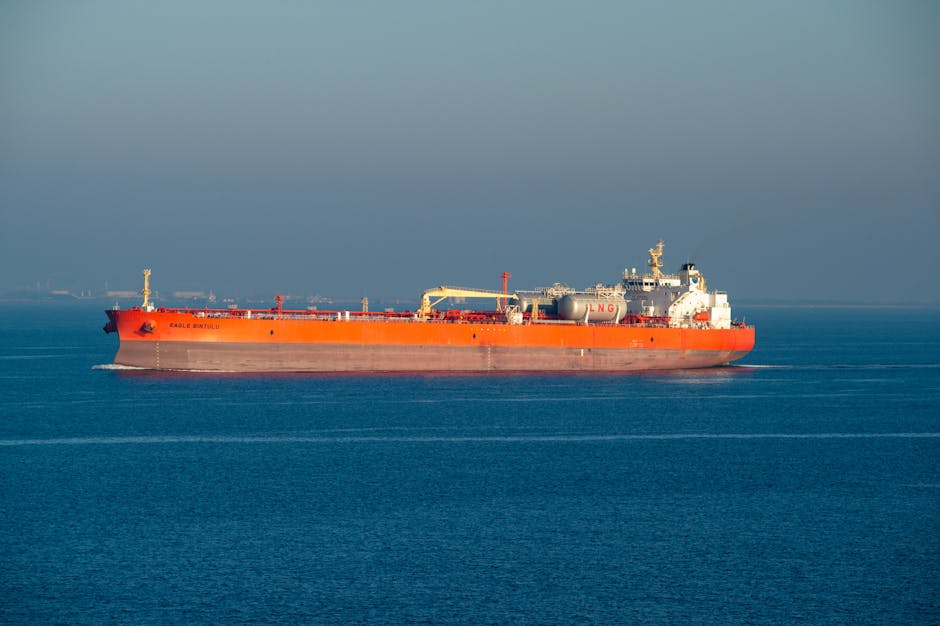
The targeted vessel, the Energos Winter, is a floating storage and regasification unit, meaning it stores liquefied natural gas and converts it back into usable gas for the grid. It holds up to 138,250 cubic meters of gas. The fire that broke out on the Energos Winter spread to a second tanker docked nearby, the Gaslog Salem, according to three trading sources familiar with the incident.
No one has claimed responsibility.
Egypt's petroleum ministry confirmed a fire at Damietta but did not mention a drone. It said the fire caused no injuries or fatalities and was handled under emergency response plans. Port services firm Inchcape reported two gas tankers had caught fire. Two separate security sources told Reuters the likely cause was a drone strike.
Why this matters beyond one fire at one port
Damietta is not a minor facility. It sits on Egypt's northern Mediterranean coast and handles liquefied natural gas exports, making it part of the supply chain that moves fuel from the Middle East and North Africa toward European buyers. Egypt has been an increasingly important gas transit point, especially as European countries have worked over the past few years to reduce their dependence on Russian energy.
A strike on a floating gas storage unit at a Mediterranean export terminal is a different category of event from attacks on shipping further east. It puts energy infrastructure in a country not directly a party to the regional conflict in the crosshairs. Two security sources described the incident as potentially signaling a further spread of conflict across the Middle East.
That phrase, "further spread," is doing a lot of work. The Red Sea has seen roughly two years of attacks on commercial shipping linked to the conflict. Those attacks have already raised shipping insurance costs, diverted vessels around Africa, and contributed to higher freight rates on goods moving between Asia and Europe. An escalation to Mediterranean port infrastructure would put pressure on a different and arguably more critical node of European energy supply.
For the average European household or American consumer of goods shipped through the Mediterranean, the immediate impact of a single incident is limited, especially since Egypt's ministry says the fire was contained quickly. But the pattern matters more than any one event. Each expansion of the conflict's geographic reach raises the probability that insurers reprice Mediterranean routes, that tanker operators add security premiums, and that buyers of Egyptian gas begin stress-testing alternative supply arrangements.
The Energos Winter is managed by Wilhelmsen Ship Management, also a U.S. company, which means American corporate assets were directly targeted. That detail may draw attention in Washington in ways that earlier attacks on vessels flagged or owned elsewhere did not.
For now, there are more questions than answers. Who launched the drone, and from where, are unknown. Whether the Energos Winter and Gaslog Salem are functional or significantly damaged has not been confirmed. Egypt's petroleum ministry said technical teams were still assessing the impact.
What is clear is that a floating gas storage unit at a Mediterranean export port, owned by a U.S. company, is now on fire. That is a sentence that would have seemed unlikely two years ago. The speed with which it becomes ordinary is worth watching.