Argentina is cutting export taxes to zero. Here is who wins.
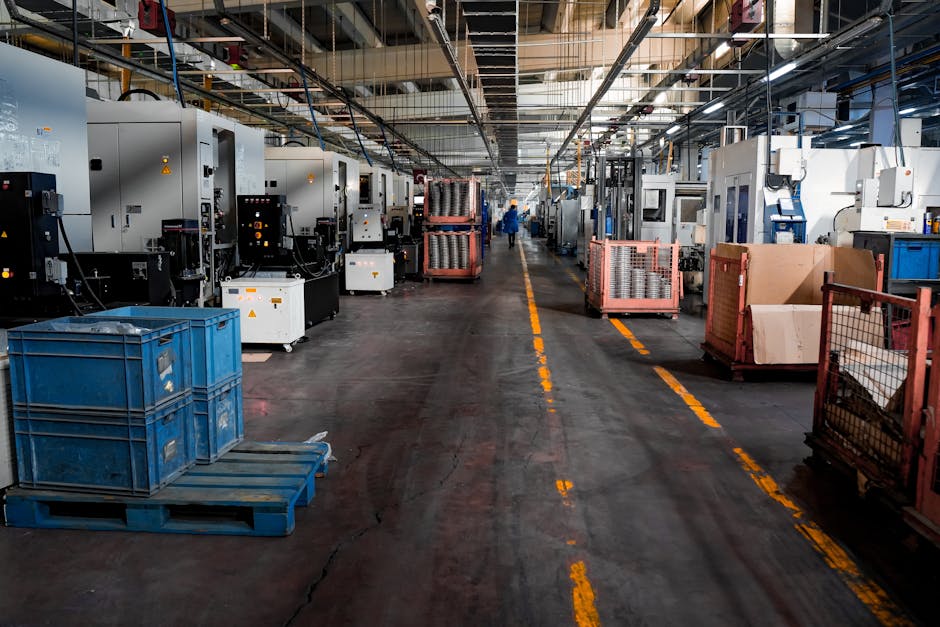
Photo: Yetkin Ağaç
Argentina is making a quiet but significant bet: that removing a tax on its most industrially complex exports will pull the economy forward after years of contraction and crisis.
The country's economy ministry announced Friday that export taxes on automotive, petrochemical, chemical, rubber, and machinery products will be phased down to zero over the 12 months starting this July. The current rate sits at 4.5%, and it will drop by a fixed slice (0.375 percentage points each month) until it disappears entirely. Economy Minister Luis Caputo tied the announcement to a parallel set of reductions on major agricultural exports, signaling a broader push to make Argentine goods more competitive abroad.
Why these sectors, and why now
The two industries targeted here are not small players. Argentine automobile exports brought in $8.78 billion last year, accounting for just over 10% of everything the country sold to the world, though that figure was down 2.5% from the year before. Oil and petrochemicals together exported $11.77 billion worth of products, representing 13.5% of total exports, and that sector was growing fast, up 12.8% year over year.
Eliminating even a modest tax on industries at that scale can move real money. A 4.5% tax on $8.78 billion in auto exports is roughly $395 million a year sitting between Argentine producers and their foreign buyers. Strip that away and the economics of closing a deal, or expanding a factory, shift meaningfully.
The timing reflects something specific about where Argentina stands. The Milei government has spent the past year trying to stabilize an economy that was, not long ago, running triple-digit annual inflation. Fiscal discipline has been the central priority, and export taxes, while economically distorting, are one of the easier levers for a cash-strapped government to pull. Cutting them now suggests the administration believes the stabilization has progressed far enough that it can afford to sacrifice some short-term revenue in exchange for stronger export performance over time.
What the mechanism looks like
Export taxes work like a toll booth at the border. Every time an Argentine automaker ships a car to Brazil or a chemical company fills a tanker, the government takes a cut before the money clears. That cut comes directly out of the margin that makes the deal worth doing. Producers either absorb it, pass it to foreign buyers through higher prices (making Argentine goods less competitive), or simply don't pursue exports they otherwise would.
Phasing the tax to zero removes that toll booth gradually, which gives firms time to plan, sign contracts, and expand capacity without a sudden windfall or sudden collapse in government revenue. The monthly step-down structure is deliberate: it avoids a cliff that would scramble the budget while still giving exporters a clear, credible path to a lower cost of doing business.
The losers in the short run are straightforward: the Argentine federal government collects less. How much less depends on whether higher export volumes offset the lower rate, which is exactly the bet Caputo is making.
The winners, at least in theory, are the Argentine workers and firms in those sectors, along with the foreign buyers who import Argentine cars and chemicals. If producers pass the savings through in price, Argentine exports become cheaper and more competitive on world markets. If they pocket the margin, profits and potentially wages rise domestically.
What this does not resolve is the deeper structural question hanging over Argentine industry: access to foreign currency, the stability of the peso, and whether the investment environment is reliable enough for companies to actually expand. Removing an export tax is a necessary step in opening the economy. It is not, by itself, sufficient to rebuild the confidence that sustained industrial growth requires.