Bill Ackman just took his hedge fund public and Wall Street is divided

Photo: Rafael Minguet Delgado
Bill Ackman's Pershing Square Inc. surged 27% in a single week after its public market debut, and Wall Street is already split on whether this is a genuine investment opportunity or an expensive ticket to ride on one man's reputation.
The stock, trading under the ticker PS, broke past a key price threshold Friday after a string of analyst upgrades from firms including Tigress Financial. That kind of first-week pop is unusual even in a healthy market. In a rocky one, it is the kind of move that draws attention and raises questions in equal measure.
What actually happened
Pershing Square Inc. is a publicly traded version of Ackman's hedge fund. When you buy shares, you are not buying a stake in a traditional company with factories, employees, or a product. You are buying exposure to a portfolio of investments that Ackman and his team manage, plus the management fees that flow back to them for doing it.
That structure matters. It means the value of PS stock depends on two things: how well the underlying investments perform, and how much of a premium investors are willing to pay for Ackman's brand of concentrated, high-conviction bets. Right now, they appear willing to pay quite a bit.
Why this reaches beyond Wall Street
The Pershing Square IPO is part of a broader shift in how alternative investments, meaning hedge funds and private equity vehicles historically available only to wealthy institutions and individuals, are packaging themselves for public markets. When a vehicle like this goes public, retail investors can buy in through a standard brokerage account with no minimum requirement beyond the share price.
That is genuinely new access. But access is not the same as suitability. A publicly traded fund of this kind typically charges management fees that a standard index fund does not. And the concentrated strategy Ackman runs, making large bets on a small number of companies, can produce spectacular gains and spectacular losses. His track record includes both.
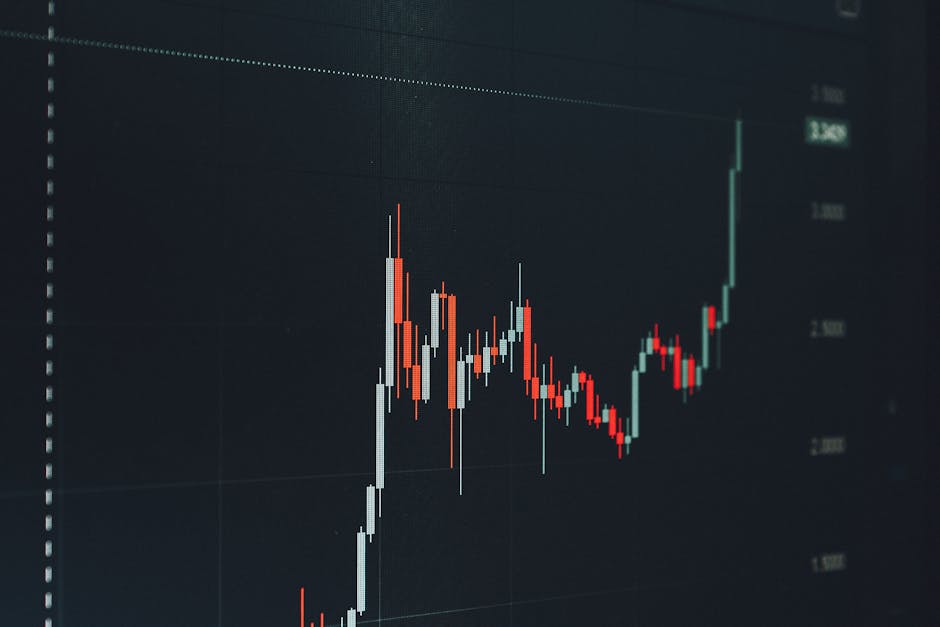
The 27% weekly gain will pull attention. Some of that attention will come from investors who have watched Ackman make sharp, public calls on stocks and macro trends, and who want exposure to his next move. Some of it will come from investors who see a fast-moving chart and follow the momentum without fully understanding what the underlying structure charges or how it can lose value.
The broader pattern
Hedge fund managers going public is not entirely new, but it is accelerating. The appeal for the manager is obvious: a permanent capital base that does not redeem when performance dips, plus a new fee stream from public investors. The appeal for the investor is real but conditional. If Ackman's concentrated positions outperform the market net of fees, shareholders win. If they underperform, shareholders bear that cost while the management fee continues regardless.
The week's rally was driven in part by analyst upgrades, which can reflect genuine conviction or can reflect the institutional machinery that tends to build enthusiasm around a high-profile new issue. Neither explanation rules out the other.
What is clear is that Pershing Square Inc. is now a publicly observable vehicle, which means its performance, its holdings, and its fees will be visible in ways that private hedge funds are not. For investors who want that visibility into Ackman's strategy, this is one way to get it.
The question worth sitting with is simpler: are you buying the investments, or are you buying the story? In markets, those two things sometimes travel together and sometimes do not.