Blue Origin blew up its launch pad and Amazon is paying the price
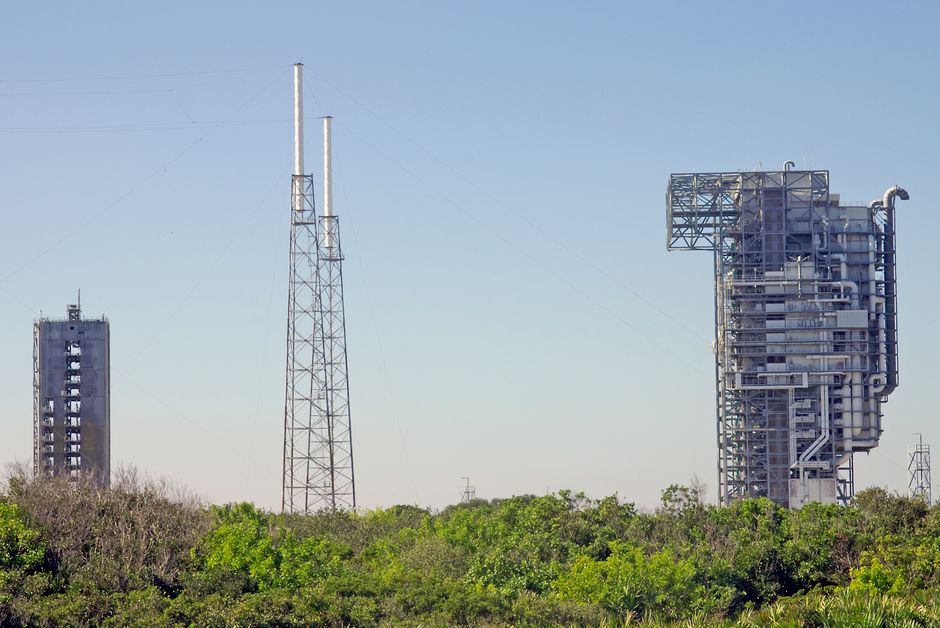
Photo: Phyllis Lilienthal
Blue Origin destroyed its own launch pad Thursday, and the consequences land well beyond Jeff Bezos's rocket program. The blast, which wrecked the New Glenn booster during a pre-launch engine test, has set Amazon's satellite internet ambitions back by months and handed Elon Musk's SpaceX a competitive opening that money alone cannot quickly close.
Engineers familiar with the damage expect at least a six-month disruption, possibly longer. The launch pad was described by one person with direct knowledge as "practically destroyed." The booster lost in the explosion, named "No, It's Necessary" after a line from the film Interstellar, is gone entirely.
Why this hits Amazon hardest
Blue Origin is not just a vanity rocket company. It is the backbone of Amazon's plan to build a global satellite internet network, called Amazon LEO, with more than 3,200 satellites in orbit. Amazon needed New Glenn to maintain a fast launch pace to put half that constellation in orbit by July 2026 to satisfy regulatory deadlines. That timeline is now in serious trouble.
Amazon had already hedged its bets by signing contracts with other launch providers, including SpaceX. But that hedge creates its own problem. SpaceX's Falcon 9 rocket carries roughly half as many Amazon satellites per launch as New Glenn. Switching more launches to SpaceX does not just mean writing Musk a bigger check. It means Amazon needs to run significantly more missions to get the same number of satellites into orbit, which takes more time, more coordination, and more money.
And Musk, Amazon's main competitor in satellite internet through his own Starlink network, now holds real leverage over his rival's deployment schedule.
The NASA complication
The explosion also scrambles Blue Origin's work for NASA. The same rocket was scheduled to carry Blue Origin's first lunar lander later this year. Just days before the accident, NASA awarded Blue Origin a contract to deliver two lunar rovers ahead of the Artemis 4 mission planned for 2028. NASA said Thursday it would assess the near-term impact on its Artemis and Moon Base programs, though it has not yet said whether any missions will be reassigned.
Lunar payloads are built around specific rockets, so swapping in a different launch vehicle is not straightforward. If NASA does need to reassign missions, expect delays measured in months, not weeks.
The U.S. Space Force and National Reconnaissance Office moved quickly on Friday to reaffirm their commitment to Blue Origin, standing by a national security launch contract awarded just hours before the explosion. That vote of confidence matters for Blue Origin's longer-term survival, but it does not repair a launch pad.
The SpaceX windfall, with limits
SpaceX has been here before. In 2016 a Falcon 9 exploded on the launch pad. The company spent more than a year fully repairing that facility but resumed launches within four and a half months by moving operations to a second Florida pad. Blue Origin does not have that fallback.
The question now is whether SpaceX can absorb additional demand at all. Its own order book is packed with Starlink satellite launches, plus commercial and government missions. Taking on a surge of Amazon work while serving existing customers is not simply a matter of willingness.
The deeper issue is structural. The commercial space launch market has been consolidating around SpaceX for years, and every setback at a would-be competitor extends that dominance a little further. For ordinary consumers, that matters because it slows the competitive pressure that might eventually bring satellite internet prices down and expand coverage to rural and underserved areas.
As Antoine Grenier of Analysys Mason put it: "It's only been a year since the SpaceX Starship also exploded on the launch pad and Blue Origin can also recover. But it will take months to rebuild." Months Blue Origin and Amazon needed for something else entirely.
Related Posts





Recent


Oct 10, 2026