South Bow and Bridger are building a new pipeline to move Canadian oil south

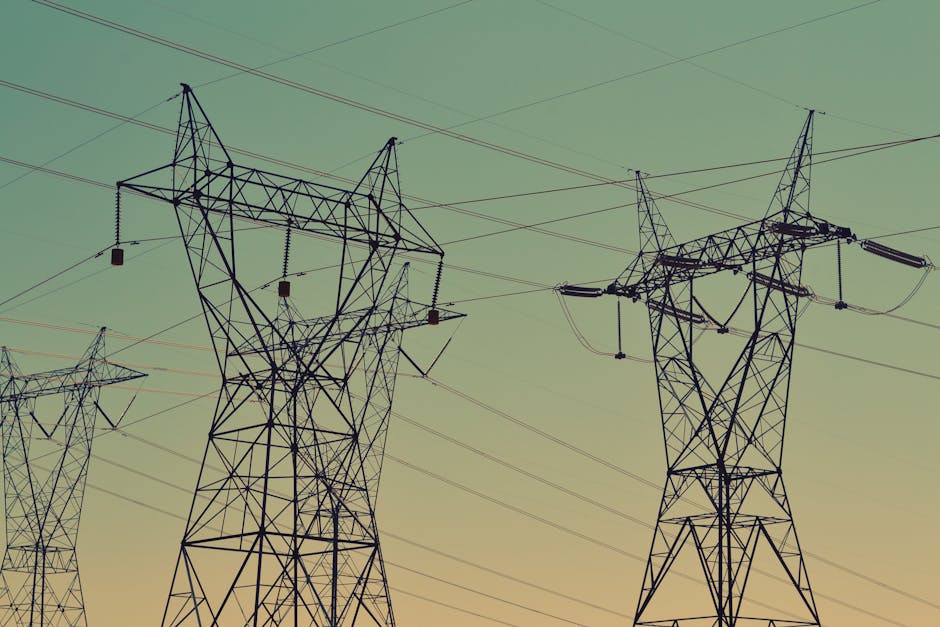
Photo: Wolfgang Weiser
South Bow and Bridger Pipeline are quietly assembling one of the most consequential oil infrastructure projects in North America, and the piece that makes it real just became public. The two companies told Reuters on Tuesday they plan to jointly develop a new oil pipeline from Guernsey, Wyoming, to Cushing, Oklahoma, completing a three-leg corridor designed to move Canadian crude all the way from Alberta to the heart of the American oil trading system.
The Wyoming-to-Oklahoma stretch is the part nobody had announced yet. And according to Matthew Lewis, founder of Plainview Energy Analytics, it is the piece that makes the whole thing work. "There is currently no significant oil egress capacity out of that Wyoming/Colorado area to major hubs like Cushing," he told Reuters. "Thus, you need a major new build project to carry that oil from Wyoming to an oil hub." Without it, the first two legs of the corridor move oil to a dead end.
A corridor three pipelines wide
The first two legs have been developing separately. South Bow and Bridger have already proposed a pipeline called Prairie Connector, running from Alberta to Guernsey, Wyoming. That project would use about 93 miles of built-but-idle pipe in Canada, then connect to Bridger's proposed line running roughly 645 miles through Montana to Wyoming. President Trump signed an order in April granting a cross-border permit for Prairie Connector, partly reviving the Keystone XL corridor that President Biden cancelled in 2021. South Bow said it expects that portion to be in service around late 2028.
Now the third leg closes the loop. According to a J.P. Morgan research note cited by Reuters, a joint venture between South Bow and Bridger acquired the right-of-way of the Liberty Pipeline, a previously cancelled project that had aimed to connect the Rockies and North Dakota's Bakken oil fields to Cushing. The companies declined to confirm details of that acquisition, and Tallgrass Energy, which held the Liberty corridor, did not respond to a request for comment. But building along an existing corridor typically cuts years off a pipeline's timeline, because the hardest regulatory and landowner battles have often already been fought.
What Cushing has to do with your gas price
Cushing, Oklahoma, is not a name most Americans know, but it sets a price they feel. It is the official delivery point for West Texas Intermediate crude, the benchmark used to price most oil contracts in the United States. When oil flows freely into Cushing from multiple directions, supply tends to be well-distributed and prices more stable. When capacity is tight, regional bottlenecks can push prices in one direction or another depending on where the squeeze is.
Adding more than 12% to Canada's crude export capacity, which is what Prairie Connector alone would accomplish according to the companies, means more oil reaching the broader U.S. system. Whether that relieves or tightens any particular bottleneck depends on refinery demand, competing supply, and where that oil ultimately gets processed. No one should expect a pipeline announcement to move their gas price directly or immediately.
What it does affect, more concretely, is the longer-term balance of North American energy supply. Canada's oil sands hold enormous reserves, but producers there have been constrained by how much pipeline capacity exists to move crude south or west to ports. Prairie Connector and its Wyoming-to-Cushing extension would meaningfully loosen that constraint.
The companies said their immediate priority is engaging landowners and communities along the proposed route. That process, not the engineering, is usually what determines whether a pipeline gets built on time or gets tied up for years. South Bow has already said it secured the shipper commitments it needed to move Prairie Connector forward. The third leg is the part still at the beginning.