Chord Energy just sold $550 million of gas assets, and the bet is on oil
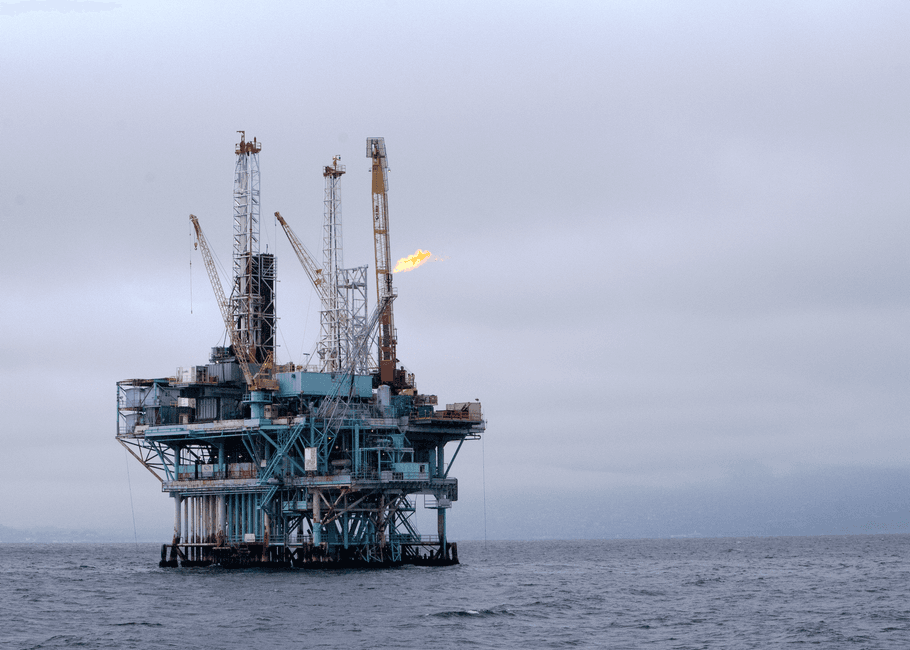
Photo: Kayden Moore
Chord Energy just agreed to sell $550 million worth of natural gas assets, and the company is betting its future entirely on one oil-producing region in North Dakota. Whether that's a shrewd simplification or a costly retreat depends almost entirely on what happens next with the cash.
The sale covers Chord's stake in the Marcellus, a major gas-producing formation that runs under Pennsylvania and West Virginia. These aren't marginal assets. Over the past year they produced roughly 121 million cubic feet of natural gas every single day. Chord announced the deal on September 16, has already received a $55 million deposit, and expects to close before the end of the year.
After the sale, the company will own nothing outside the Williston Basin, an oil-heavy region that spans the Dakotas and Montana. Oil's share of the company's total production will rise by roughly four to five percentage points. Chord will be simpler, more focused, and considerably more exposed to whatever oil prices do next.
The case for selling
The argument for the deal starts with capital. Running a non-operated position in the Marcellus, meaning Chord owned a share but didn't control drilling decisions, ties up money and management attention without giving the company full control over results. Exiting it is expected to cut annual capital requirements by about $25 million.
The $550 million in proceeds also gives Chord options it didn't previously have: pay down debt, return cash to shareholders, or reinvest in the Williston Basin where management believes it has a competitive edge. The company has left the exact mix open, which is either prudent flexibility or a signal that no single use was compelling enough to commit to publicly.
The underlying logic of asset sales in the energy industry is that a dollar of future production, which depends on commodity prices, drilling costs, and equipment, is worth less than a dollar of cash today. That logic is sound, but only if the cash ends up somewhere more productive.
What's actually being given up
Here's the uncomfortable math. Chord valued the deal at roughly six times the Marcellus assets' operating profit (before interest, taxes, and depreciation) over the past year, using a natural gas price of $3.50 per thousand cubic feet. Work backwards and the assets were generating somewhere around $92 million a year in that operating profit measure.
A $25 million reduction in capital spending doesn't replace that. The net effect on how much cash actually flows to shareholders depends on what Chord does with the remaining $525 million after closing costs, and on whether the Williston Basin can absorb reinvestment at returns higher than the gas assets were earning.
There's also a price-recovery argument on the other side of the ledger. Natural gas prices have been depressed. Selling now locks in current values and gives up any upside if prices recover. Chord will be almost entirely an oil company at exactly the moment it has chosen to exit gas.
The bigger pattern
This sale fits a trend that has reshaped the American energy industry over the past decade: the relentless pursuit of simplicity. Smaller, tighter portfolios are easier to explain to investors and easier to operate efficiently. But simplicity has costs. A company concentrated in a single basin and a single commodity has no buffer if that basin underperforms or that commodity falls.
For Chord shareholders, the question isn't whether focus is good in the abstract. It's whether management can put $550 million to work better than a producing gas asset would have done on its own. That answer won't come from the announcement. It will come from the next few quarters of capital allocation decisions, and from wherever oil prices settle by the time this deal closes.