Databricks just raised $3 billion at $188 billion, and nobody voted on it

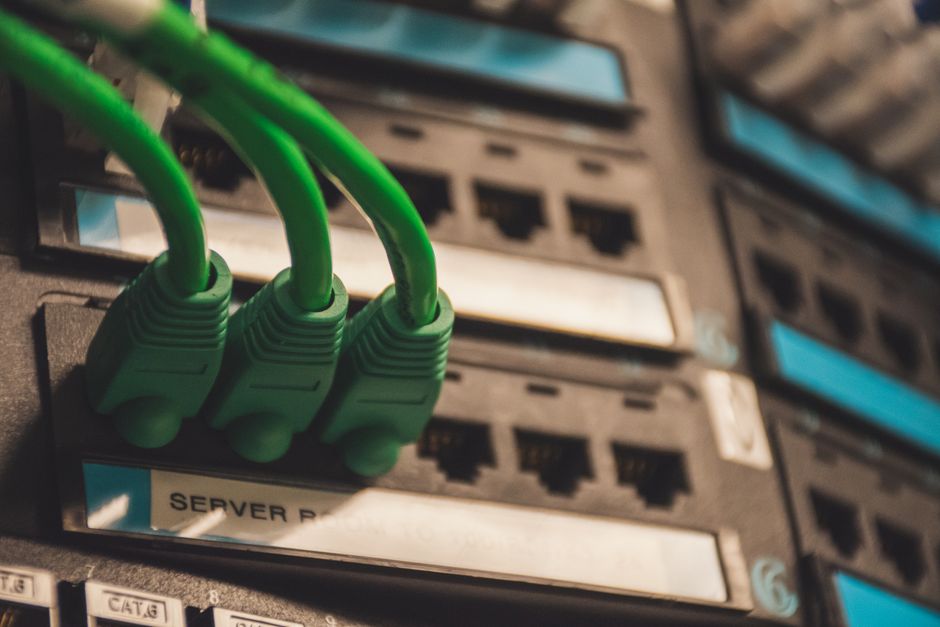
Photo: panumas nikhomkhai
Coatue Management is pouring $3 billion into Databricks at a valuation of $188 billion, according to a Wall Street Journal report citing people familiar with the matter. That number is not a typo. It makes Databricks, a company most Americans have never heard of, worth more than Ford, Delta, and Marriott combined, and it is still private.
This is the second massive fundraising round Databricks has closed in 2025. Earlier this year the company raised roughly $5 billion at a $134 billion valuation. In the span of a few months, its paper value has jumped by another $54 billion.
What Databricks actually does
Databricks builds the plumbing that large companies use to store, sort, and run AI models on their data. If a bank wants to train an AI system to flag fraud, or a hospital wants to analyze patient records at scale, Databricks is often the infrastructure underneath that work. It is not a consumer product. You will never download it. But it touches an enormous share of corporate AI spending, which is why investors keep assigning it staggering numbers.
Why this valuation matters beyond the company itself
The $188 billion figure is striking not just for its size but for what it signals about where AI money is concentrating. Public stock markets require quarterly disclosures, regulatory filings, and shareholder votes. Private markets have none of that. A small group of institutional investors, hedge funds, and venture firms are pricing some of the most consequential technology companies in the world with essentially no public accountability.
Coatue, the firm leading this round, is a New York-based hedge fund known for large technology bets. By anchoring this deal, it is effectively setting the price that other investors, employees, and eventually the public will be asked to accept if Databricks ever goes public.
That last word, "if," is the tension underneath the whole story. Databricks has been one of the most anticipated initial public offerings in tech for years. Each new private fundraising round at a higher valuation buys the company more time to stay out of public markets, where scrutiny is heavier and pricing is more brutal. The tradeoff: by the time it does go public, the valuation expectations baked in will be enormous, and ordinary investors buying shares on day one will be paying a price set by a private negotiation they were never part of.
There is also a broader pattern here. When a private company's valuation rises this fast, the employees holding stock options look wealthy on paper. But that wealth is illiquid. It cannot be spent, borrowed against easily, or treated as real until a liquidity event happens, whether that is an IPO, a buyout, or a secondary share sale. Thousands of Databricks employees are in exactly that position: technically sitting on fortunes, practically waiting.
For the rest of us, the Databricks story is a window into how AI infrastructure is being financed. The companies building the roads and pipes of the AI economy are being valued at sums that rival the largest public corporations in America, by a small circle of investors making large, concentrated bets. If those bets are right, the returns will be enormous and largely captured by institutional money. If they are wrong, the correction will ripple through tech hiring, startup funding, and possibly the broader market sentiment that has been propping up AI-adjacent stocks.
At $188 billion, Databricks is not just a company. It is a referendum on whether the AI infrastructure boom is real or inflated. The verdict from private markets is clear. Public markets have not yet been asked.