Kalshi just turned drug trials into a betting market

Photo: Mikhail Nilov
Kalshi is letting ordinary people bet on whether your next cancer drug gets approved, and the pharmaceutical industry has no say in the matter.
The prediction market platform announced Thursday that it will open contracts on clinical trial outcomes and FDA regulatory decisions, partnering with AppliedXL, a firm that monitors and forecasts drug development. It is the first time these odds will be publicly priced and traded by anyone outside a Wall Street analyst's spreadsheet.
What you can actually bet on
At launch, more than a dozen specific FDA decisions are on the table. Traders can take a position on whether the agency will approve Gilead's experimental cancer drug, anito-cel, or Summit Therapeutics' lung cancer drug, ivonescimab. There is also a contract on whether an early Alzheimer's treatment being developed by AriBio will hit the main targets of its late-stage trial.
The key constraint: all bets are limited to late-stage trials, and Kalshi will only list a contract after a trial has finished enrolling patients. The exact definition of what counts as success is locked in before trading opens, based on the trial's registered endpoint on ClinicalTrials.gov or the formal FDA approval letter. AppliedXL sets the criteria; results are not allowed to arrive first and redefine the terms.
To guard against insider trading, the platform will require employment verification for all users and block anyone holding material nonpublic information from participating.
Why this is a bigger deal than it sounds
Drug approvals are enormous financial events. A single FDA decision can add or erase billions of dollars in a company's value overnight. Until now, the only people pricing those odds in a systematic, public way were institutional analysts, biotech hedge funds, and the occasional well-connected investor. Everyone else was reading their conclusions after the fact.
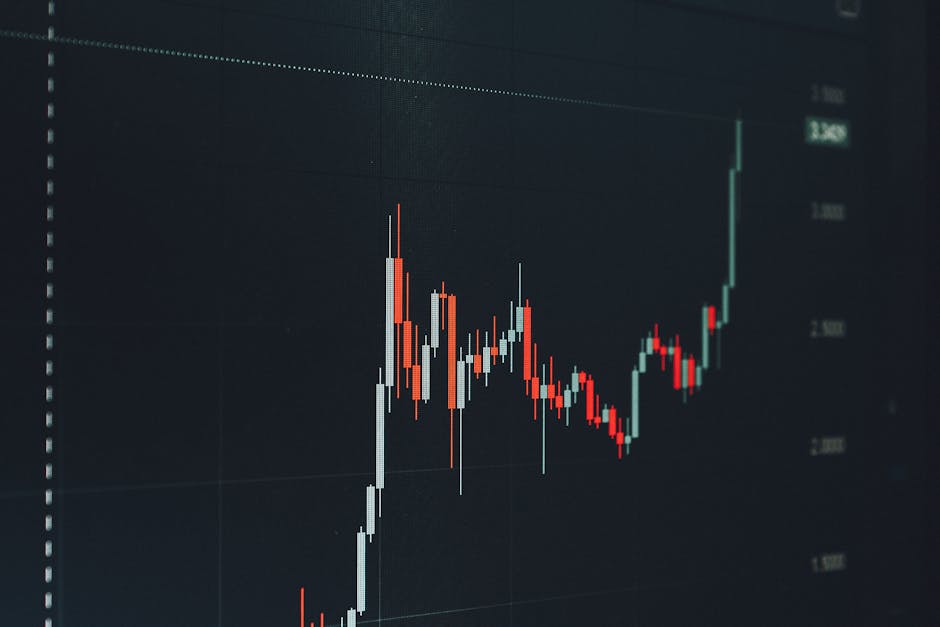
A public prediction market forces those private assessments into the open. If experienced biotech traders, researchers, and informed observers can all bet, the price of a contract becomes a real-time signal about collective judgment on a drug's chances. That is genuinely new information, not just for investors but for patients, doctors, and advocacy groups who want to know how the expert community actually rates a therapy's prospects.
It also creates a new kind of accountability. When a contract trades at 80 percent odds of approval and the drug then fails, the public record shows what the market believed and when. That is harder to hide than a private analyst note.
The risks worth naming
Prediction markets work best when the crowd is large, informed, and diverse. Biotech is a narrow field, and the risk is that a small number of sophisticated traders dominate early pricing, making the market a reflection of institutional consensus rather than genuinely independent judgment. If everyone betting is already plugged into the same research networks, the signal is less useful than it appears.
There is also a more uncomfortable question: does putting a live, tradeable probability on a drug trial change anything about how that drug gets developed or reported? The answer is probably not much at the early stages, because the criteria are fixed before contracts open. But the incentive to understand exactly how success is defined, and to bet accordingly, will concentrate attention on the fine print of trial endpoints in ways that were previously reserved for specialists.
For now, the pilot is narrow and closely defined. Kalshi has been running since 2021, building markets around elections, sports, and weather. Clinical trials are a different kind of bet, one with real consequences for sick people on the other side of the outcome. Whether public prediction markets improve how society processes that information, or simply add noise, will be visible in the price history once these contracts start trading.