Embraer just crossed 500 orders for its E2 jet, and Azorra paid up
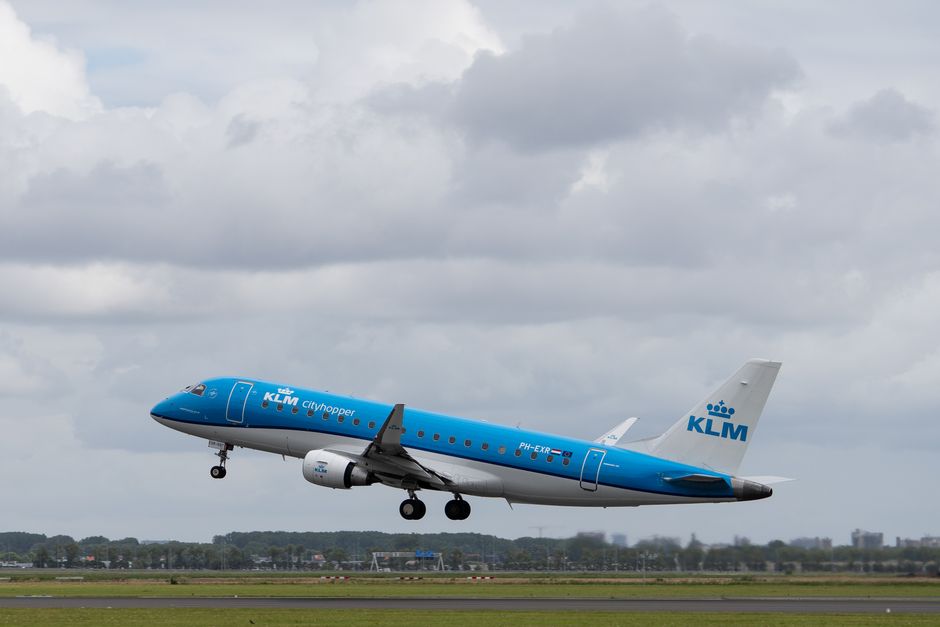
Photo: Martijn Stoof
Embraer just picked up a $500 million vote of confidence, and the Brazilian planemaker's stock jumped 5% on the news. Aircraft leasing company Azorra ordered 15 more E195-E2 jets on Friday, the third time it has expanded an order it first placed back in 2021. Azorra now has 54 firm orders with Embraer, up from 39, plus rights to buy 15 more. The deal pushed total orders for Embraer's E2 program past 500 aircraft for the first time.
That number matters beyond the milestone. It signals that a relatively small Brazilian manufacturer has turned its newest regional jet into a genuinely global product at a moment when the aerospace industry is watching geopolitics closely.
Why lessors are the ones buying
Azorra is not an airline. It is a lessor: a company that buys planes and leases them to carriers who want capacity without the capital commitment of ownership. When lessors increase their orders, it usually means they expect strong demand from airlines over the next several years. They are, in effect, betting that airlines will keep lining up to rent these planes.
Analysts at JPMorgan noted that the Azorra deal supports Embraer's position that the U.S.-Israeli war against Iran has not affected its order book, airline demand, or its ability to deliver planes on schedule. That is a meaningful data point. Wars and geopolitical shocks often dampen big-ticket capital orders as buyers wait to see how things shake out. So far, at least for Embraer, they haven't.
"We read the higher demand from lessors as a validation of E2's success among airlines," JPMorgan analysts wrote.
What this means for air travel
More than 200 E2 jets have already been delivered to 24 airlines around the world. The aircraft is popular for a specific reason: it lets carriers adjust capacity on thinner routes without flying a half-empty larger plane. That improves fuel efficiency, which in turn affects ticket economics and, eventually, ticket prices.
Regional jets like the E195-E2 tend to show up on routes between mid-size cities that do not generate enough traffic to fill a wide-body or a single-aisle aircraft like a Boeing 737. For passengers, that can mean more direct connections instead of routing through a hub, and for airlines it means running those routes profitably rather than subsidising them with revenue from busier flights.
The Azorra deal, per Santander analysts, could add roughly $500 million to Embraer's backlog. That represents about a 2% increase to Embraer's total order book from the first quarter of 2026. Small in percentage terms, but enough to move the stock meaningfully in a single session, which says something about how investors are reading the program's momentum.
The bigger picture
Embraer's trajectory with the E2 is a case study in what happens when a niche manufacturer finds the right product at the right moment. The global aviation industry has spent years grappling with a narrow choice at the top, Boeing and Airbus, with a long gap below them. Embraer has carved out that gap, and 500 orders is the kind of number that starts attracting more lessors and airlines simply because the plane is proven and the support network exists.
The stock market's reaction, a 5% gain for Embraer while Brazil's benchmark index fell 0.2%, suggests investors see the milestone as something more than a single deal. It looks like confirmation that the E2 program has reached the scale where demand feeds on itself.
For the airlines using these planes, and for the passengers boarding them on regional routes, that scale eventually means lower operating costs, more frequent service, and a program likely to have manufacturer support for decades. The E2's backlog just got a lot harder to ignore.