Europe will share satellite airwaves with Starlink, but not equally
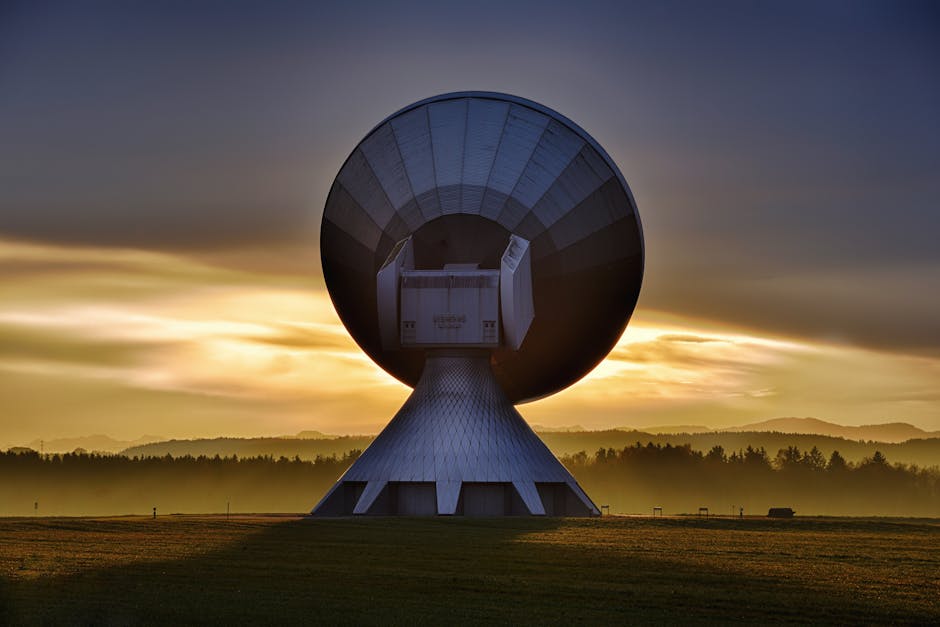
Photo: Pixabay
If you've ever lost cell service on a highway or in a rural area, you already understand what this fight is about. The European Union is redesigning how satellites connect phones and vehicles across its territory, and the question of who gets to provide that service is turning into a proxy battle over technological independence from the United States.
Reuters reported Tuesday that the European Commission is preparing to announce a new plan for mobile satellite spectrum, the licensed radio frequencies that allow devices to connect seamlessly even in remote areas. Two-thirds of that spectrum would be reserved for European companies. The remaining third would be open to foreign bidders, potentially including Elon Musk's Starlink and Amazon's satellite division. British and Norwegian companies could also compete for a licence.
The timing is driven by a bureaucratic deadline with real consequences. Two American companies, Viasat and EchoStar, currently hold licences for this spectrum, and those licences expire in May 2027. Brussels has to decide what comes next.
Europe's own satellite network is finally part of the answer
The EU's IRIS2 constellation, a planned array of 290 satellites built explicitly as a European alternative to Starlink, would be among the companies guaranteed access to the reserved two-thirds. The project was conceived partly in response to the visibility Starlink gained during the war in Ukraine, when a single American company became critical communications infrastructure for a foreign military conflict. That dependency made European policymakers uncomfortable.
The proposal is not yet final. According to one of Reuters' sources, it could still shift at Wednesday's meeting of commissioners. One commissioner has argued that all spectrum should go exclusively to European businesses. EU tech chief Henna Virkkunen has pushed back, wanting to keep the door open to any company. The source said Virkkunen was likely to prevail.
The argument matters beyond regulatory process. If Starlink is entirely shut out, European consumers and businesses in underserved areas may have fewer competitive options, and prices for rural connectivity could stay higher. If Starlink gets in on equal terms, IRIS2 faces a commercially dominant rival before it has even launched at scale. The two-thirds reservation is the compromise: protect European industry without fully closing the market.
What this means for ordinary connectivity
For most people in European cities, this will register as background news. Urban mobile coverage doesn't rely on satellite spectrum. But for the roughly 10 percent of EU territory where terrestrial networks are thin or absent, including mountain communities, coastal zones, and long stretches of highway, satellite connectivity is often the only realistic option for reliable service on a moving device.
The companies that win spectrum here will partly determine what rural and in-vehicle connectivity costs over the next decade. A competitive auction that includes Starlink could press prices lower. A closed European market could sustain higher prices in exchange for supply-chain independence.
Commission spokesman Thomas Regnier framed the decision in security terms, saying satellite connectivity was "synonymous with resilience, security, and capability" given the current geopolitical context, and calling IRIS2 central to Europe's "technological sovereignty."
That framing tells you something important about where European infrastructure policy is heading. A few years ago, spectrum allocation was mostly a commercial and technical question. Now it is explicitly entangled with defence, sovereignty, and the project of reducing dependence on American technology. The same logic is reshaping European policy on cloud computing, semiconductors, and AI. Satellite connectivity is just the latest domain where Brussels is trying to answer a question that has no clean answer: how do you stay open to competition while building genuine independence?