ExxonMobil takes over a $14 billion gas project, and Santos just bet $189 million it's finally real
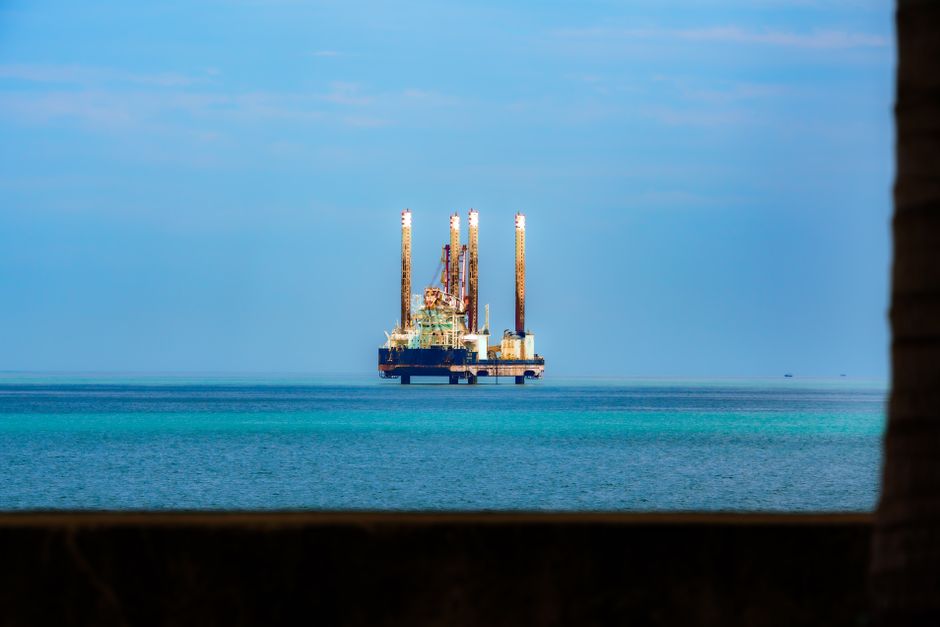
Photo: ZhiCheng Zhang
ExxonMobil is about to run one of the largest energy projects in the Pacific, and Santos just paid $189 million to own more of it. The move signals that Papua LNG, a liquefied natural gas development that has been stalled, redesigned, and repriced for years, may finally be close to getting built.
Here is what just changed. TotalEnergies, the French energy giant that has been leading the project, is stepping back. It agreed to hand operatorship to ExxonMobil and sell portions of its stake to existing partners. Santos picks up an extra 3.3% interest, lifting its total share to 21%. ExxonMobil ends up holding 34.1% and becomes the operator. TotalEnergies stays in at 20%. Papua New Guinea's state entities hold a combined 22.5%.
The final investment decision, the moment when partners formally commit the money and construction begins, is expected in the fourth quarter of 2026.
Why this deal exists at all
Papua LNG has been stuck. When contractors first submitted bids to build the project, TotalEnergies said publicly in 2024 that the numbers were not commercially viable. The partners went back to the drawing board, redesigning parts of the development and reopening the tender to a wider group of Asian engineering and construction firms. That process, according to TotalEnergies, has now produced roughly $4 billion in cost savings. The estimated construction price has come down to around $14 billion.
That's a meaningful reduction, but $14 billion is still an enormous bet on a single project. The question partners have been wrestling with is whether the economics justify locking in that capital for a project that won't produce revenue for years.
Bringing ExxonMobil into the operator seat is partly an answer to that question. ExxonMobil already runs PNG LNG, the other major gas development in Papua New Guinea. Putting both projects under one operator creates the potential for shared infrastructure, coordinated logistics, and lower running costs. Santos specifically cited these construction and operating synergies as a reason the restructuring makes sense.
What it means beyond the deal table
Papua LNG is designed to produce around 5.6 million tonnes of liquefied natural gas per year, almost entirely for Asian buyers. That matters because Asia's appetite for natural gas, particularly from Japan, South Korea, and increasingly China, has reshaped global energy supply chains over the past decade. Long-term LNG contracts from projects like this one underpin energy security decisions for entire countries.
For Papua New Guinea, the stakes are more immediate. The country's state entities, Kumul Petroleum and MRDC, will hold a 22.5% combined stake. Resource revenue from PNG LNG already flows into the national budget. A second major project at full production would substantially change the country's fiscal position, for better or worse depending on how the contracts and revenue-sharing arrangements hold up over time.
For Santos, the $189 million bet increases its expected share of LNG production from Papua LNG by about 19%, to roughly 1.2 million tonnes per year. That's a meaningful addition to an Australian company whose own domestic gas production has faced pressure. The transaction is economically effective from January 1, 2026, meaning Santos starts accruing the financial benefit of the larger stake even before the final investment decision is made.
The deal is still conditional. Regulatory approvals are needed, and the whole thing hinges on partners formally sanctioning the project later this year. If the final investment decision slips again, so does everything else.
But the restructuring itself, a new operator, a cleaner ownership table, $4 billion in costs removed, and a renegotiated gas agreement with the PNG government, looks less like a routine reshuffle and more like a group of large energy companies convincing themselves, and each other, that this time it will actually happen.