General Atomics and Anduril just won the contract to build the Air Force's robot wingmen
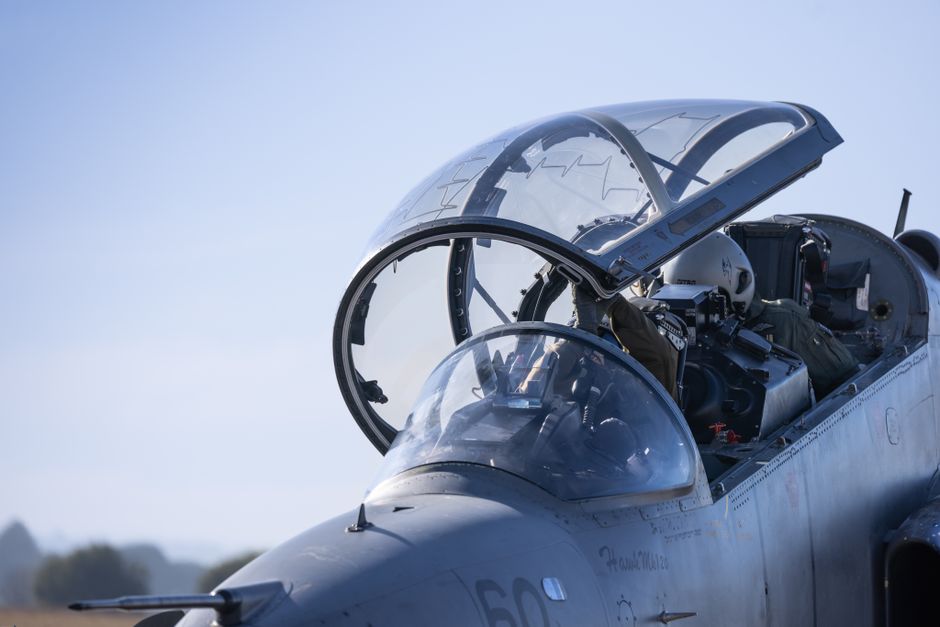
Photo: Magda Ehlers
General Atomics and Anduril Industries just landed production contracts to build the first real fleet of AI-assisted combat drones for the U.S. Air Force, and the program is moving faster than almost anyone expected. The contracts, announced Wednesday, weren't supposed to arrive this soon. They came months ahead of schedule.
The Air Force didn't disclose what the contracts are worth. But the scale of the ambition is clear: more than 150 of these aircraft by 2030, and ultimately around 1,000 in total.
What these aircraft actually are
These aren't remotely piloted surveillance drones in the mold of the Predator or Reaper. The program, called Collaborative Combat Aircraft, is designed to produce semi-autonomous fighters that fly alongside human pilots in actual combat. General Atomics is building the FQ-42; Anduril is building the FQ-44. Neither company is a household name the way Boeing or Lockheed is, but both have spent years positioning themselves as the defense contractors built for this era: faster to develop, more software-native, less anchored to the cost structures of Cold War procurement.
The concept is pairing. A single human pilot in an F-35 or future fighter commands several of these drone wingmen, which extend the pilot's reach, gather targeting information, and absorb risk in airspace where sending a crewed aircraft could mean sending a person to die. The Air Force calls this "human-machine teaming." The practical logic is straightforward: you can lose a drone without losing a pilot.
The software twist
The more structurally unusual part of this announcement isn't the hardware. It's what the Air Force is doing with the software.
In a deliberate break from how the Pentagon normally buys weapons, the Air Force is purchasing the drone's flight software separately from the aircraft itself. They've awarded parallel contracts to six vendors, including Anduril, General Atomics, Lockheed Martin, Northrop Grumman, Collins Aerospace (a division of RTX), and Shield AI, to compete on the mission autonomy side.
The phrase "software sold separately" is the Air Force's own. The idea is to avoid the trap that has plagued programs like the F-35, where the prime contractor owns both the hardware and the software, creating a captive relationship that drives up costs and slows upgrades. By keeping those markets separate and competitive, the Air Force is betting it can update the brains of these aircraft independently of the airframe, and keep vendors competing on price and performance for years.
This is a meaningful structural bet. If it works, it changes the economics of how the U.S. fields advanced weapons. If it doesn't, the Air Force could end up with incompatible systems and an integration headache that delays the whole program.
Why this matters beyond the Air Force
The United States is in an explicit race with China to field advanced military AI at scale. The Air Force's own framing used the phrase "pacing challenge," which is the Pentagon's standard way of referring to China's military modernization without saying the name. Secretary of the Air Force Troy Meink said the contracts "reaffirm our confidence in the strategic path forward for the program to procure over 150 combat capable CCA by the end of the decade."
Moving months ahead of schedule on a program this technically complex is unusual. The Pentagon's acquisition record is full of programs that slipped years behind schedule and cost two or three times the original estimate. The early pace here either signals genuine technical progress, or pressure from the top to show momentum on AI-enabled weapons before a political window closes.
Either way, the drone wingman is no longer a concept. It's in production.