Germany is rebuilding its military. Now comes the hard part.
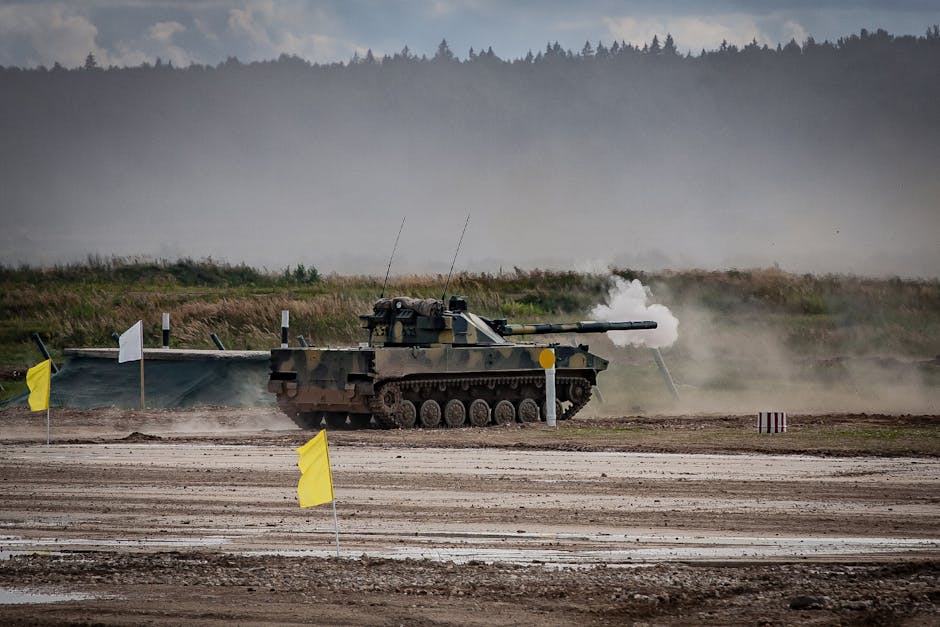
Photo: Sergey Platonov
Germany has unlocked tens of billions of euros for its military. The problem it announced this week is not money. It is machinery, specifically the bureaucratic kind that decides what gets bought, from whom, and how fast.
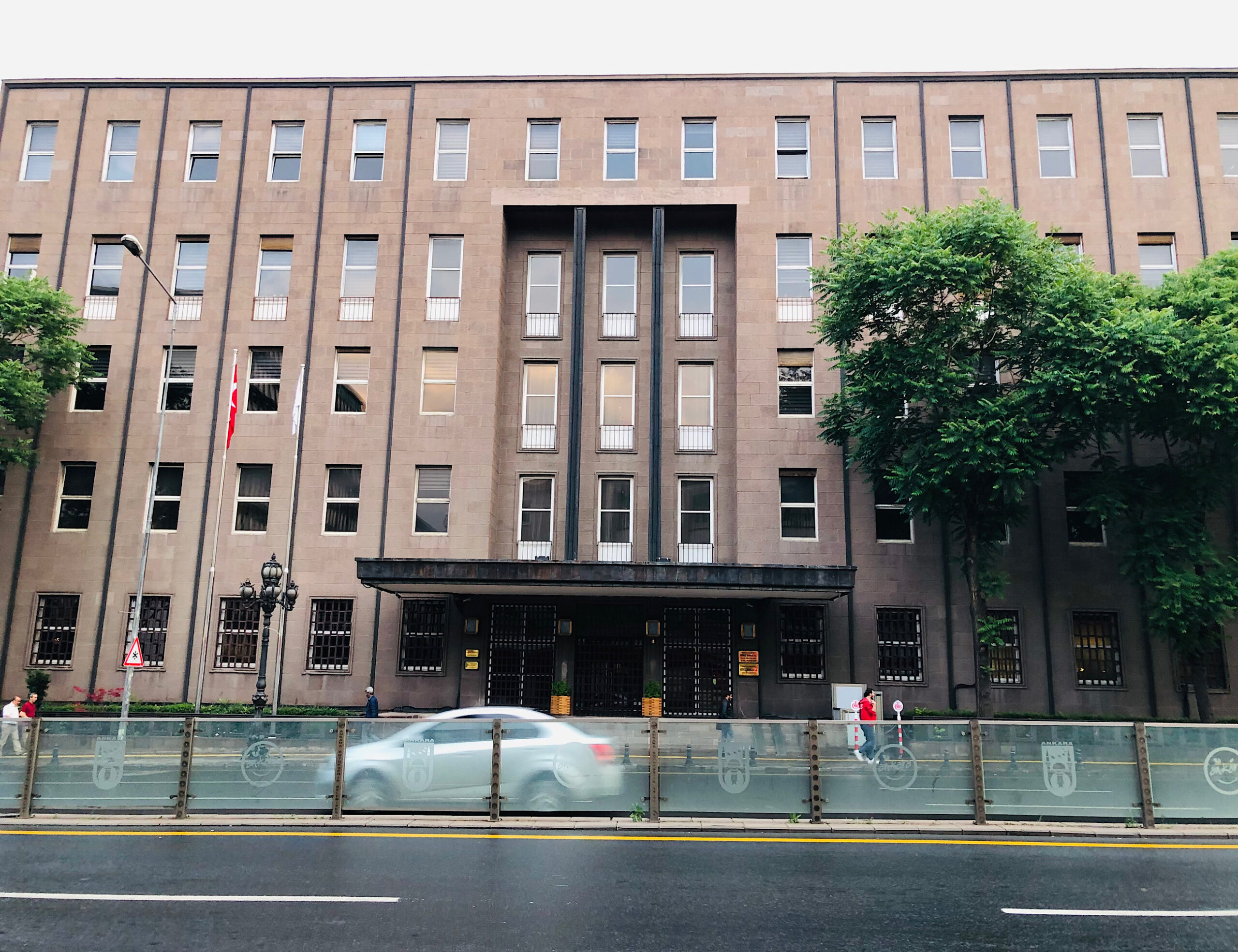
On Wednesday, Germany's defence ministry said it is reorganizing its procurement agency, the system that turns military budgets into actual weapons, vehicles, and technology. The goal is to move faster, work more closely with research institutions, and put a sharper focus on innovative technology and European partners. Defence Minister Boris Pistorius framed it plainly: "The task now is to take the next step and put the necessary conditions in place to ensure that these substantial sums can be spent quickly and efficiently in the coming years."
That framing matters. Germany's military capabilities slowly hollowed out after the Cold War. Now the country has lifted borrowing limits and committed to a spending surge. But budget watchdogs have already warned that pressure from the defence industry could push money toward the wrong places, and that without better management, the result is waste rather than capability.
What the overhaul actually looks like
The plan calls for project teams working directly with researchers. It adds better market monitoring, supplier management, and price controls. Four new innovation hubs will open: an expanded centre in Erding, a naval and marine electronics hub in Kiel, a space and naval industry hub in Bremen, and a tech hub in Dresden, which already has a significant technology presence. A Brussels office will coordinate NATO and multinational work.
The reform will phase in gradually to avoid disrupting existing projects.
The same day, the government announced a separate but related piece of the puzzle: a 40% stake in KNDS, the Franco-German company that makes the Leopard tank. The stake matches France's share, giving Berlin equal say over a manufacturer that sits at the heart of European armored capability. Both governments are expected to reduce their holdings to 30% over the next two to three years, while retaining equal voting rights regardless of stake size. Germany's economy ministry will manage the transaction alongside the defence ministry.
Also on Wednesday, Germany approved a new civil defense plan that shifts away from Cold War-era bunkers, many of which have been unused for decades, toward everyday infrastructure: underground parking garages, tunnels, and subway stations. The country currently has 579 shelters for roughly 480,000 people. The new plan, backed by 10 billion euros, will fund more than 1,000 special vehicles and protective suits, upgrade the national alert network, and install a central control unit across public agencies. Interior Minister Alexander Dobrindt said the old model "has never worked" and must be replaced. Pistorius noted that Germany cannot realistically shelter all 80 million of its citizens and said the plan draws on lessons from Ukraine, where a civilian app warns residents of incoming attacks.
Why Ukraine changed the calculus
Ukraine's use of drone technology has been the clearest signal to European governments that military relevance now depends on speed of innovation, not just scale of spending. A procurement system that takes years to approve and acquire new technology is effectively a system that buys the last war. Germany's reform is an attempt to close that gap.
The KNDS stake reflects a parallel concern: control. For a country investing this heavily in its own defense, losing influence over the manufacturer of its main battle tank would undermine the entire logic of rearmament. Equal voting rights with France, regardless of exact ownership percentages, gives Berlin a structural guarantee that cannot be diluted as the company eventually floats on public markets.
The deeper question is whether institutional reform can keep pace with the spending. History across Europe suggests that money arrives faster than the systems to manage it wisely. Germany is at least asking the right question early.