Honda and Nissan are sharing software costs, and your next car will feel it
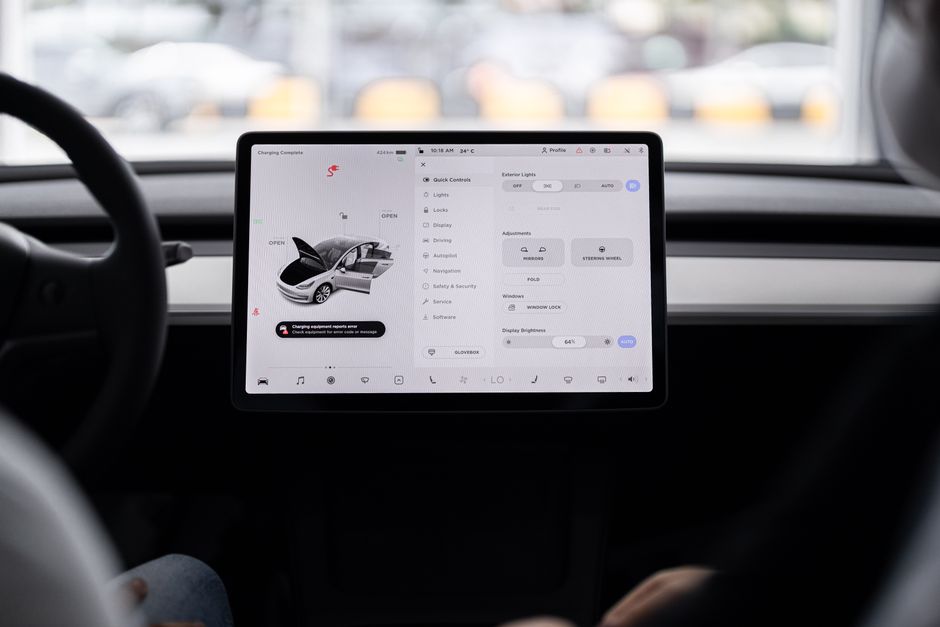
Photo: I'm Zion
Honda and Nissan walked away from a $60 billion merger early last year. Now they are edging toward something smaller but still consequential: a shared agreement to jointly develop the operating system and onboard computer that will run their future vehicles, with new models potentially arriving as early as 2029.
Reuters reported on August 29, citing Japan's Nikkei newspaper, that the two automakers could reach a formal agreement as soon as the following Monday. Honda confirmed it is discussing "potential areas of collaboration" with Nissan and Mitsubishi Motors under their existing partnership, though it said nothing is finalized. Nissan CEO Ivan Espinosa said talks over software collaboration are underway. Honda's management went further on its most recent earnings call, confirming it is exploring shared software platforms, batteries, and vehicle architectures with Nissan to pool the cost of development across both companies.
Why this matters beyond Japan
The car you buy in 2029 or 2030 will run on software in ways the car you drive today mostly does not. Navigation, safety systems, over-the-air updates, driver assistance, and eventually autonomous features will all depend on the computing platform underneath them. Building that platform from scratch costs billions, and the automaker who builds it alone passes that cost forward into the sticker price. A shared platform lets Honda and Nissan split the bill across a much larger number of vehicles, which tends to mean the software gets better faster and the per-car cost comes down.
That's the opportunity. The tension is execution. Honda and Nissan tried to merge entirely and couldn't agree on terms. A software tie-up is narrower and more manageable, but it still requires two large companies with different engineering cultures to build something genuinely shared rather than parallel systems dressed up as collaboration. The 2029 target gives them roughly three years, which is tight for this kind of foundational technology.
Honda's position heading into this deal
Honda's underlying business is in better shape than the headline drama around its EV strategy might suggest. The company reported record operating profit of JPY530.7 billion for its most recent fiscal quarter, driven largely by motorcycles, which posted an all-time high on strong demand in India and Brazil. In the United States, high gasoline prices pushed buyers toward Honda hybrids, and the company captured roughly 10% of the American market in April and May, its best result in five years. Management raised its full-year profit guidance to JPY650 billion.
The complications are real, though. Honda is forecasting JPY520 billion in EV-related losses for the full year, a figure tied partly to unresolved compensation talks with North American suppliers. China is a sharper problem: the combustion and hybrid market there shrank roughly 40% in the most recent quarter, and Honda's own retail sales in the country fell 50% year over year. Honda extended its joint venture with Chinese partner GAC through 2028, largely to calm dealers, but the underlying market shift toward Chinese-made electric vehicles is structural, not cyclical.
That's the backdrop that makes the Nissan software alliance look less like opportunism and more like necessity. Neither company can easily afford to build the next generation of vehicle computing platforms alone. Honda has the stronger balance sheet right now, with JPY3.3 trillion in net cash, but EV development and a hostile China market are spending that cushion faster than the motorcycle business can replenish it.
A shared software platform won't rescue either company from those pressures. But if it works, it could let both of them compete with a class of vehicle technology that increasingly requires the kind of scale only the very largest automakers, or well-funded software companies, can reach on their own. The alternative is falling behind on the feature that car buyers will use to choose between vehicles within a decade.