India's steel tariff backfires as input costs jump 20%
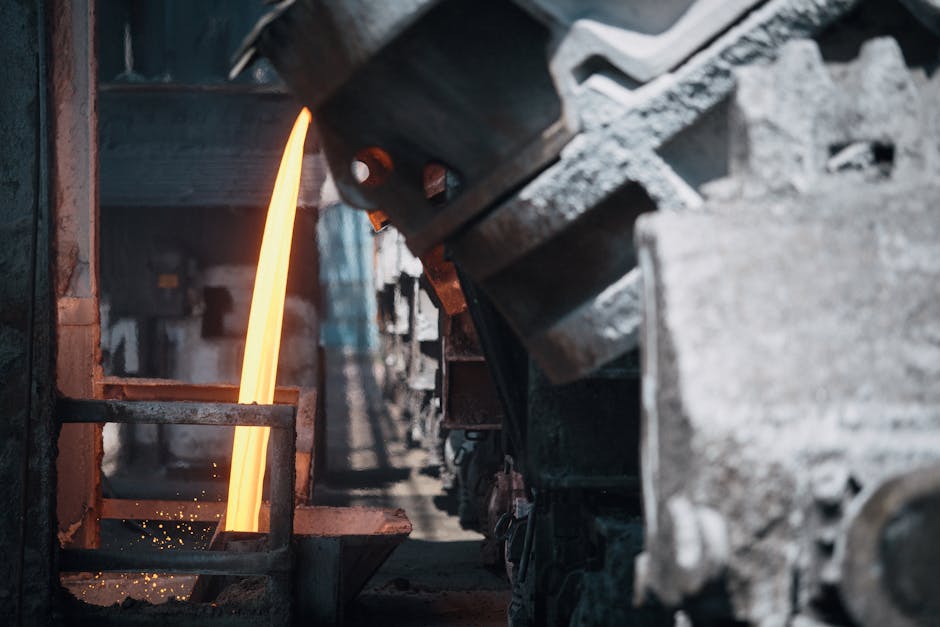
Photo: Bence Szemerey
When governments raise tariffs to protect a domestic industry, the assumption is that someone benefits. In India's case, a tax meant to shield local metallurgical coke producers has instead pushed up costs across the steel sector, rattled a state-owned mill in financial distress, and prompted the very ministry overseeing steel to ask for the tax to be scrapped.
Metallurgical coke, known as met coke, is a key ingredient in steel production. It goes into the blast furnace alongside iron ore and is what drives the heat needed to make steel. Without a reliable, affordable supply, steel mills slow down or lose money on every ton they produce.
India imposed a provisional anti-dumping tariff on low-ash met coke imports in December, targeting material arriving primarily from China, Indonesia, Poland, Japan, and Switzerland. The duty was framed as protection against unfairly cheap foreign supply. But import volumes have fallen sharply since the curbs took effect, according to industry experts, and the domestic market has not filled the gap.
The cost is landing on the mills
In a May 18 internal memorandum reviewed by Reuters, India's Ministry of Steel told the Ministry of Finance directly: the duty needs to go. The document cited "limited availability of met coke in the domestic market and a substantial increase in domestic prices" as a "significant financial burden on steel manufacturers."
The hardest hit case in the memo is Rashtriya Ispat Nigam Ltd, a state-run steelmaker already undergoing a government-backed financial revival. According to the Steel Ministry, the company has been unable to procure adequate met coke at reasonable prices, resulting in a 20% rise in its input costs. That kind of jump, for a mill already on shaky financial footing, doesn't just squeeze margins. It threatens the entire recovery plan.
Smaller steel producers are under pressure too. The Steel Ministry flagged concerns about small and medium-sized steelmakers that rely on merchant suppliers for their met coke rather than sourcing directly. Those firms have the least negotiating power in a tight market and the fewest alternatives when supply contracts.
Why this matters beyond India
India is the world's second-largest crude steel producer. What happens to its input costs eventually touches global steel supply and, downstream, the price of the things steel goes into: construction, machinery, vehicles, appliances. A prolonged squeeze on Indian steel output wouldn't stay local.
The episode also illustrates a pattern common to anti-dumping tariffs. They are designed to correct a specific market distortion, foreign producers selling below cost to undercut domestic competitors. But when the domestic alternative can't actually meet demand, the tariff doesn't redirect buyers to local suppliers. It just removes the cheaper foreign supply and leaves buyers with less of everything at a higher price.
India's steel industry apparently reached that ceiling fast. The provisional duty has been in place for roughly five months, and already the ministry responsible for steel is telling the ministry responsible for taxes that the cure is worse than the disease.
Whether Finance agrees is another matter. The ministries had not responded to Reuters requests for comment as of publication. The provisional duty was imposed for six months, meaning a decision is approaching regardless. If the Steel Ministry's memo carries weight, the tariff could be withdrawn before it becomes permanent. If it doesn't, Indian steelmakers face the prospect of a longer stretch of constrained supply and elevated costs during a period when at least one major state producer can ill afford it.