Loudoun County just froze 33 data center projects, and Big Tech is watching

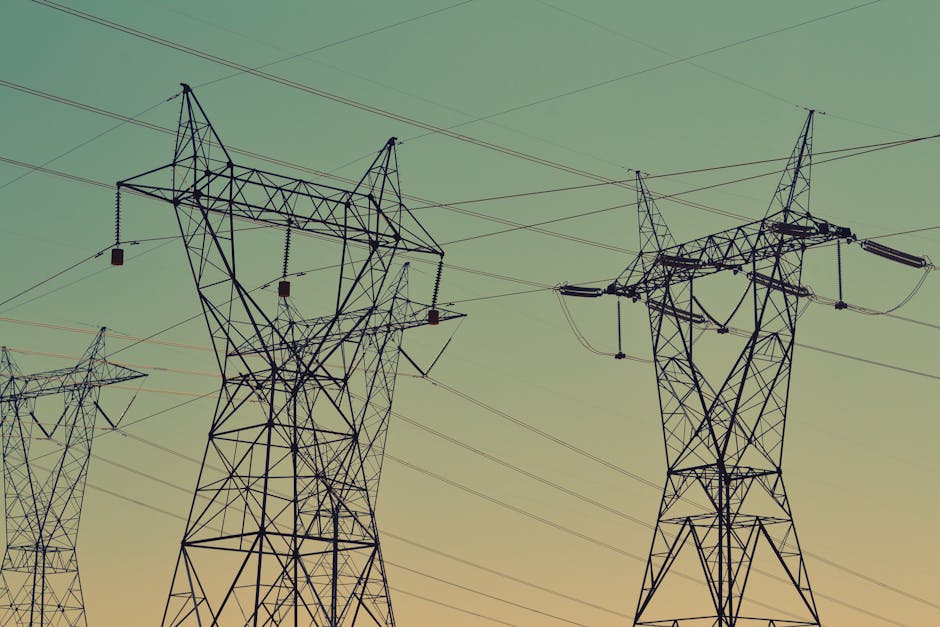
Photo: Brett Sayles
Loudoun County, Virginia just hit the brakes on the data center industry's most important piece of real estate, and 33 active projects are now in limbo while the county figures out what it actually wants.
The county's Board of Supervisors voted this week to pause all new applications for data centers and electrical substations. No public hearings, no votes, until the board finishes a policy review it started back in February 2024. That review has been grinding along for the better part of two years. Now, rather than let new projects pile up while the debate continues, the board has effectively called a timeout.
Loudoun County is not a random suburb. It carries the nickname "Data Center Alley" because it has the highest concentration of data centers in the world. Google and much of the rest of the tech industry run facilities there. When the county pauses, the entire industry feels it.
Why here, why now
The AI boom has turbocharged demand for data centers everywhere, but especially in places like Loudoun, where the infrastructure, fiber networks, and power connections are already in place. That demand has pushed development faster than many communities are comfortable with.
Residents in towns across the country have started asking the same uncomfortable questions: Who pays for the new electrical substations these facilities require? Do they actually create many local jobs, or mostly just construction work that disappears? What happens to utility bills when a facility that consumes as much electricity as a small city moves in next door? And what does it mean to live near a cluster of enormous, humming, heavily fenced buildings that generate heat and noise around the clock?
Loudoun County has been living with those questions longer than almost anywhere else. The pause is an attempt to answer them before approving more of the same.
The political signal is bigger than the policy
The timing matters. The November midterm elections, held just weeks before this vote, saw data center opposition play what Business Insider described as "a major role" in a broad Democratic wave. That's a striking sentence. The idea that a local land-use issue around server farms could move electoral outcomes signals that this has stopped being a niche planning fight and become something with genuine political weight.
The Trump administration has supported data center expansion, and tech industry leaders have backed it loudly. Neither of that helped much at the ballot box in communities where residents felt the costs directly. Local elections turn on local grievances, and in Northern Virginia, the data center industry handed opponents a vivid one.
For the tech industry, the Loudoun pause is a warning. If the world's most data-center-dense county, the place that arguably built its economy around this industry, needs to stop and rethink, the expansion model that the AI boom depends on is running into a wall it did not fully anticipate.
What happens to the 33 projects
Developers can still submit applications during the pause, and county staff will keep reviewing them. But nothing moves to a public hearing or a board vote until the policy review wraps up. The county has not set a fixed end date, only the condition that the review must conclude first.
That means the freeze could last the full year, or longer if the review drags. For projects that were expecting to break ground in 2025 or 2026, that is a real delay in a business where the cost of waiting is high.
The deeper issue is that Loudoun's decision will be watched closely by every other county, township, and city currently weighing its own data center policy. If the community that built its identity around this industry decided it needed to slow down, that gives political cover to every local official who wants to do the same.
The AI buildout has been treated as an unstoppable infrastructure wave. Loudoun County just demonstrated that the ground it needs to build on can vote.