Lucid's stock lost 57% in a day. Then the company said nothing is wrong.

Photo: Harry Tucker
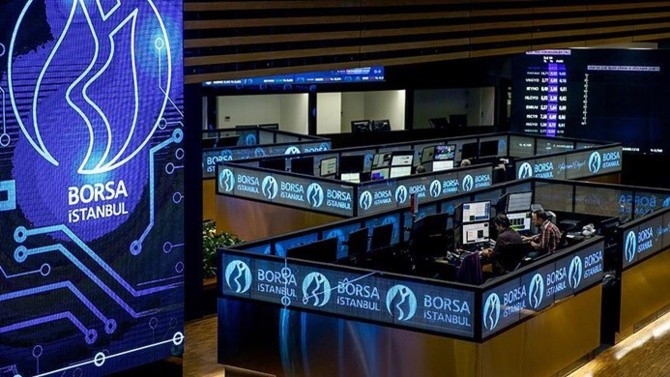
Lucid Group watched its stock fall 57% on Tuesday before the company called the whole thing "completely false." The trigger was a blog post claiming the electric-vehicle maker was weighing a take-private deal or a Chapter 11 bankruptcy filing. By day's end, shares had recovered some ground and were down about 13%. The chaos lasted hours, with trading halted multiple times because of volatility.
The denial was firm. Lucid said it had not formed any special board committee to examine either scenario, that it had enough cash to fund operations well into next year, and that restructuring firm AlixPartners, whose involvement the blog post had flagged, was there to improve operations rather than recommend bankruptcy. AlixPartners did not comment.
None of that erases the actual situation
Lucid's shares have lost roughly 99% of their value since the company went public. That is not a typo. Investors who bought in at the peak have seen nearly everything disappear. The company has burned through cash repeatedly, raised capital repeatedly, and still has not turned a profit nearly five years in.
In May, Lucid suspended its own 2026 production forecast of 25,000 to 27,000 vehicles after supplier problems disrupted deliveries of its Gravity SUV. It said it would update guidance after a strategic review. No update has come.
Last month, new CEO Silvio Napoli, who took over in June, announced a round of cuts: about 18% of the U.S. workforce, the elimination of the chief operating officer role, and a streamlined leadership structure. The company also appointed a new CFO and new leaders across technology, customer experience, and digital functions. That is a lot of organizational change in a short window.
So the question is not whether something is wrong. It is how wrong, and whether the fixes are working.
What this means beyond the ticker
For most people, Lucid is not a stock holding. It is a car they may have considered, a local dealership or service center in their area, or a job. The 18% workforce reduction announced last month means real layoffs at a company that was supposed to be a flagship of American electric-vehicle manufacturing. If Lucid shrinks further or fails, those jobs do not automatically move to another EV maker. The domestic EV supply chain loses a player, and the workers lose positions that are genuinely hard to replace.
There is a broader pattern here. Lucid is backed by Saudi Arabia's Public Investment Fund, which has poured billions into the company. That backing has kept Lucid alive through rounds of losses that would have finished most startups. But capital from a sovereign wealth fund is not the same as a healthy business. It buys time. It does not fix weak demand, supplier problems, or the gap between what a luxury EV costs to make and what American consumers are willing to pay for one.
The EV market is not collapsing, but it is sorting itself out. Tesla remains dominant. A handful of legacy automakers are scaling up. The space for a smaller, premium-only player that has not yet hit sustainable production volume is genuinely narrow. Lucid's cars have received strong reviews. Its Air sedan set range records. That has not been enough to convert goodwill into the kind of sales that produce a solvent company.
A single bad blog post did not cause Tuesday's crash. It ignited fears that were already sitting there, loaded. The denial probably saves the company from an immediate credibility crisis. Whether it saves the company is a different question.
Related Posts




Recent


Oct 10, 2026