Myanmar is fighting to control half the world's rare earth supply
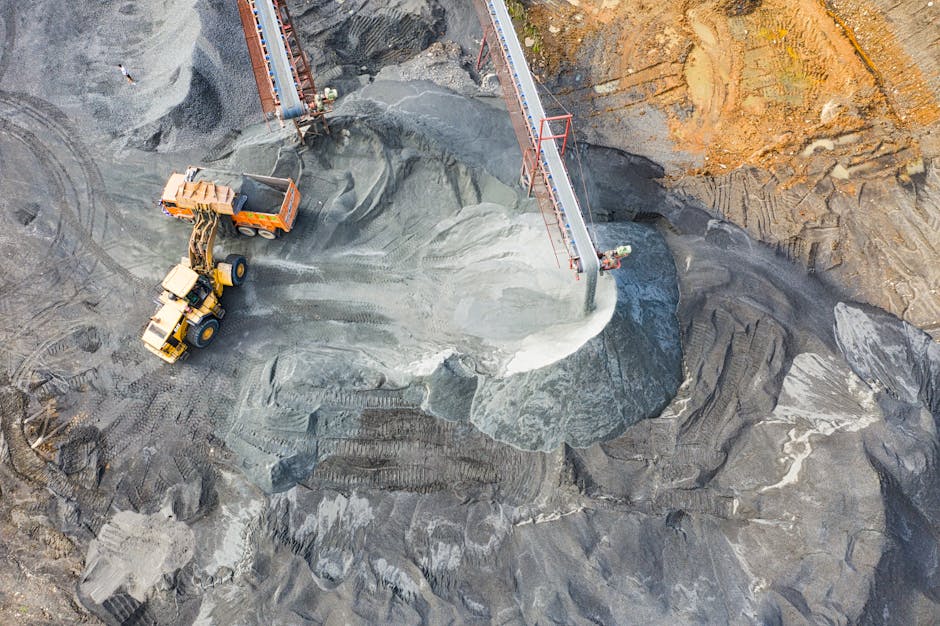
Photo: Tom Fisk
The minerals inside a wind turbine or an electric vehicle battery have to come from somewhere. For roughly half the world's supply of heavy rare earth elements, that somewhere is a stretch of northern Myanmar along the Chinese border. Right now, that stretch is a war zone, and the army that lost control of it a year ago is trying to take it back.
Myanmar's military launched a series of new offensives this month targeting border regions in Kachin, Chin, and Karen states, according to Reuters reporting from May 25. The push comes one month after new military chief Ye Win Oo formally took command, and about a month after former junta leader Min Aung Hlaing, now serving as president, called on rebel groups to enter peace talks within 100 days. Most ethnic armies rejected the offer immediately.
What the military wants
The Kachin State mining belt, which the Kachin Independence Army seized from military control in October 2024, produces heavy rare earths that are essential components in the motors and generators powering the global clean energy transition. Whoever controls that territory controls a meaningful share of global supply. The military wants it back.
Beyond the mining belt, the offensives cover two other strategic targets: a highway corridor between Mandalay and Myitkyina in Kachin State (a key internal artery), and the Myawaddy-Kawkareik highway near Thailand, one of Myanmar's most important cross-border trade routes. A third front has opened in Chin State on the Indian border, where the military has used heavy aerial bombing to retake towns from resistance fighters.
The Kachin Independence Army says it is prepared. "We will welcome them with the barrels of our guns," said spokesperson Naw Bu.
Why this matters beyond Myanmar
The rare earth angle is the part with global reach. Heavy rare earths are not the same as the lighter rare earths most people have heard about. They are harder to find, harder to process, and critical for high-performance permanent magnets used in offshore wind turbines and EV drivetrains. A sustained disruption to Myanmar's output would land directly on manufacturers, supply chains, and ultimately the cost of clean energy equipment.
The conflict has also been fueled, in part, by Iranian jet fuel. Reuters previously reported that illicit Iranian deliveries powered a bombing campaign that struck more than 1,000 civilian locations over 15 months. The war machine does not appear to have been meaningfully slowed by any fuel shortages connected to the broader conflict in Iran, though Myanmar's civilian population has been hit hard by global energy price pressures.
The current offensives reflect something the military understands clearly: losing control of border crossings and trade gates is not just a military embarrassment, it is a financial one. These routes generate revenue, customs income, and leverage over both China and Thailand. Analyst Sai Kyi Zin Soe told Reuters the military is "trying desperately to recapture towns that host border trade gates."
The deeper pattern here is a junta trying to reverse several years of territorial losses through a concentrated burst of force, while simultaneously offering a peace process that most armed groups have refused. Neither track looks likely to resolve quickly. The 100-day deadline for talks runs to July 31. If the military's offensives stall, or if the Kachin Independence Army holds the mining belt, the rare earth supply question stays live. If the military succeeds, control over one of the world's most strategically sensitive mineral deposits shifts back to a government that much of the world does not recognize.
Either way, the clean energy supply chain runs through a conflict that most people following wind power or EV stocks have probably never thought about.