ONEOK just paid $4.4bn to double down on Permian gas

Photo: Peter Dyllong
ONEOK just committed $4.425 billion to buy natural gas infrastructure buried beneath the West Texas desert, and the bet is simple: the Permian Basin is not done growing, and whoever controls the pipes wins.
The deal, announced August 31, gives ONEOK the gathering and processing assets of Brazos Midstream across the Permian Midland Basin. That means roughly 700 miles of pipeline and the capacity to process 1.2 billion cubic feet of natural gas per day, spread across seven counties in West Texas. ONEOK is paying entirely in cash, financed through a $9 billion minority equity investment from Apollo, the private equity giant. ONEOK plans to use $5 billion of that Apollo money to pay down existing debt.
Why this matters beyond the spreadsheet
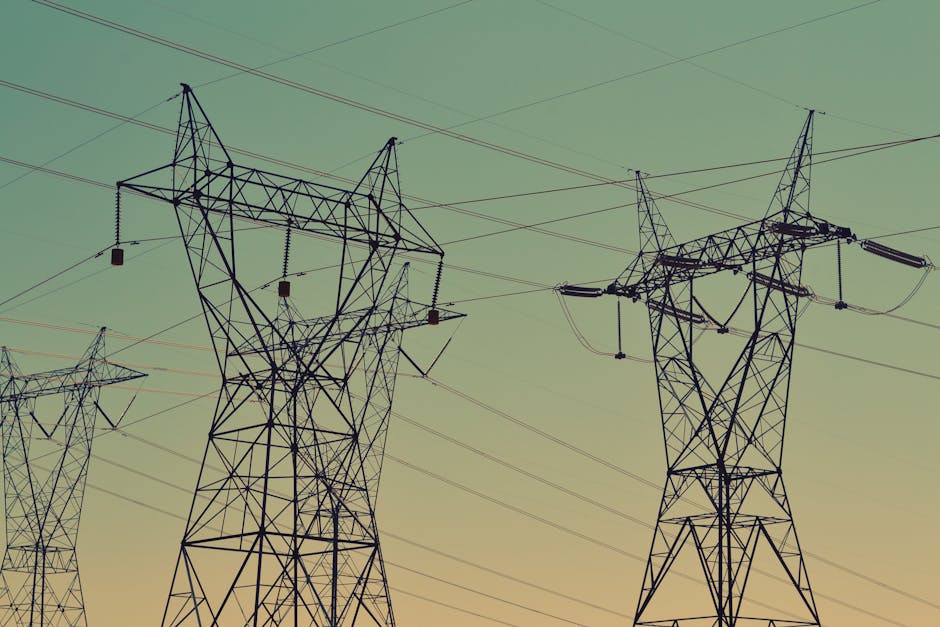
Natural gas infrastructure is the unsexy backbone of American energy. Before gas from a well reaches a power plant, a factory, or an export terminal bound for Europe or Asia, it has to be gathered, compressed, processed, and moved. The companies that own those systems collect fees on every unit that flows through them, regardless of where prices go on any given day. ONEOK's existing business already works this way. This deal makes it significantly larger and more entrenched in one of the most productive drilling regions on earth.
The Permian Midland Basin currently has 14 active drilling rigs operating on the land tied to these assets. Those rigs represent committed, contracted production. The contracts underpinning the infrastructure average more than 12 years of remaining term and cover about 600,000 dedicated acres. In plain terms: producers in the area are locked in for a long time, and their gas has to move through these pipes.
Once ONEOK finishes building a new processing plant called Cassidy II, expected in the third quarter of 2027, the combined capacity in the Midland Basin will reach nearly 2.3 billion cubic feet per day. That is more than double what ONEOK currently handles there.
What it costs and who pays for it
The $9 billion equity investment from Apollo is structured as a minority, nonvoting stake in a new holding company. Apollo gets a 7% annual return, capped for the first nine years. For ONEOK, the appeal is that it raises a large sum without diluting existing shareholders. No new common stock is being issued, which is the detail ONEOK's investor relations team will be most eager to emphasize.
The company expects the deal to be profitable immediately in terms of earnings and cash generation per share. Valued against projected 2028 operating profit before interest and other costs, the price works out to roughly six times that figure, which suggests ONEOK thinks the assets will be generating serious cash by then.
The bigger picture here is structural. The United States is producing more natural gas than at any point in its history, much of it from the Permian. Demand for that gas is also rising, driven by liquefied natural gas exports to Europe (which began shifting away from Russian supply after 2022) and by a wave of new power plant construction tied to data centers and AI infrastructure. The companies that own the physical infrastructure sitting between the wellhead and those end markets are in a strong position to benefit from all of it.
ONEOK is not making a speculative bet on commodity prices. It is making a structural bet that volumes will grow and that it will be paid to move them. With 14 drilling rigs already active on the acreage and contracts stretching past 2036, the near-term logic is hard to argue with. The longer-term question, as always in fossil fuel infrastructure, is whether the trajectory of demand holds.
For now, ONEOK is betting $4.4 billion that it will.